

10 Best Practices for Analytics Success in Businesses

Want to know more? — Subscribe
Implementing best practices for analytics success has become imperative in an age where data is generated at unprecedented rates. The journey to mastering…
Implementing best practices for analytics success has become imperative in an age where data is generated at unprecedented rates. The journey to mastering analytics, however, is far from straightforward. This article explores ten data analytics best practices and case studies from well-known companies that leveraged the power of analytics for their business.
At Softermii, we have over nine years of successful software development experience. Thus, we present you with a roadmap to extract maximum value from analytics within the business realm.
Want a skimmable version?
Get a quick overview of our article with AI to access all the important information quickly.
Generate AI SummaryHide summary
Want a skimmable version?
Get a quick overview of our article with AI to access all the important information quickly.
Generate AI SummaryHide summaryTen proven practices for turning raw business data into insights that drive real decisions — backed by company case studies.
10 Best Practices for Analytics Success
Businesses use analytics to drive insights, make informed decisions, and chart the path to success. But the journey to achieving analytics success is neither short nor straightforward. We present you with ten data analysis best practices for organizations to consider to ensure they get the most out of their analytics efforts.
Integrate Data into Analytics
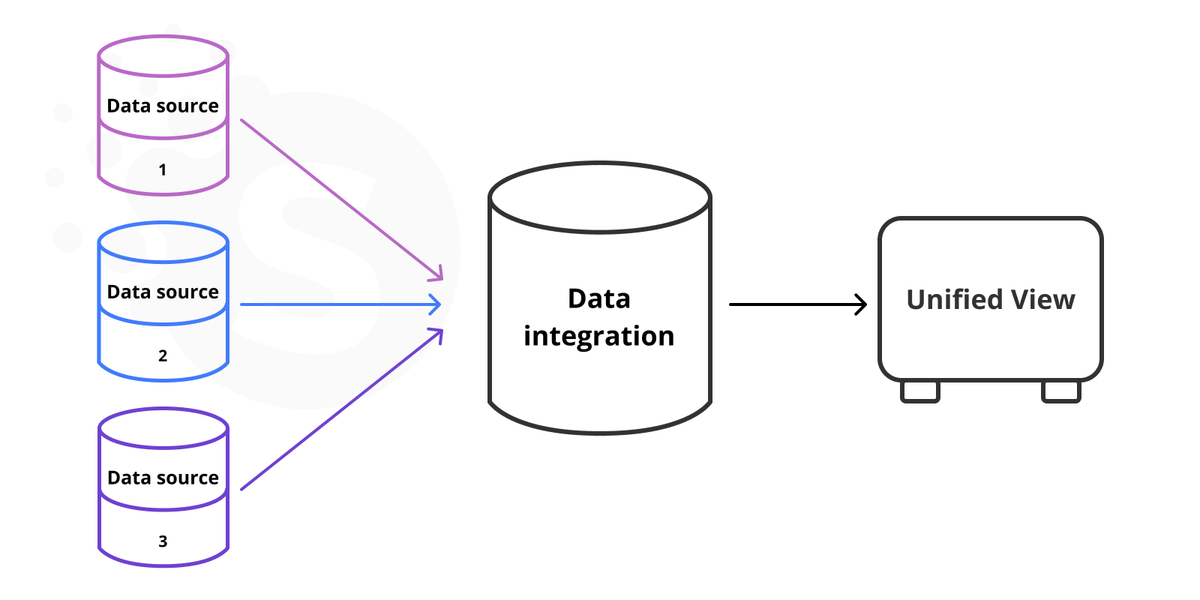
At the heart of any analytics endeavor lies data. But as organizations become more complex, so does their data landscape. Data integration means bringing together data from different sources to create a unified view. It is pivotal because disparate data sources can often provide complementary information. Data integration offers comprehensive insights that aren't apparent if viewing each source separately. For example, merging customer data from an e-commerce site with social media activity can provide an insight into buying behaviors and trends. Data integration ensures that the sum is greater than its individual parts.
Source Your Data Strategically
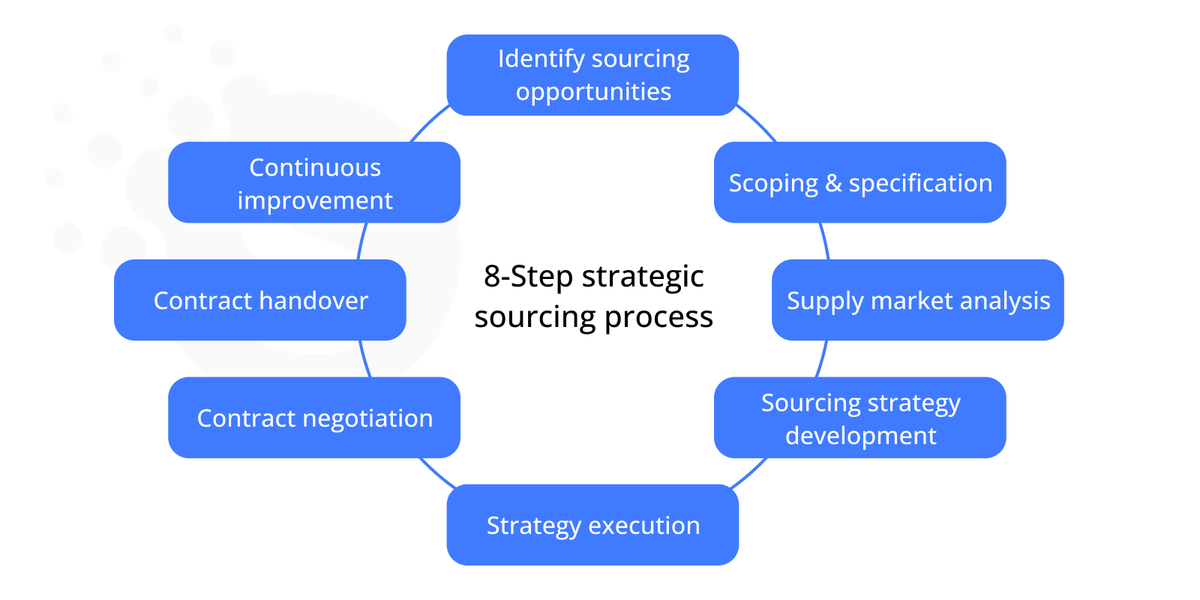
Relevant, timely, and high-quality data underpin successful analytics initiatives. Strategic data sourcing involves identifying and prioritizing data sources based on their potential to deliver actionable insights. It also allows you to ensure that your analytics efforts are based on valuable information that can drive decision-making.
Put Your Effort into Analytics Products
Analytics is also about packaging the found insights in a digestible and actionable manner. It should be relevant for end-users, whether they be executives, managers, or frontline staff. Developing an effective analytics product requires dedication, effort, and a keen understanding of the user's needs. Organizations should think about time and resource investment into refining these products. This way, they can ensure that the insights generated by analytics translate into tangible action.
Project Calculator
Get the detailed project estatimation – choose the details of your product and calculate the quote of the development
Calculate nowBuild a Skilled Analytics Team
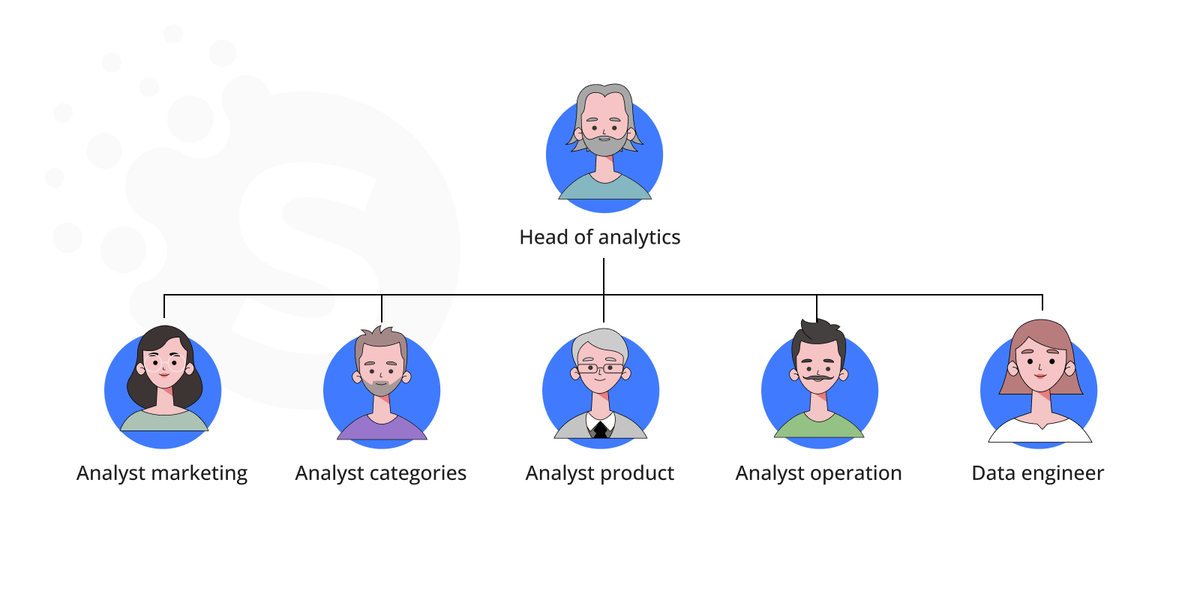
While tools and technology are indispensable, the human element drives analytics success. A skilled analytics team can look at a ton of data, spot patterns, and get meaningful insights. They can also ask the right questions, challenge assumptions, and ensure the analytics fits the organization's goals. Invest in hiring, training, and retaining individuals with a blend of technical and business acumen. This skill combination ensures that data becomes a tool for informed decision-making.
Connect Stakeholder Objectives to Inquiries and KPIs
Every department or role within an organization has unique objectives and goals. A marketing team may be focused on lead generation, while a finance team might focus on cost savings. For analytics to be effective, it's crucial to understand these varied objectives and tailor inquiries and Key Performance Indicators (KPIs). By aligning analytics efforts with stakeholder goals, organizations can ensure that the insights generated are relevant and actionable and drive results that matter to those stakeholders.
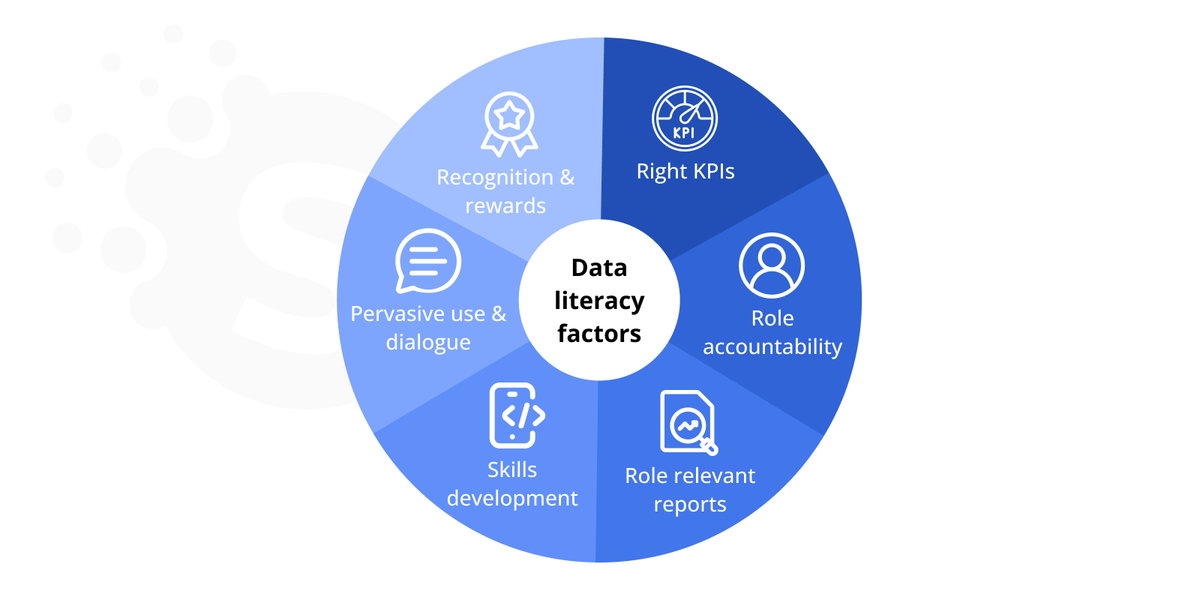
Use KPIs to Increase Data Literacy
Data literacy refers to an individual's ability to understand, interpret, and use data meaningfully. With clear KPIs, organizations can provide direction and context, guiding employees in making data-informed decisions. When employees understand the numbers' meaning and the message behind them, they can make smarter choices that match the company's big goals.
Use Compliance as a Core Component of Analytics
Compliance has become linked with analytics with an increasing emphasis on data security and privacy. It's not only about following a rule or a law but also about being trustworthy. Companies need to know and stick to rules like GDPR or CCPA, which mandate strict data collection, processing, and storage guidelines. Following these rules in analytics allows them to get useful insights without breaking any ethical or legal lines.
Improve Analytics Models Over Time
As businesses evolve, so too should their analytics models. By refining and improving these models, organizations can ensure they remain relevant, accurate, and reflective of the current business landscape. Remember to revisit and tweak models in response to changing data sources, business needs, or external factors. This way, you could ensure optimal performance and outcome from analytics endeavors.
$9.18 billion
The global product analytics market grew from $9.18 billion in 2022 to $11.16 billion in 2023 at a CAGR of 21.5%
Support Governance with Analytics
In analytics, governance refers to the rules and practices for acquiring, managing, and using data. Effective governance ensures data integrity, compliance, and responsible data usage. It provides a framework for deciding who can access data, how it's used, and how its quality is maintained. Analytics supporting governance ensures a reliable and trustworthy foundation for deriving insights.
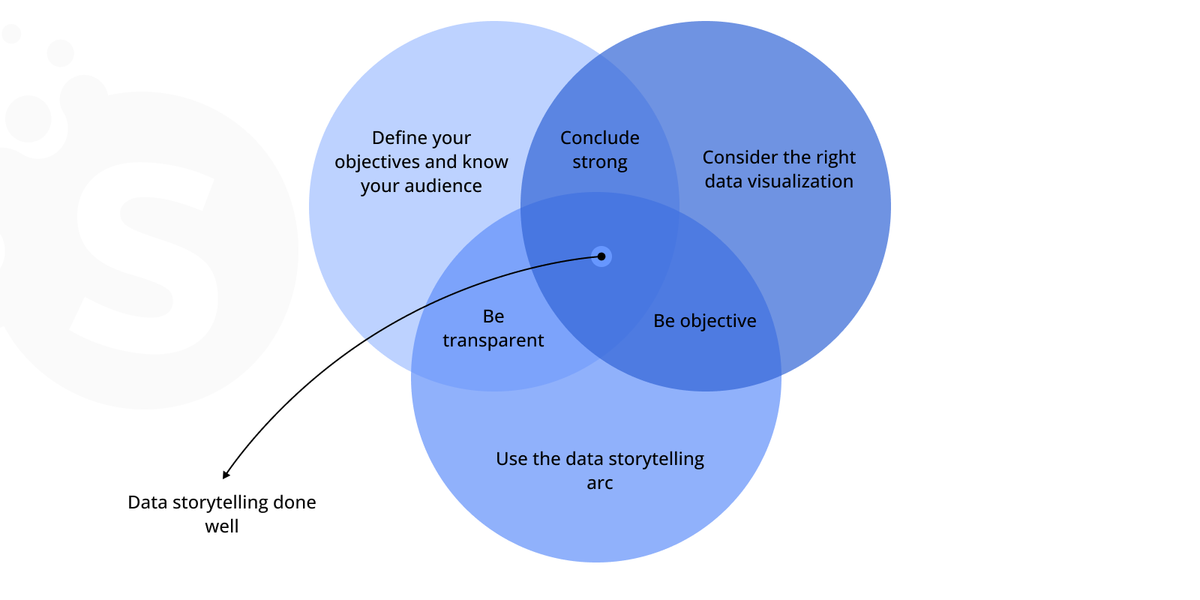
Benefit from Data Storytelling for Sharing Your Insights
Raw data and complex analytics models can be challenging to decipher for those not steeped in data. That's where data storytelling comes into play. It helps experts convey insights in an engaging, clear, and impactful way. Analysts can use storytelling techniques to make their findings accessible and memorable, driving home the message and ensuring that insights lead to action.
Case Studies and Success Stories
Nowadays, analytical success isn't a theoretical concept. It has become practiced and proven in the real world. Here are some businesses that have harnessed the power of data analysis best practices:
Airbnb's Dynamic Pricing Model
Airbnb, the online marketplace for lodging, has introduced a dynamic pricing model called "Smart Pricing." The model considers factors such as location, demand, time of year, and even local events. It helps hosts optimize their rental rates and ensures competitiveness and market relevance. For guests, it means fair prices, and for hosts, it means optimized occupancy rates.
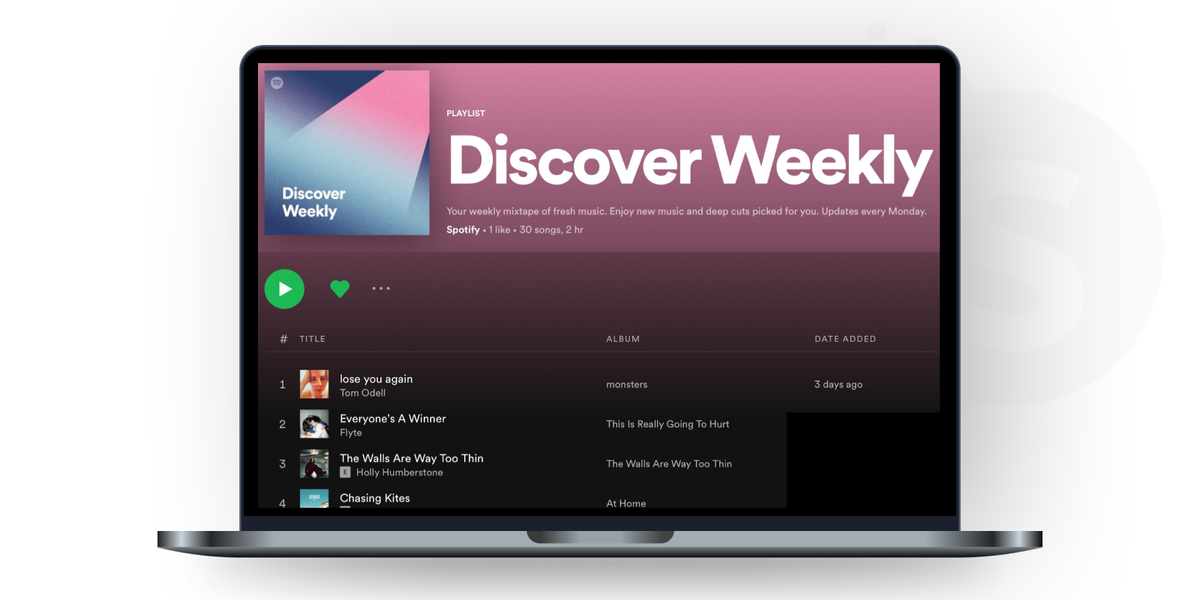
Spotify's Discover Weekly
Spotify, a leading music streaming service, offers a feature called "Discover Weekly", a personalized playlist for users. Continuously refined analytics models assess listening habits, genre preferences, and user behavior. Spotify then creates bespoke playlists that introduce users to new artists and tracks. This personalized touch enhances user engagement and boosts platform loyalty.
Zara's Fast Fashion Strategy
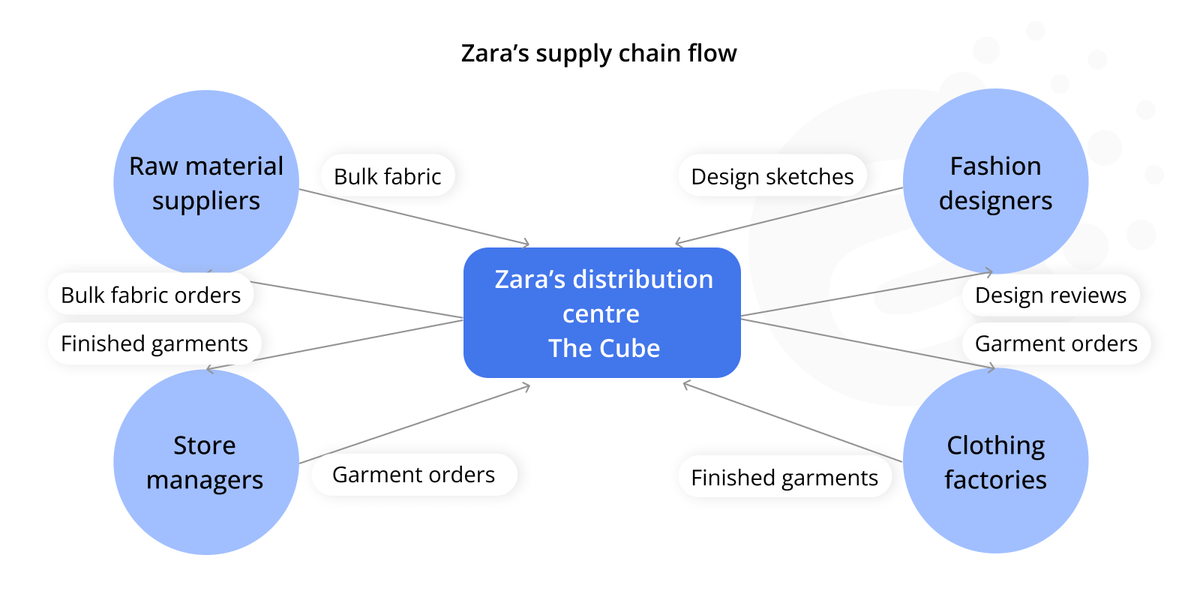
Zara, the fast-fashion powerhouse, has a unique approach to fashion retail. Rather than relying solely on seasonal trends, Zara turns to real-world data. The company analyzes sales data and customer feedback in real time. It allows Zara to identify trending styles and fast-track them to production. This rapid-response mechanism ensures that Zara's shelves are always stocked with the latest, in-demand fashion items, leading to increased sales and customer loyalty.
GE's Predictive Maintenance
General Electric (GE) has ventured deep into the Industrial Internet of Things. One application is their predictive maintenance analytics for machinery and equipment. With stringent governance protocols ensuring data accuracy and integrity, GE's analytics models can predict when a piece of machinery is likely to fail. This foresight leads to timely maintenance, reduced downtimes, and extended equipment life.
UPS and Route Optimization
UPS, one of the largest delivery companies, uses best practices in data analytics to optimize delivery routes. Their system, known as ORION (On-Road Integrated Optimization and Navigation), processes vast amounts of data to determine the most efficient routes for drivers. It considers factors like traffic, delivery time windows, and a package type. This data-driven approach saves UPS millions of miles each year, translating to significant fuel savings and reduced carbon emissions.
Softermii as Your Partner
In the world of analytics, having the right partner can make all the difference between navigating best practices for data analysis with ease or grappling with complexities.
For more than nine years, Softermii has provided all sorts of digital solutions. We cover everything from application development to testing and UI/UX design. With lots of different projects, we always focus on their quality. Our skilled team brings a lot of knowledge and passion to every project.
Analytics success isn't just about the technical aspects. Having a partner who understands your vision, aligns with your objectives, and knows how to make data useful is also important. With the Softermii team by your side, you're not just investing in services; you're investing in a partnership built on trust, expertise, and a shared vision for success.
Conclusion
Mastering analytics is a pivotal undertaking for businesses seeking long-term success. As we've explored the ten data analytics best practices, it becomes evident that the journey is not just about data analysis but about transforming data into actionable strategies. Real-world case studies from Airbnb, Spotify, Zara, GE, and UPS underscore the practical benefits of analytics. These companies leverage data for dynamic pricing, personalized experiences, real-time response, predictive maintenance, and efficient operations.
Ready to embark on your analytics journey? With a track record of delivering quality digital solutions, Softermii provides expertise, alignment with your vision, and a commitment to turning data into success. Contact our team today to take the next step toward leveraging analytics for your business growth.
Drive insights, make informed decisions, and chart the path to success with analytics best practices
Frequently Asked Questions
How to choose the correct analytics tools for business?
Here's what you can do to choose the right analytics tools to harness the power of your data:
How can I measure the success of my analytics initiatives?
You can measure it through a combination of quantitative and qualitative methods:
Can smaller businesses benefit from best practices for data analysis?
Absolutely! The scale might differ, but the core principles of analytics success apply to businesses of all sizes. Small businesses can leverage analytics to better understand their customers and optimize operations. Analytics practices also allow them to make informed decisions. By following best practices, even small-scale analytics initiatives can yield significant returns on investment.
How can businesses identify the right analytics partner?
Choosing the right analytics partner involves:
Engaging in discussions, request case studies, or even pilot projects is beneficial. It will allow you to ascertain a potential partner's capabilities and cultural fit.
How long does it take to see results from implementing best practices in data analytics?
The timeline to witness tangible results from analytics varies based on the organization's size, the state of its current data infrastructure, and the specific goal set. Some businesses may observe immediate insights and benefits. Others might need a more extended period, especially if there's a need to overhaul existing systems or gather more data.
How about to rate this article?
34 ratings • Avg 4.7 / 5 · Thanks for rating!
Written by:

CEO & Co-Founder
Slava Vaniukov is the CEO and Co-Founder of Softermii, with more than 10 years on the front lines of software development. He has spent that decade helping founders and enterprises turn ambitious ideas into products that ship — and that perform. Apps built by his teams have been featured on multiple “Top 10 Best App…