

Want to know more? — Subscribe
Companies no longer rely on gut instinct; instead, they are increasingly turning to data-driven decision-making for competitive insights from their information…
Companies no longer rely on gut instinct; instead, they are increasingly turning to data-driven decision-making for competitive insights from their information assets. No wonder that data analytics cost has become such an important consideration in recent years.
Compiling and processing large datasets requires a large investment. Organizations must weigh the benefits against the significant financial and technical resources required to build and maintain the necessary infrastructure.
Softermii explores the key components driving analytics costs, such as expenses for setup, tools, implementation, and integration. We'll also discuss how companies can measure their ROI for their analytics initiatives.
Want a skimmable version?
Get a quick overview of our article with AI to access all the important information quickly.
Generate AI SummaryHide summary
Want a skimmable version?
Get a quick overview of our article with AI to access all the important information quickly.
Generate AI SummaryHide summaryWhat data analytics costs — the analytics types, why to invest, and the key cost factors from setup to people.
Understanding the Basics
Data analytics is a vital tool for modern businesses. Yet, before implementing it, they should understand what it entails and the reasons for investing in it. This foundational knowledge helps us comprehend its role in modern business strategies.
What is Data Analytics?
Data analytics allows professionals to extract meaningful insights from data. It encompasses techniques from business intelligence and reporting to statistical and predictive analyses.
Machine learning can automate pattern recognition and generate predictions. Thus, data analytics can be used for customer behavior analysis, improving product development, and other business purposes. Let's take a look at key types of analytics in various industries:
- Descriptive Analytics looks at past data to understand what happened and why. It's often used for compiling performance reports and identifying historical trends.
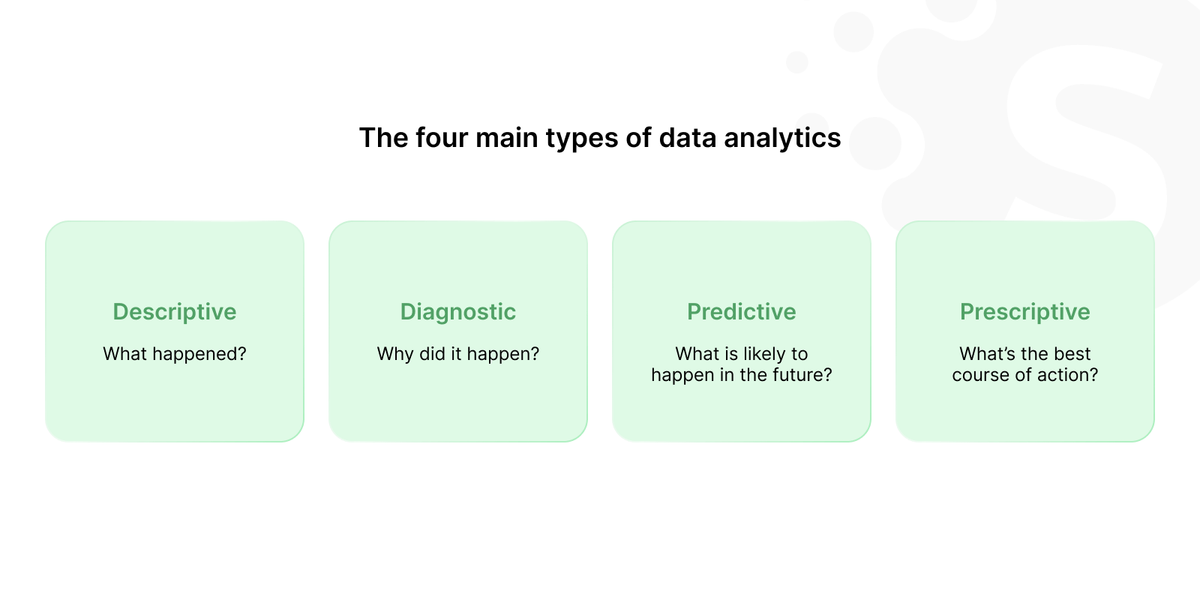
- Diagnostic Analytics aims to understand the causes of events and behaviors. It's instrumental in root cause analysis.
- Predictive Analytics with statistical models forecasts future events and behaviors. It's popular for risk assessment and marketing campaigns.
- Prescriptive Analytics suggests courses of action and the likely outcome of each decision. This type is popular in optimization and simulation.
Why Invest in Data Analytics?
Analytics elevates traditional business intelligence as it provides deeper and more actionable insights. Data analysts help companies understand their environment, performance, and opportunities.
Data analytics replaces gut feelings and hypotheses with data-driven evidence. Integrating data science ensures a more nuanced understanding of the data. This aspect results in more accurate, reliable, and strategic decisions. It is particularly crucial in high-stakes environments where each choice has significant implications.
For instance, data visualization in healthcare facilitates a better understanding of medical data. It allows providers to interpret complex patterns, trends, and patient information.
Project Calculator
Get the detailed project estatimation – choose the details of your product and calculate the quote of the development
Calculate nowCost Factors in Data Analytics
Companies should understand the data analytics cost factors involved, before implementing it. They can be categorized into initial setup, operational, and human resource expenses. A well-planned data analytics budget should consider all these aspects. This way, you can ensure a better return on investment in the long term.
Initial Setup Costs
The foundation of any data analytics initiative is the hardware and software infrastructure. It usually includes servers, storage solutions, and analytics software platforms.
The choice between on-premise solutions and cloud-based services can significantly impact the data analytics cost. On-premise solutions may require a higher initial investment for hardware. Cloud services often operate on a subscription model, spreading expenses over time. Organizations need to carefully allocate their initial budget to set up the necessary infrastructure without overspending unnecessary money.
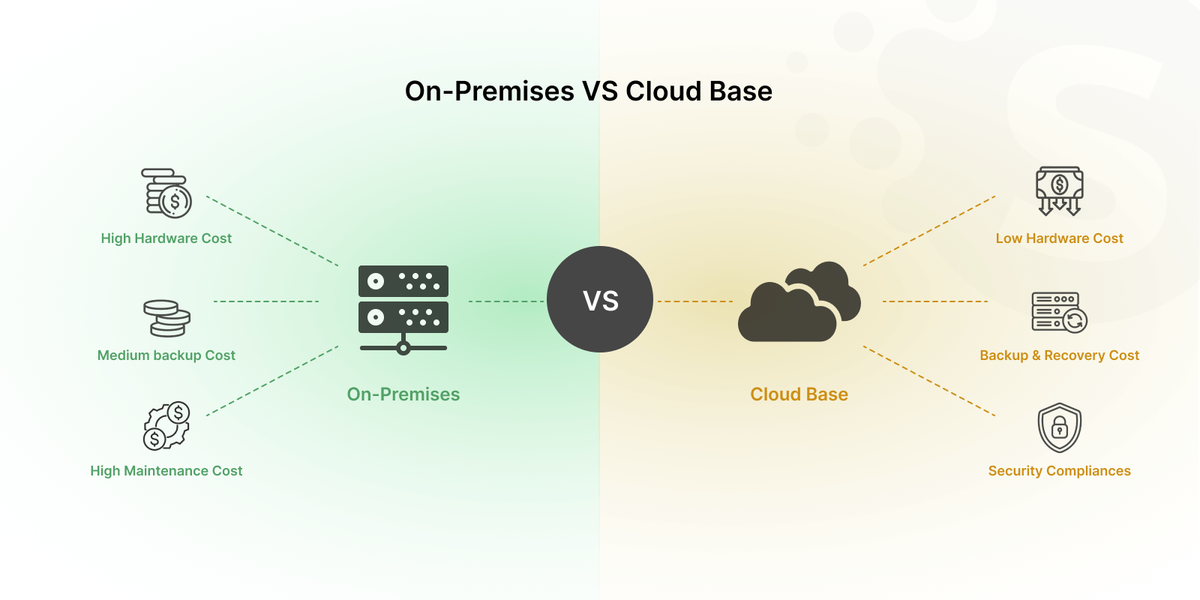
Consider a scenario where a company opted for on-premise solutions, leading to higher initial hardware investments. This choice emphasizes the need for careful consideration in the decision-making process.
Organizations can collect initial datasets from internal sources or external vendors. Integrating them into the analytics framework is also a complex and potentially costly process. This stage may require specialized tools and services to ensure data compatibility and quality.
Operational Expenses
After the initial setup, the data analytics costs shift towards expanding and managing the collected data. Continuous data collection may involve subscription fees for external data sources and storage expansion.
Software updates and maintenance are essential for the efficiency of data analytics tools. These activities include patching security vulnerabilities and updating features. Yet, they can involve licensing fees and service subscriptions. Also, potential downtime during updates may affect operational productivity.
Human Resource Costs
Data scientists and analysts are the ones who can interpret your business data to derive actionable insights. Hiring a data analytics team is a significant cost factor, especially in competitive markets. It is also influenced by the specific skill sets required for the needs of a certain organization.
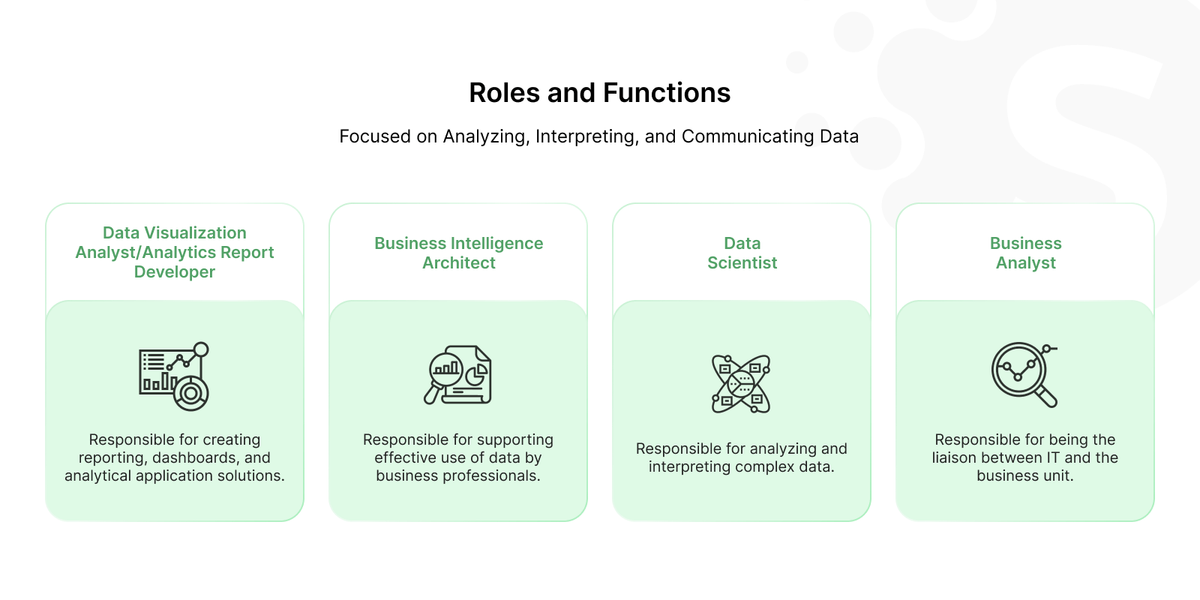
Investing in ongoing training allows companies to keep pace with evolving data technologies. Provide your company with formal training programs and certifications, and consider attending industry conferences. These efforts ensure that the human resources driving the analytics initiatives are well-equipped with the latest knowledge and skills.
Choosing the Right Tools for Data Analytics
Data analytics tools should align with the organization's specific needs and objectives. Let's explore the key considerations in choosing data analytics software and hardware.
Data Analytics Software Options
Firstly, the choice of software determines the types of data analysis possible. It also influences factors like user accessibility, cost, and scalability.
Open-Source vs Proprietary Solutions
Open-source solutions like R and Python offer flexibility and cost-effectiveness with strong community support. Yet, they may demand more in-house expertise for development and maintenance.
Proprietary solutions, like Power BI by Microsoft, provide comprehensive support and specialized features. Their user-friendly design ensures a smooth integration process. However, these solutions can result in higher data analytics costs.
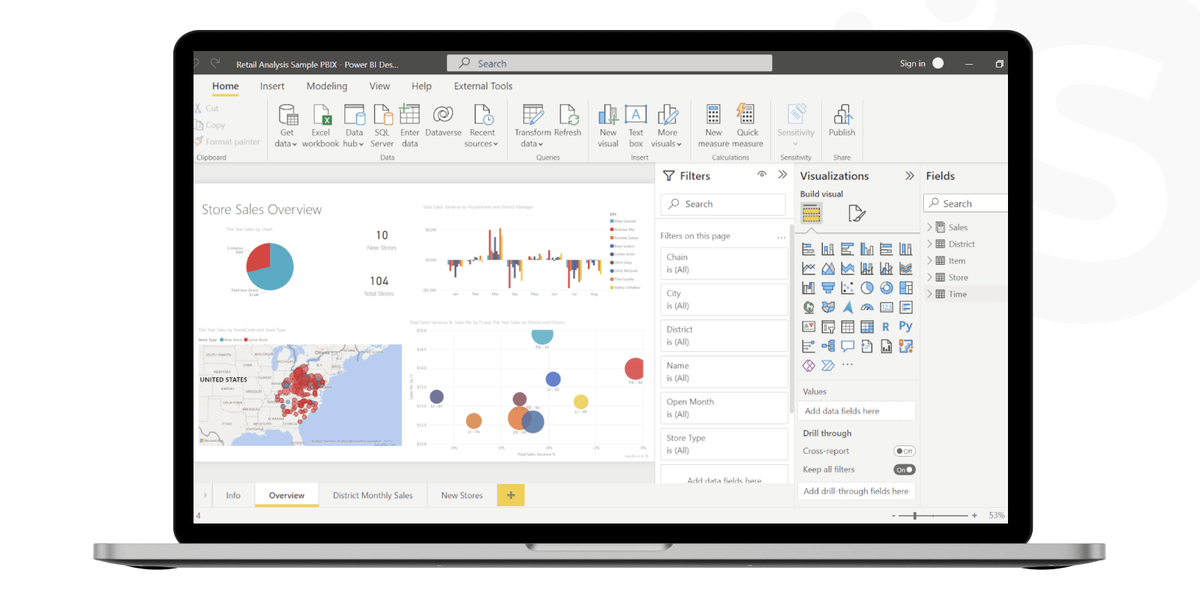
Software-as-a-Service Platforms
Google Analytics or Tableau Online solutions can be accessible with an internet connection. These platforms offer tools for data processing, analysis, and data visualization. One of their huge advantages is the provider regularly updates them.
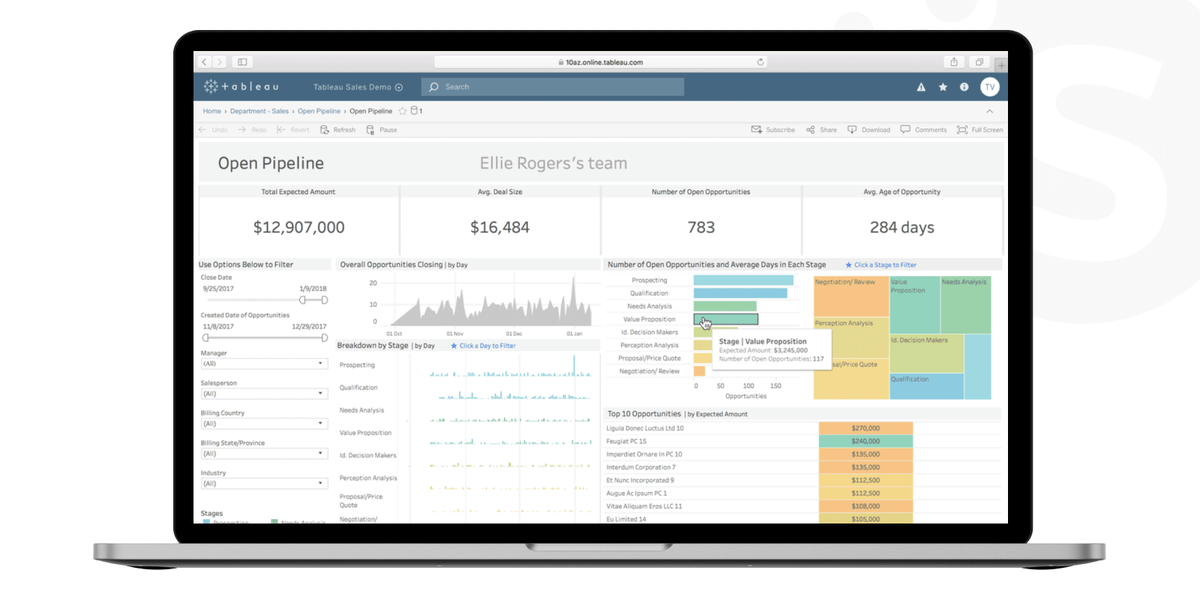
SaaS is an excellent choice for companies seeking to reduce initial setup and hardware investments. Ensure a stable internet connection and factor in ongoing subscription costs.
Hardware Considerations
The underlying hardware infrastructure is equally vital for successful data analytics. This setup requires scalability for future growth and technological advancements.
For instance, real-time big data analytics requires robust computing resources with high-speed storage. Thus, businesses should ensure that the chosen hardware aligns with the demands of their analytics tasks.
On-Premises vs Cloud Storage Solutions
Several factors influence the decision between on-premise and cloud services for data analytics. Organizations should assess their data security needs, volume, and growth projections.
On-premise solutions offer more control over data security. That's why many organizations with sensitive data opt for them. Meanwhile, cloud solutions offer scalability and ease of access.
Necessary Computing Power and Storage
The required computing power and storage capacity depend on the size and complexity of the data analytics tasks. Large datasets and complex models require powerful computing resources and greater storage capacity.
Businesses should consider data volume, processing speed, and future scalability. This way, they can determine the necessary computing power and storage requirements.
Implementation and Integration of Data Analytics
Incorporating data analytics should complement and enhance existing business processes. This section explores integration aspects and addresses the challenges that may arise.
Integrating Data Analytics into Business Processes
Companies should adapt current workflows to accommodate data collection and interpretation. This could mean automating certain processes, such as using analytics to guide operational decisions. Or businesses may have to re-engineer workflows to make the most of data insights.
Effective integration also demands cross-departmental collaboration. Data analytics should not be siloed within a specific department. It must foster an environment where information is shared across various departments.
This approach ensures the insights gained from data analytics are utilized comprehensively. Thus, it leads to more informed and cohesive decision-making across the organization.
Overcoming Implementation Challenges
Implementing data analytics is often accompanied by several challenges. They must be meticulously managed to ensure successful integration.
As businesses rely on analytics, ensuring data privacy becomes one of the most critical concerns. Organizations must implement robust security measures and adhere to compliance standards to secure their data assets. They should also foster a culture of data privacy within the organization.
Another challenge in the implementation of analytics is the accuracy of the data. The data used for analytics must be dependable and lead to actionable insights. Companies must invest in stringent quality governance policies and management practices, which include:
- regular data cleaning;
- validation;
- verification processes.
$302.01 billion
The data analytics market may reach $302.01 billion in 2030 , growing at a CAGR of 26.7% from 2023 to 2030.
Measuring ROI of Data Analytics
Assessing the Return on Investment for data analytics is vital for understanding its value. This assessment provides critical insights for future investments and resource allocation.
Determining the Return on Investment
The measurement of ROI encompasses tangible and intangible outcomes of the analytics initiatives.
Quantitative benefits
These are the measurable impacts and can be translated into financial terms. Key aspects include:
- Revenue Growth. Analytics can identify new market opportunities and optimize pricing strategies. It also enhances customer targeting, leading to increased sales and revenue.
- Cost Reduction. Analytics streamlines processes, improves operational efficiency, and reduces waste.
- Productivity Enhancements. Analytics can optimize resource allocation and workflow efficiencies, leading to higher productivity.
- Risk Mitigation. By predicting potential issues and identifying risk factors, analytics saves costs related to risk management.
Qualitative benefits
While harder to measure, they are also vital for long-term strategic success:
- Improved Decision-Making. Companies gain deeper insights, leading to more informed choices.
- Customer Satisfaction. A better understanding of user behaviors leads to improved products and services, boosting customer loyalty.
- Market Positioning. Gaining insights into market trends helps better position the company in the market.
Cost-Benefit Analysis
Conducting this analysis is essential for a holistic understanding of the ROI. The first step requires a detailed accounting of all the investments made in the data analytics initiative, including:
- direct costs (hardware and software expenditure);
- ongoing operational costs;
- human resource expenses.
Additionally, it's important to consider the indirect data analytics costs. It could be the time employees spend learning new systems or any downtimes during implementation.
After identifying the budget for data analytics, the next stage is to weigh the accrued benefits. It should be a straightforward comparison of financial gains against expenses. Additionally, businesses must evaluate how qualitative benefits contribute to their strategic objectives.
For example, improving customer satisfaction might lead to long-term customer retention. Although not immediately quantifiable, it has significant future revenue implications.
Finally, assessing the long-term value brought about by data analytics is crucial. Companies should look at the following aspects:
- the sustainability of the benefits achieved;
- the scalability of the analytics solutions;
- their impact on future business growth and innovation.
Conclusion
Understanding these cost factors is vital for any organization leveraging data analytics. Your cost of data analytics should consider technology and operational expenses. The right software and hardware tools should align with the organization's goals and constraints. Remember to balance functionality, cost, scalability, and technical support capabilities.
Options like open-source tools and SaaS platforms make analytics accessible to small businesses. Most companies use data analytics for internal efficiencies and to improve user engagement. Yet, not all the benefits will appear in the short-term as some may materialize over a longer period.
To explore how data analytics can transform your business, we encourage you to reach Softermii. Our experts will ensure that your data analytics cost translates into the best possible outcomes for your firm. Contact us and begin your journey toward data-driven excellence.
Our consultants can help you identify the right tools, platforms and approaches to maximize ROI while keeping costs under control.
Frequently Asked Questions
What are the hidden costs of data analytics?
Organizations should be aware of the following costs:
Companies should also consider time spent integrating analytics into their processes and potential downtime.
How can small businesses afford data analytics?
Many open-source data analytics tools offer robust capabilities. The best part is that they come without the hefty price tag of proprietary software. SaaS solutions usually operate on a subscription model that reduces the need for large upfront expenses. Small businesses should choose applications that provide the best ROI, optimizing their investment.
What is the average time to see ROI from data analytics?
This time depends on the scale of implementation, the complexity of the projects, and the specific use cases. Organizations usually start seeing measurable ROI within 6 to 24 months post-implementation.
Some benefits might take longer to manifest and quantify. This is particularly true for qualitative benefits like improved decision-making or customer satisfaction,
How does data analytics impact customer experience?
It can provide deep insights into user behaviors, preferences, and needs. Thus, businesses can customize their services and interactions to enhance client satisfaction. This personalized approach also increases user loyalty and customer lifetime value. Additionally, analytics helps identify and resolve customer pain points more efficiently.
How can companies reduce the data analytics cost?
Organizations can do it in several ways:
How about to rate this article?
0 ratings • Avg 0 / 5 · Thanks for rating!
Written by:

Co-Founder
Andrii Horiachko is a Co-Founder of Softermii with over 12 years of experience in software development, eight of them spent building and managing Softermii itself. He is responsible for technology-innovation in clients’ projects, making sure every product runs on a modern, carefully chosen tech stack that can sustai…