

How to Reduce Data Warehouse Cloud Costs: 8 Ways

Want to know more? — Subscribe
The migration of data warehousing to the cloud offers flexibility, scalability, and performance advantages. Yet, companies face a challenge to reduce data…
The migration of data warehousing to the cloud offers flexibility, scalability, and performance advantages. Yet, companies face a challenge to reduce data warehouse cloud costs. Softermii, with over nine years of experience, offers insights into the balance between technology and financial prudence.
This article explores eight ways to minimize cloud costs while optimizing resource use. Each strategy helps businesses to manage expenses and foster an efficient data ecosystem. We'll also discover the real-life success stories of cost reduction in data warehousing.
Keep reading to discover actionable insights into cloud cost reduction!
Want a skimmable version?
Get a quick overview of our article with AI to access all the important information quickly.
Generate AI SummaryHide summary
Want a skimmable version?
Get a quick overview of our article with AI to access all the important information quickly.
Generate AI SummaryHide summaryEight ways to reduce data warehouse cloud costs — balancing technology and financial prudence, with real-world examples.
8 Ways To Reduce Data Warehouse Cloud Costs
The benefits of migration to the cloud come with the challenges of cost management. Let's check out eight ways to save money on cloud data warehousing.
Select the Reserved or Slot Options
Reserved instances in cloud computing allow users to reserve computing capacity for an extended period at a lower fee per hour. Cloud data warehousing solutions could also provide slot-based pricing. With this option, you commit to a fixed number of query processing units or slots.
Project Calculator
Get the detailed project estatimation – choose the details of your product and calculate the quote of the development
Calculate nowWith longer-term contracts through a reserved instance or slot, your business can get a discount compared to on-demand pricing models. These models are perfect for predictable workloads. You only pay a fee for what you need without overcommitting or underutilizing resources.
Planning the Capacity
Capacity planning is an integral aspect when you modernize data architecture. It estimates the storage, computing, and memory resources your warehouse will demand. It comprehensively analyzes previous workloads, growth trends, and future projections.
Proper capacity planning ensures you're not overprovisioning, which can lead to unnecessary costs. It also ensures you're not underprovisioning, which can result in performance issues. Regular assessments and adjustments to capacity can further optimize costs.
LimitData Transmission Costs
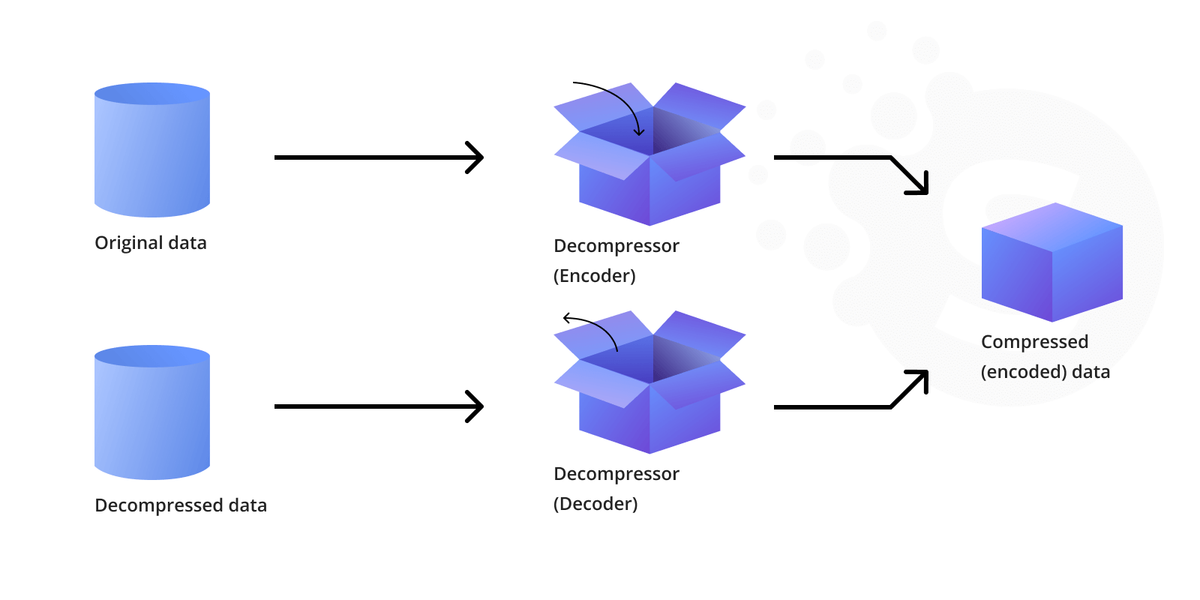
Data transmission, especially in hefty volumes, can increase costs if your cloud provider charges for data egress. Data compression techniques can shrink the volume of data set for transmission.
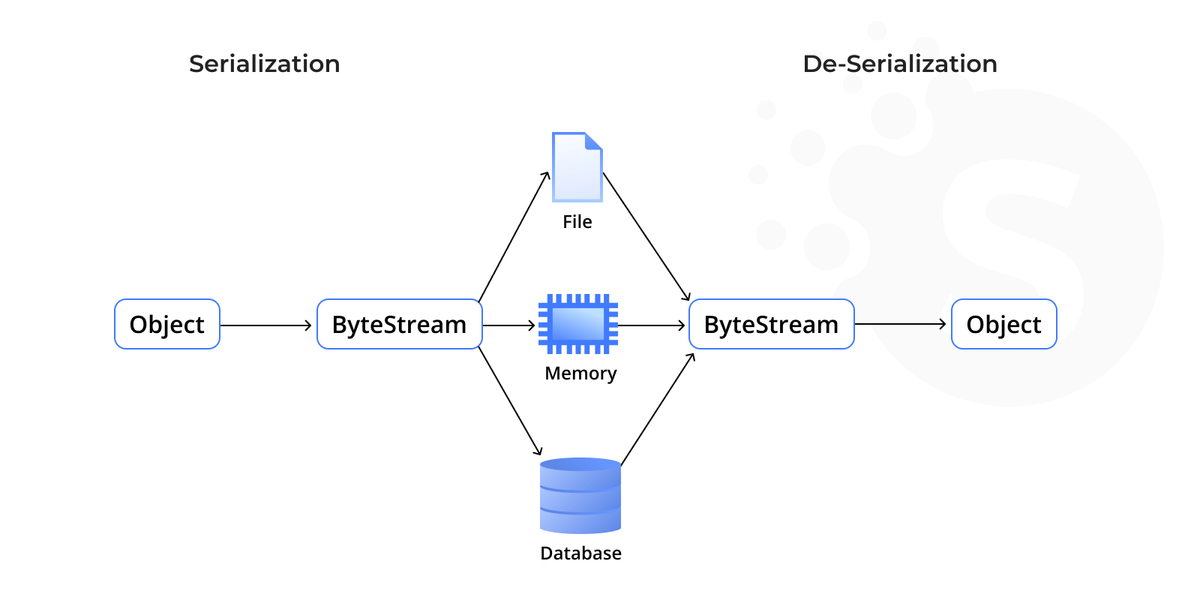
Organizations could also adopt serialization techniques, which entails converting intricate data structures into streamlined byte streams. Serialization streamlines and optimizes the transmission process, ensuring efficient and cost-effective data movement.
Using Cost Monitoring Tools
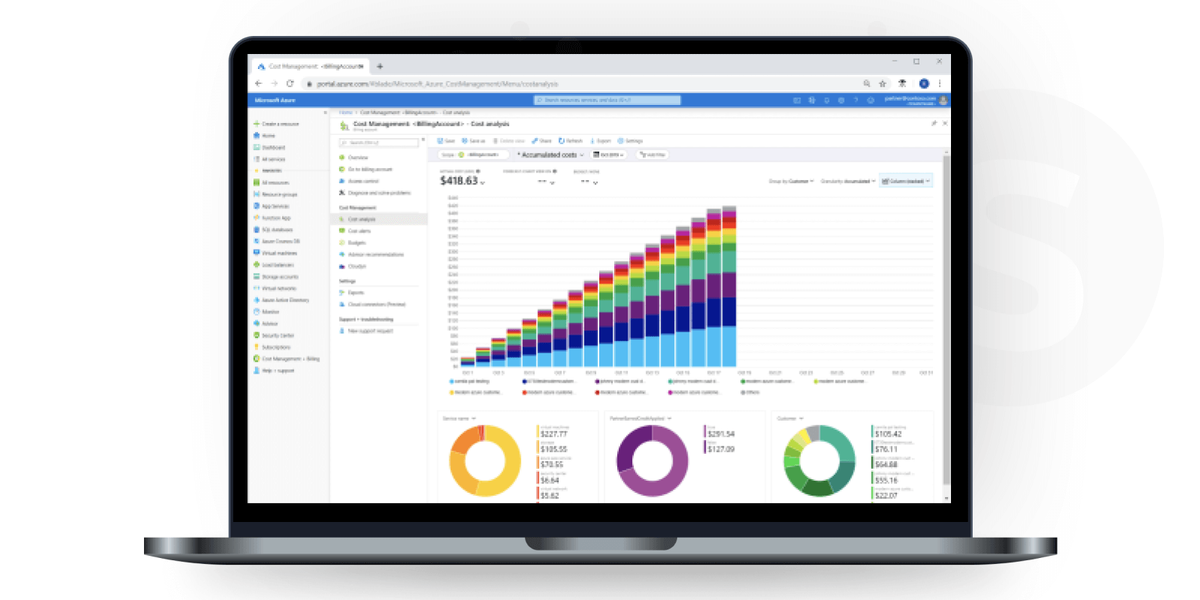
Cost monitoring tools provide insights into spending patterns. With its help, organizations can pinpoint and eliminate wasteful spending. Some tools offer real-time monitoring, advanced data analytics, and actionable recommendations. Integrating such a tool with your cloud data warehouse can pave the way for budget alerts. Businesses can track expenses against budgets and forecast future costs.
Mitigate Cloud Sprawl
An unchecked proliferation of cloud services and instances could cause cloud sprawl. It often leads to the deployment of redundant storage or compute resources. Here's what companies can do to counteract this:
- Establish a cloud governance framework to standardize resource provisioning and decommissioning.
- Monitor the cloud resources usage to ensure they match business requirements.
- Implement policies for regular audits of cloud resources to identify and eliminate waste.
Cache Your Storage Strategically
Effective caching can enhance the performance of a data warehouse and save money simultaneously. Storing often-used data in a cache allows companies to avoid the repeated costs and time of fetching it from primary storage. Cloud vendors offer tools to shift data between high-performance and cost-effective storage based on how much it's used.
$51.18 billion by 2028
The global data warehousing market size is projected to reach $51.18 billion by 2028
Move Your Workloads to Regions Where Computing is Cheaper
Different regions come with varying price tags when it comes to cloud services. It depends on local demand, infrastructure investments, and energy costs. Businesses should analyze these cost differences and match them with data rules and requirements to make informed decisions. For example, they might decide to migrate their data warehouse workloads to a region where a computing bill will be cheaper. Yet, they must also consider other factors like network costs and potential latency.
Limit Who Can Access the Cloud
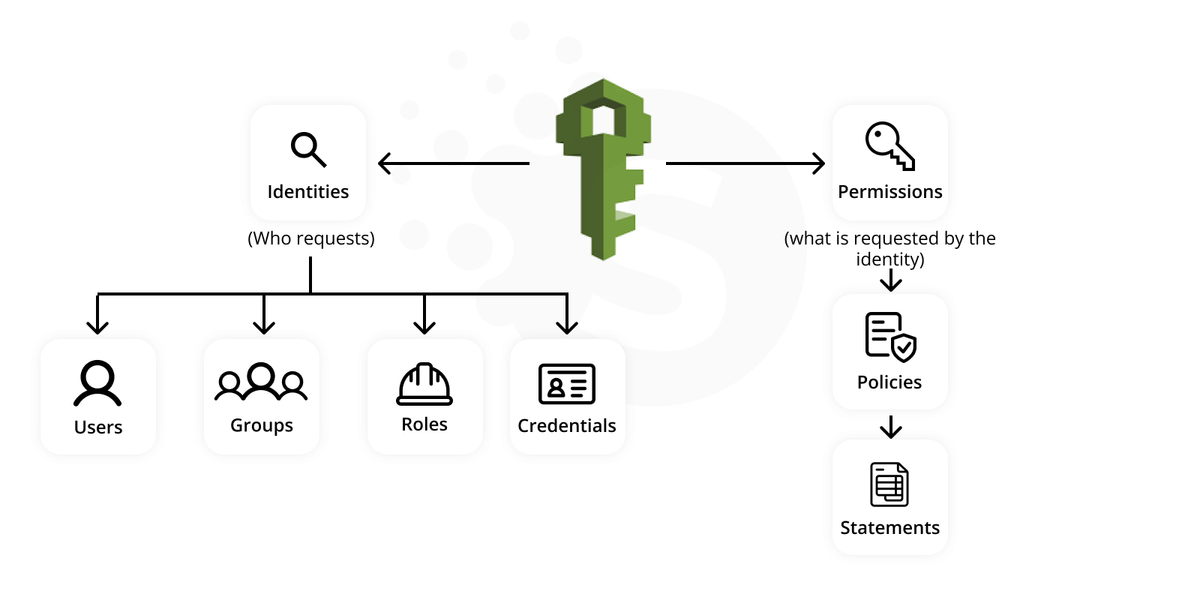
Controlling access to the cloud environment is not only a security measure; it's also a financial one. Unauthorized or unintentional provisioning of resources can result in unplanned expenses. Integrating strict role-based access controls ensures that only specialists with proper authority can create or change cloud resources. Periodic reviews of access permissions nurture a culture of cost-consciousness. Public training employees on the financial consequences of cloud provisioning is also important.
Case Studies and Real-World Examples
Let's examine real-world examples to understand cloud cost optimization strategy better. Many organizations switched to cloud-based data warehouses and saved money. AWS, Google Cloud, and Azure examples show how they made data warehousing cheaper.
Google Cloud: The Home Depot
The Home Depot (THD) on-premises data warehouse struggled with the increasing data demands as analytics became more complicated. Attempts to add capacity to the system caused days of service downtime. THD needed a smart and flexible solution to make the most of online commerce and AI.
The Solution
THD migrated to Google Cloud's BigQuery as their main enterprise data warehouse. BigQuery is known for cost-efficiency, flexible infrastructure, and improved analytics capabilities. Its structured monthly pricing ensures predictable billing. SQL support and Identity and Access Management features contributed to a seamless transition.
The Outcome
The migration led to a significant boost in datacapacity. THD went from a 450-terabyte-old platform to over 15 petabytes in BigQuery. The company could use new data, like website clickstream data, and do in-depth historical analysis. This table shows how the THD performance changed with BigQuery:
| On-premises time | BigQuery time | Reduction % | |
|---|---|---|---|
| Supply chain use case | 8 hours | 5 min | 99% |
| Finance use case | 14 days | 3 days | 78% |
| Customer order use case | 9 hours | 12 min | 98% |
| Store performance dashboard use case | 51 sec | 2 sec | 96% |
| Sales analysis use case | 2 hours | 20 min | 83% |
BigQuery's simplicity and power allowed THD analysts to handle more complex tasks. They can use Datalab with Python Notebooks for analytics and machine learning in BigQuery without moving tons of data. Also, they can monitor and analyze the stores' applicationperformance in real time.
AWS: Dollar Shave Club
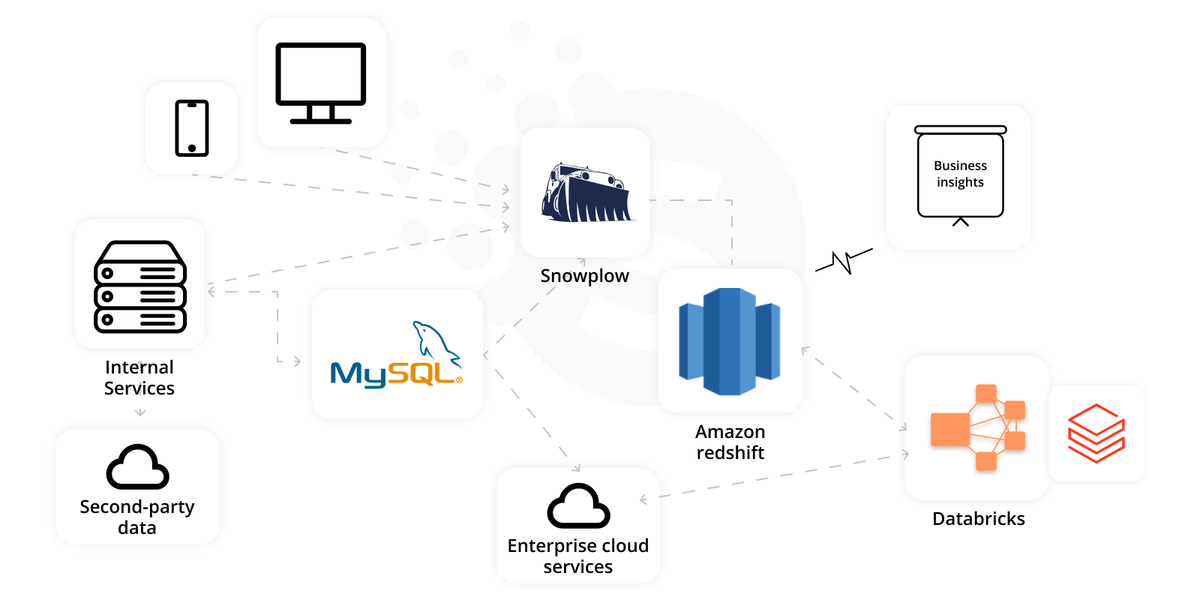
Dollar Shave Club (DSC) grew its customer base, resulting in a growing data volume. They also needed to provide a personalized experience to each customer. They used two Amazon Redshift clusters to analyze data and marketing insights. Yet, as the amount of data increased, they had to find a better way to handle it.
The Solution
DSC switched to an AWS Lake House system by combining Amazon Redshift with an 8-node data lake on Amazon S3. DSC could separate storing and analyzing with this architecture. They could query over 60 terabytes of customer and product data from Amazon S3 daily. The company also used the AWS Glue Data Catalog to blend its data with third-party marketing data. This way, users could access combined data and create reports with BI tools.
The Outcome
- Operational Efficiency. AWS Lake House sped up DSC's data analysis from 8 hours to 5 minutes.
- Cost Savings. By splitting analysis from storage and reducing their cluster from 12 to 8 nodes, DSC saved about $300,000 annually.
- Business Agility. DSC now experiments and adjusts its strategies using data insights from the AWS solution.
- Enhanced Customer Experience. DSC's data insights improved customer experiences through an optimized website and personalized product suggestions.
Azure: Co-op
Co-op's in-house data infrastructure resulted in data silos scattered throughout the organization. It became difficult to extract insights and important decisions were often made without enough facts or relied on outside studies. Accessing real-time data or gaining an integrated view required lots of manual steps.
The Solution
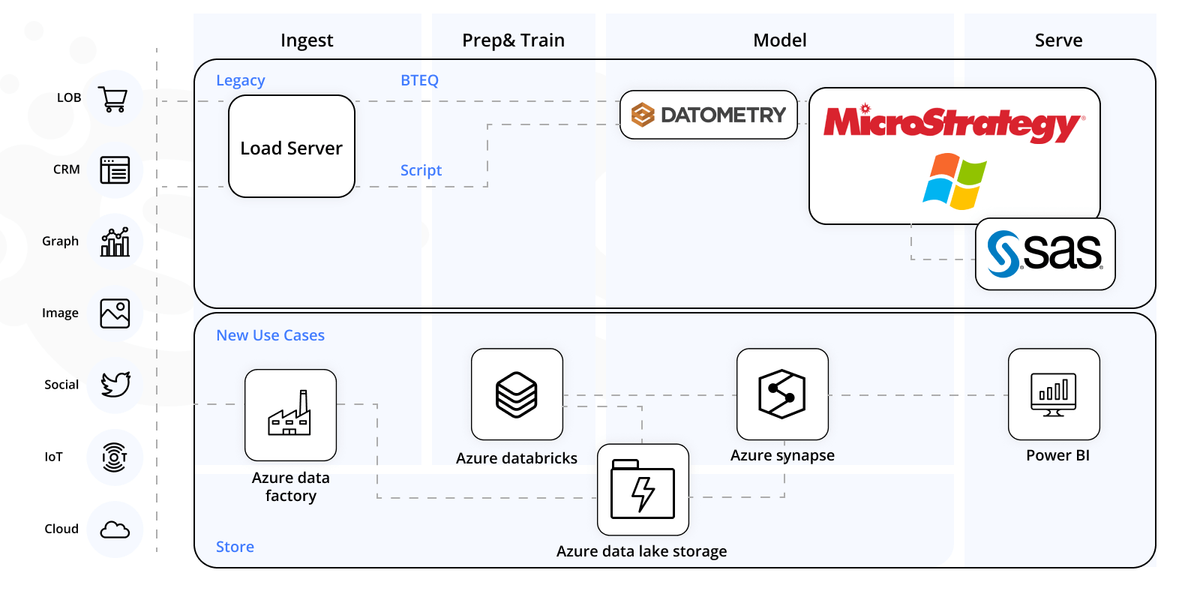
Co-op went with Microsoft Azure for its speed, scalability, and proactive working relationship. With AzureData Factory and Azure Synapse Analytics, Co-op merged its vast data sources, improving accessibility and analytics. Datometry technology allowed them to migrate from their old systems without disrupting service.
The Outcome
Co-op brought together 18 billion rows from 22,000 files and 74 sources, mainly for insurance and membership. The data processing part was reduced from days to minutes. Different teams can now access each other's data, like the Insurance team using retail data.
Conclusion
With this article, you discovered eight ways to cut cloud costsand maximize your resources. These strategies allow your cloud journey to be tech-savvy and budget-friendly. Remember to regularly check your data warehouse's performance, adjust capacity, and control access.
At Softermii, we're here to help you save on costs and guide you through these strategies. Reach out to us today to start saving on your cloud data warehouse while maintaining performance and innovation.
The migration of data warehousing to the cloud offers flexibility, scalability, and performance advantages
Frequently Asked Questions
Can organizations implement these strategies in a phased approach rather than all at once?
Yes, this way, organizations can assess their impact and make adjustments along the way. This phased approach can help manage the complexity of implementation.
How can I ensure data security while limiting cloud access?
Ensuring data security while limiting cloud access requires a layered approach:
What resources or services can organizations use to stay up-to-date with the latest cost optimization strategies?
Cloud providers often offer documentation, webinars, and blogs about cost optimization best practices. Additionally, industry conferences and forums can provide insights into emerging strategies.
How can I balance cloud cost reduction and data warehouse performance?
Balancing cost with performance is pivotal in cloud data warehousing. Here's how to achieve it:
How can I foster a cost optimization culture within my organization?
Promoting a cost optimization culture is an ongoing effort:
How about to rate this article?
50 ratings • Avg 4.5 / 5 · Thanks for rating!
Written by:

CEO & Co-Founder
Slava Vaniukov is the CEO and Co-Founder of Softermii, with more than 10 years on the front lines of software development. He has spent that decade helping founders and enterprises turn ambitious ideas into products that ship — and that perform. Apps built by his teams have been featured on multiple “Top 10 Best App…