
10 Best Online Payment Solutions You Need to Know in 2023

Want to know more? — Subscribe
In recent years, we have seen the widespread launch of mobile wallets and the growth of technological developments in smartphones and POS at retail terminals.
In recent years, we have seen the widespread launch of mobile wallets and the growth of technological developments in smartphones and POS at retail terminals. By choosing the best online payment solutions, businesses can ensure smooth and trustworthy financial transactions, foster international commerce, and provide better customer service.
All this, as well as the support of governments, contributes to expanding the market. The digital payments market is projected to increase from $8.73 trillion in 2023 to $14.77 trillion by 2028, with a CAGR of 11.08%.
Softermii has extensive experience developing secure financial solutions like Expedipay and Smart Start. That includes connecting to various online payment solutions. Today, we will review the market and share our insights on choosing the most optimal option.
Want a skimmable version?
Get a quick overview of our article with AI to access all the important information quickly.
Generate AI SummaryHide summary
Want a skimmable version?
Get a quick overview of our article with AI to access all the important information quickly.
Generate AI SummaryHide summaryAn overview of the leading online payment solutions in 2023 — the main types, the top providers, and how to choose the right fit for your business.
5 Types of Online Payment Solutions
Modern financial solutions provide a wide range of options for consumers and businesses. The list of online payment methods looks like this:
Project Calculator
Get the detailed project estatimation – choose the details of your product and calculate the quote of the development
Calculate now- Credit/debitcard processors facilitate transactions using credit and debit cards. Examples: Visa and Mastercard.
- Digital wallets allow users to store payment information and make online and in-store payments. Examples: Apple Pay, Google Pay, Samsung Pay, and PayPal.
- Mobile payment apps help users make payments, manage finances, and perform various financial transactions. Examples: apps from traditional banks, peer-to-peer payment apps (Venmo, Cash App), and mobile payment apps offered by tech companies (Apple Pay).
- Cryptocurrency is a virtual currency that uses cryptography and operates on decentralized blockchain technology. Examples: Bitcoin, Ethereum, Ripple, etc.
- Emerging fintech solutions encompass various innovative financial services and payment technologies. Examples: buy now, pay later (BNPL) services (Afterpay, Klarna), peer-to-peer lending platforms (LendingClub), neobanks (Chime), etc.
10 Best Online Payment Solutions in 2023
Online payment gateways are digital platforms and technologies that enable individuals and businesses to make and receive payments over the Internet.
Let’s explore the online payment service providers, highlighting their unique features, pros and cons, and pricing.
1. PayPal
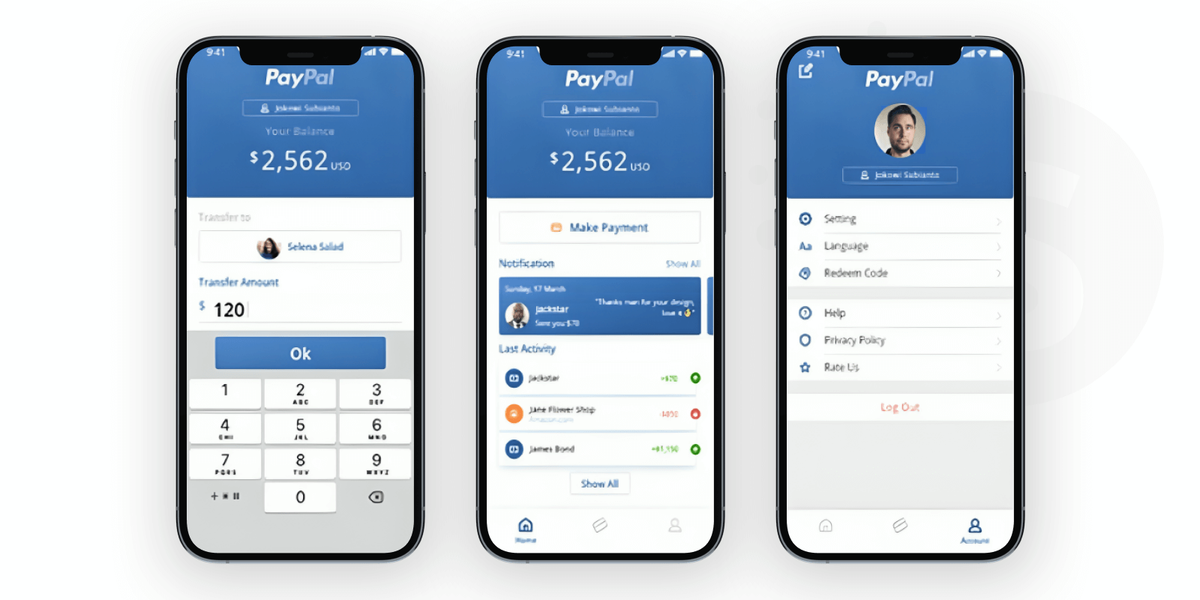
PayPal is one of the leading digital payment platforms in the world.
Features:
- Money transfers between friends, family members, businesses, or for donation purposes
- Payment processing, invoicing, and payment gateway integration options for e-commerce websites
- Advanced security measures
- Purchase protection and refunds for eligible transactions
Pros:
- PayPal's encryption and security measures
- It's easy to send money to friends, pay bills, and make online purchases
- PayPal supports payments and transfers in multiple currencies and countries
Cons:
- Fees for currency conversion and receiving payments
- Resolving disputes with PayPal can be a lengthy process
Pricing: 2.9% + $0.30 US for a credit/debittransaction
2. Stripe
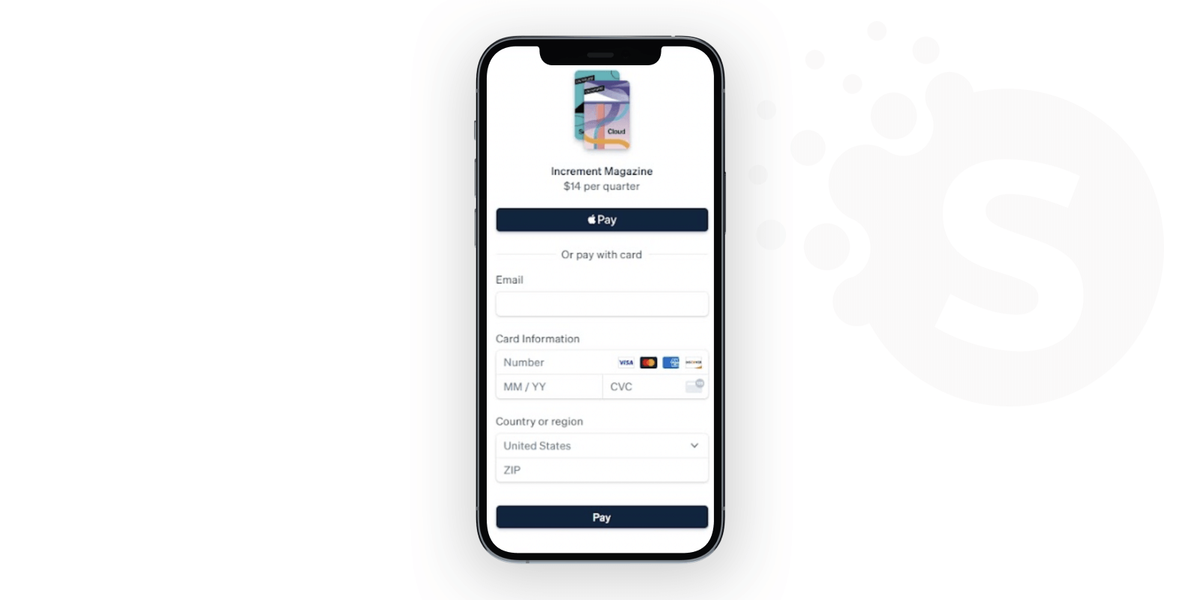
Stripe has gained popularity as one of the popular online payment solutions suitable for businesses of all sizes.
Features:
- Payment processing online and in mobile apps
- Subscription-based services, recurring billing, and automated subscription renewals
- Integration with point-of-sale (POS) systems and hardware
- Extensive developer tools, APIs, and documentation
- Machine learning algorithms and fraud detection tools
- Customization to match branding and customer preferences
Pros:
- Easy integration with developer tools and APIs
- It supports businesses in over 40 countries
- Transparent pricing
- Advanced security measures
Cons:
- Overwhelming features and customization options
- Different payout schedules depending on your location and business type
Pricing: 2.9% and $0.30 per credit/debittransaction + 0.4% per rebill.
3. Venmo
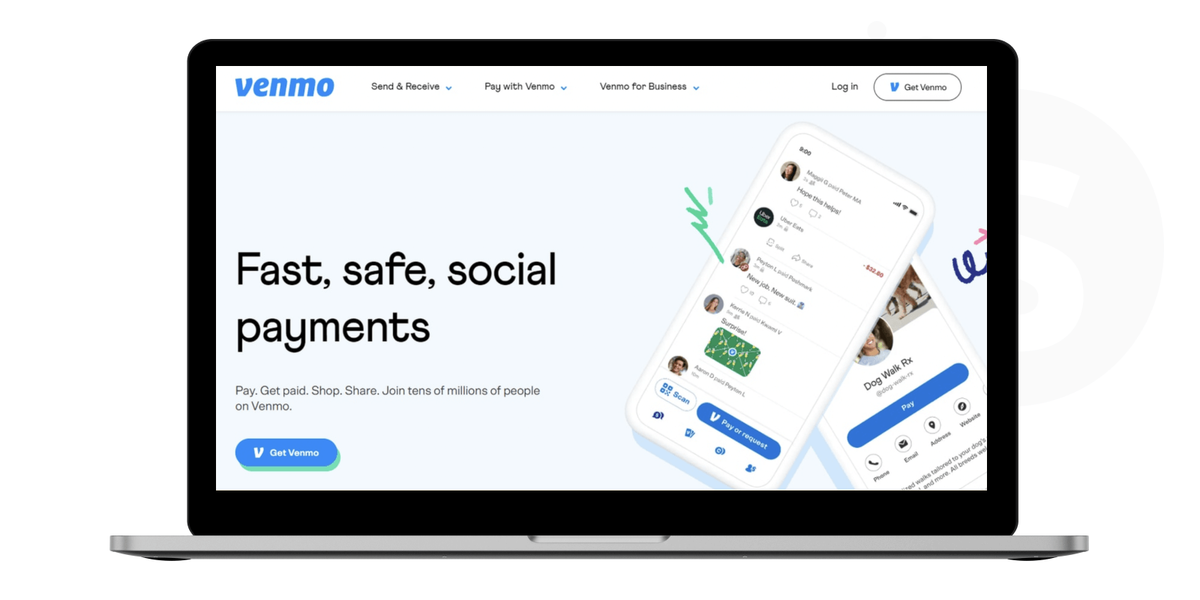
Venmo is a mobile payment service owned by PayPal that primarily focuses on peer-to-peer (P2P) transactions.
Features:
- P2P payments using a bank account or debit/creditcard
- Splitting bills
- Ability to add notes and emojis to transactions
- Transactions can be private or shared with friends
- Venmo debit card for in-store and online purchases
- Membership cashback rewards program
Pros:
- Quick transfers
- Free P2P transactions
Cons:
- Fees for business-related transactions
- Focus on transactions within the United States
Pricing: 1.9%+$0.10 of the payment
4. Braintree
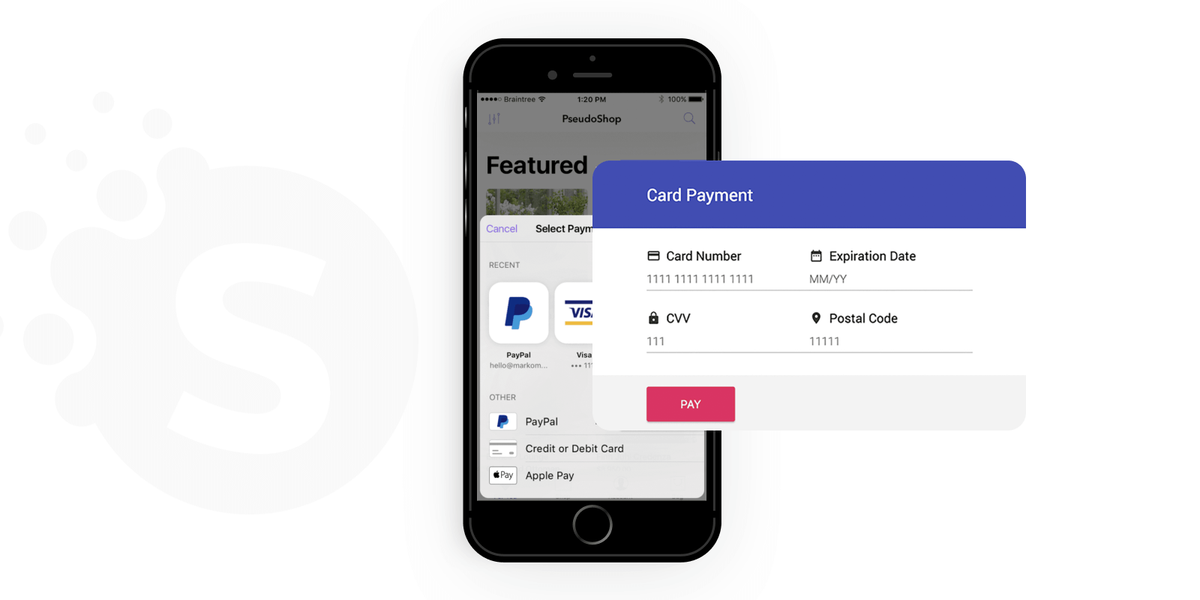
Braintree is a full-stack PayPal-owned platform designed to help businesses accept, process, and manage online and mobile payments.
Features:
- Supports best online payment methods, including credit and debit cards, PayPal, Apple Pay, Google Pay, Venmo, etc
- Subscription billing and recurring payments
- Developer-friendly APIs, SDKs, and extensive documentation
- Data encryption, fraud detection, and PCI DSS compliance
Pros:
- Developer-friendly tools for integration
- A strong emphasis on security
- It supports transactions in over 130 countries and offers multi-currency processing
Cons:
- Complex pricing with various fees and transaction costs
- Low level of customization
Pricing: 2.59% + $0.49 per transaction
5. Square
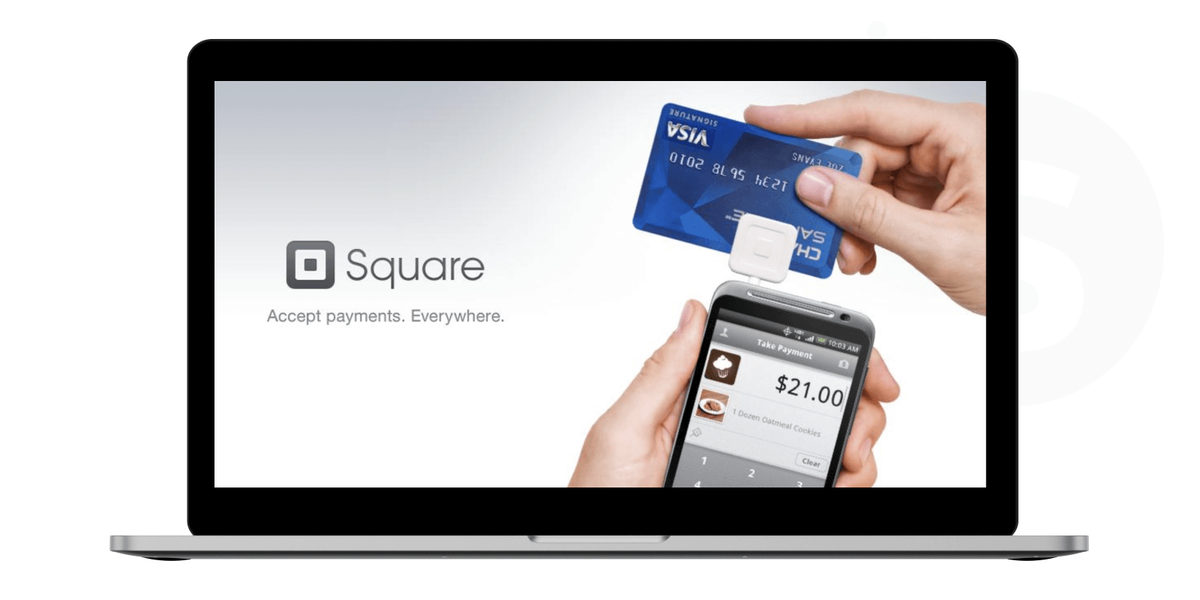
Square has become a prominent player in the fintech industry, delivering both secure credit card processing to point-of-sale solutions.
Features:
- Payment processing through Square POS hardware, online payments, and mobile payments
- A range of POS hardware, including countertop and mobile card readers, cash registers, and tablets
- Tools and templates for creating e-commerce websites
- Inventory management features
- Tools for email marketing, loyalty programs, and appointment scheduling
- Advanced security and compliance with industry standards
Pros:
- A wide range of hardware options
- Transparent pricing with no monthly fees or long-term contracts
- E-commerce integration
Cons:
- Transaction fees can add up with high sales volumes
- Support is limited to the United States, Canada, and a few other countries
Pricing: 2.65% per card transaction, 2.9% + $0.30 per online transaction
6. Authorize.Net
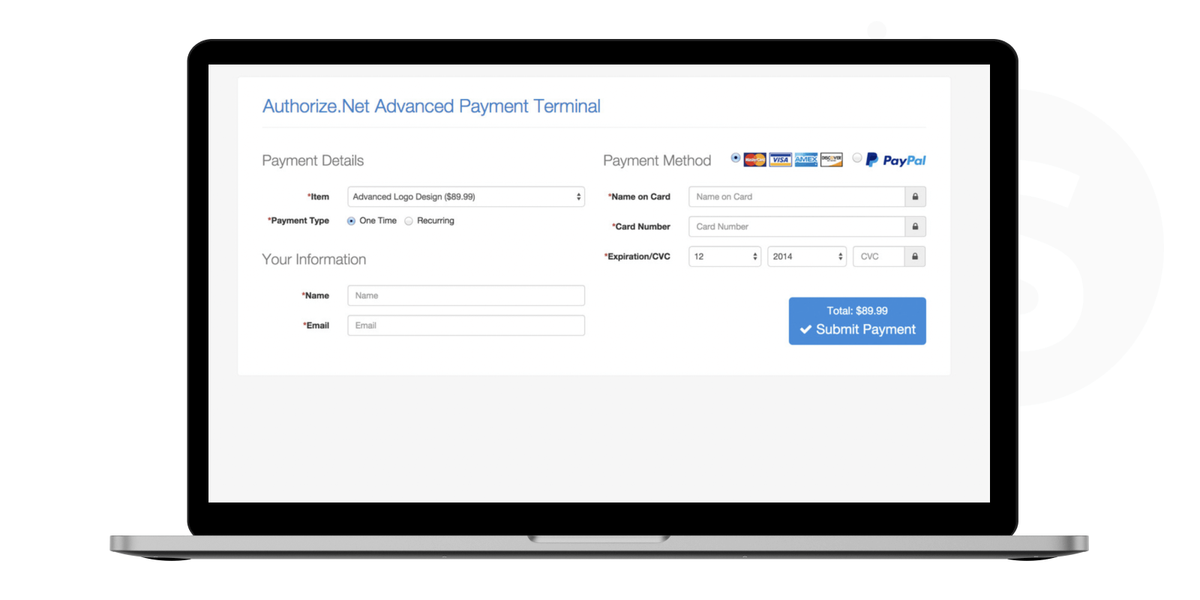
Authorize.Net was founded in 1996 and has established itself as a trusted and reputable payment gateway.
Features:
- Supports credit, debit cards, and digital wallets.
- Purchasers can pay without leaving the site
- Recurring payments, subscription billing, and automated payment scheduling
- Fraud prevention and detection tools
- Customer data management
- Mobile SDKs and APIs
Pros:
- A wide range of payment methods
- The support for recurring payments
- Robust tools for detecting and preventing fraud
- The platform is PCI DSS compliant
Cons:
- Complex pricing with setup, monthly, and per-transactionfees
Pricing: $25 per month + 2.9% & $0.30 per transaction
7. Adyen
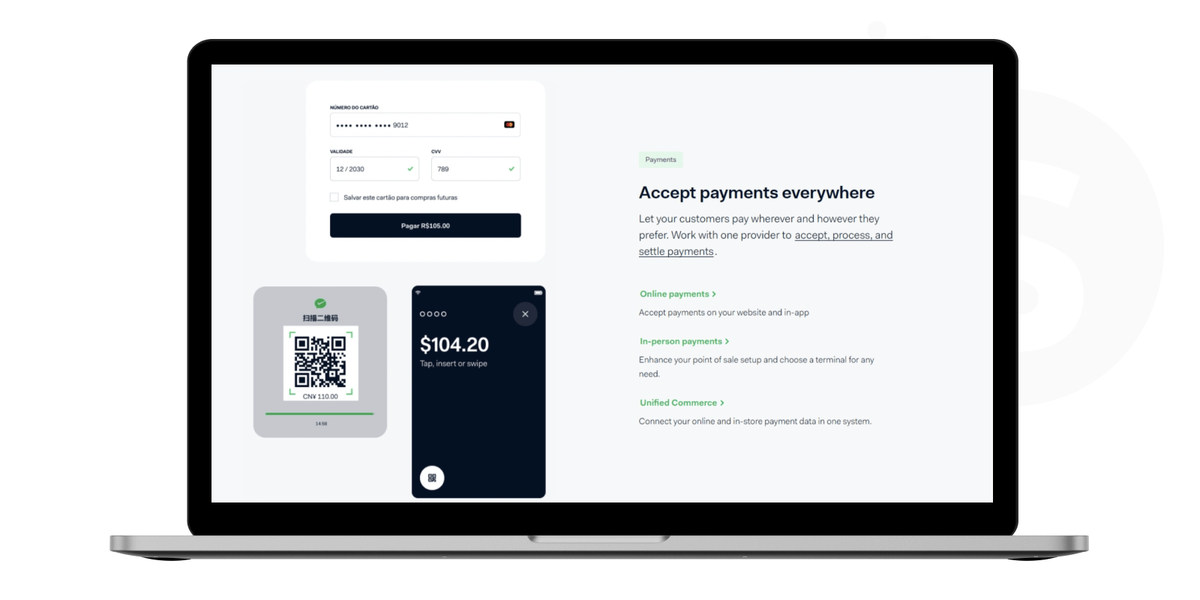
Adyen is a global payment company providing a comprehensive platform for businesses to accept online and in-store payments.
Features:
- Accepting in-store payments through POS systems and mobile devices
- Online payment processing capabilities
- Subscription billing and recurring payments
- Risk management tools and fraud prevention features
- Supporting transactions in over 150 currencies
- Detailed reporting and analytics tools
Pros:
- A single platform for both online and in-store payments
- The platform can accommodate businesses of all sizes
- Robust reporting and analytics tools
- Adyen supports localized payment methods
Cons:
- Transaction, processing, and setup fees are based on transaction volume and location
- Not cost-effective for very small businesses
Pricing: €0.11 + a processing fee determined by the card used.
8. Payline
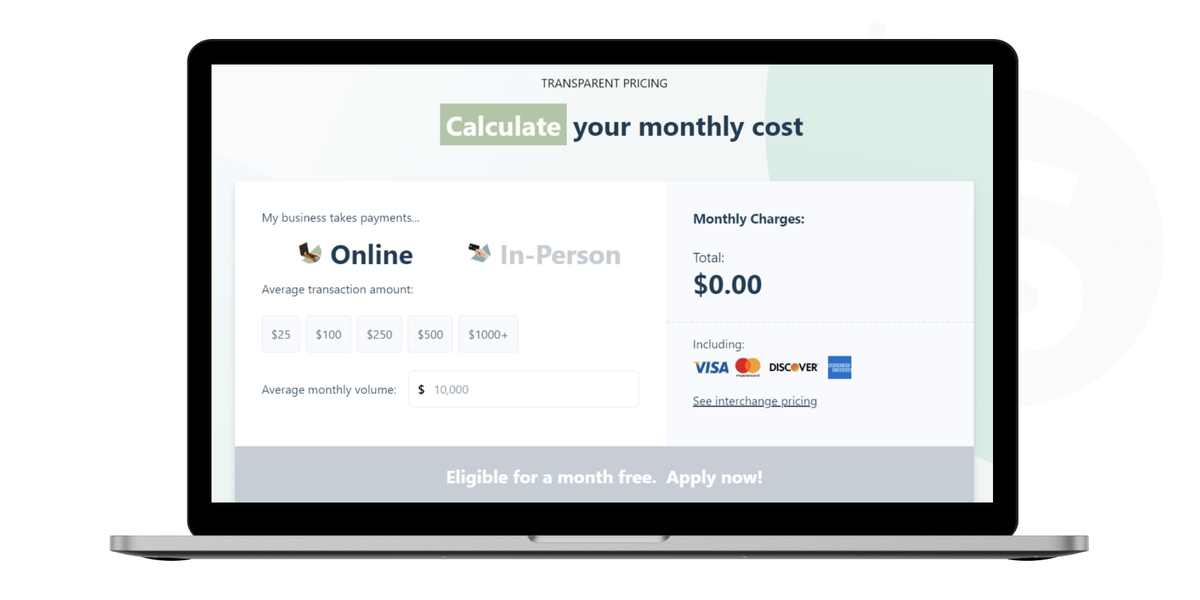
Payline is known for providing payment processing solutions catering to various industries and business sizes.
Features:
- Accepting payments through in-store, online, and mobile channels
- POS systems and hardware options
- Recurring billing and subscription-based payment models
- E-commerce integration for websites and shopping carts
Pros:
- Transparent and competitive pricing
- Support for recurring payments
- In-person and online payments
- Responsive customer support
Cons:
- Limited international support
- Some features require additional fees
Pricing: $20 per month as a monthly fee, 0.75% + a $0.20 transaction fee
9. Apple Pay
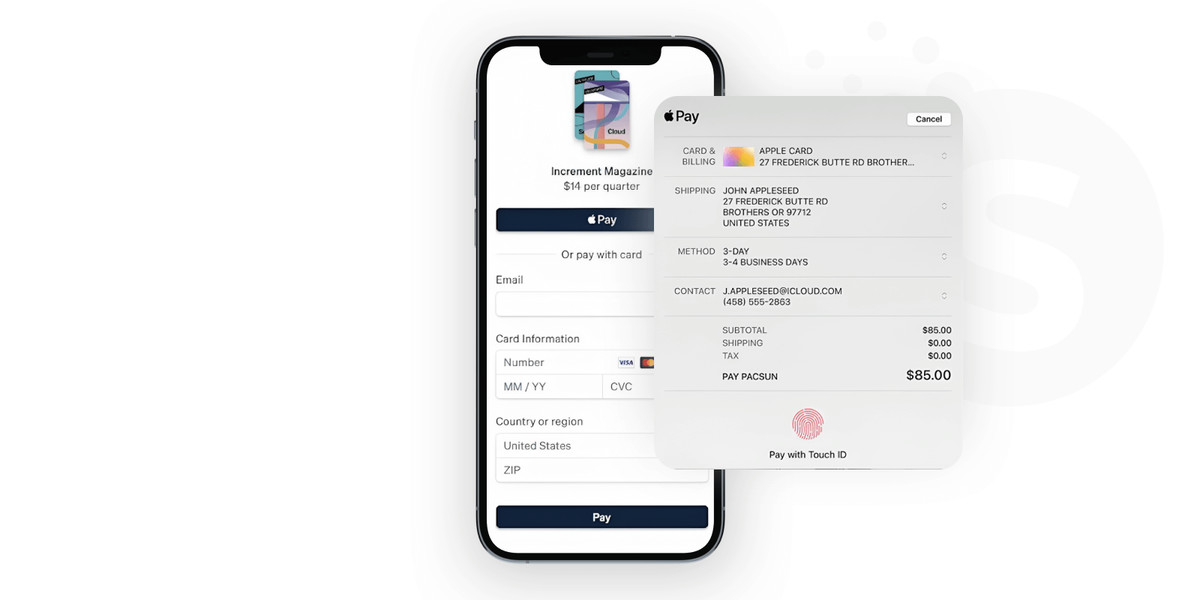
Developed by Apple Inc., Apple Pay is compatible with various Apple devices and allows users to link their credit or debit cards.
Features:
- Contactless payments
- In-app payments
- Face ID and Touch ID
- Apple Pay can store multiple credit and debit cards
- Users can also store loyalty cards, boarding passes, event tickets, etc
Pros:
- Biometric authentication and tokenization
- Users' card details are not stored on the device or shared with merchants
- Many popular apps and websites support Apple Pay
Cons:
- Apple Pay requires Apple devices
- Its availability varies by country
Pricing: from 1.5% to 3.5% per transaction
10. Checkout.com
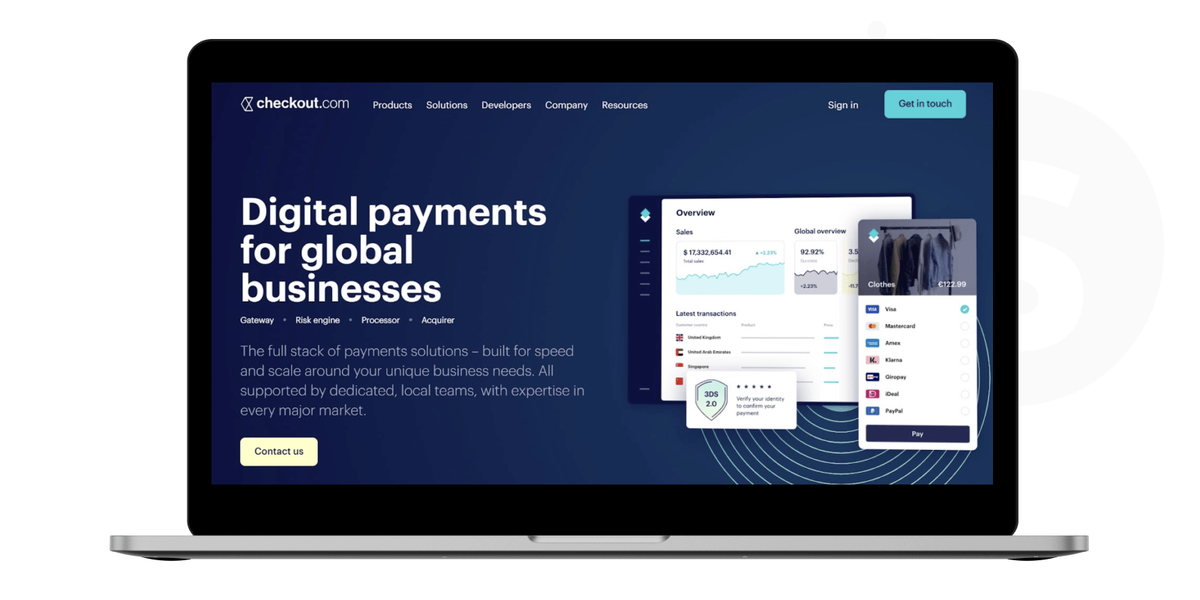
Checkout.com is a cloud payment solution with fast and secure payments and withdrawals, fraud filters, and reporting through a single API.
Features:
- International coverage with 150+ currencies
- Focus on crypto
- Robust fraud prevention
- Tools for monitoring and analyzing transactions
Pros:
- Fair and transparent pricing
- Clear reporting
- Great API services
- Helpful documentation
Cons:
- You should have 3 months with over 10K volume before registration
- Slow customer support
Pricing: 0.95% + $0.20 for European cards and 2.90% + $0.20 for non-European cards
Choosing the Right Payment Solution
How to select among popular online payment solutions the most suitable one? We’ve prepared some tips:
- Define your specific goals and requirements. Are you looking to accept online payments, manage subscriptions, or make personal transactions?
- Assess the volume of transactions you expect to handle regularly. Also, consider your future growth.
- Understand the preferences of your customers or clients — credit/debitcards, digital wallets, bank transfers, or other methods.
- Ensure the payment solution complies with industry-standard security measures, such as PCI DSS.
- Consider your integration requirements. Do you need seamless integration with your website, e-commerce platform, or accounting software?
- Understand all fees associated with the service, including transaction, monthly, setup, and any other charges.
- Ensure the payment solution supports the currencies and regions relevant to your needs. Check for cross-border fees and currency conversion rates.
- Assess the level of customer support provided by the payment solution provider.
- Research the payment solution's reputation and reliability by reading online reviews.
- Test the user experience of the payment solution from both the sender and receiver perspectives.
Online Payments Trends and Innovations
What trends and innovations are prominent in the online payments industry? Let’s figure it out.
- Contactless payment methods, such as mobile wallets (Apple Pay, Google Pay) and NFC technology
- Buy Now, Pay Later (BNPL) services to split customer purchases into interest-free instalments
- The acceptance of cryptocurrencies (Bitcoin, Ethereum) as a legitimate payment method
- The rise of QR code-based payment methods
- Embedding banking, lending, and payment services into apps and websites
- Advanced AI and ML algorithms to enhance fraud detection and offer personalized payment recommendations
- Facial recognition and fingerprint scanning as authentication methods
- The growth of voice-activated devices like smart speakers
$8.73 trillion
The digital payments market is projected to increase from $8.73 trillion in 2023 to $14.77 trillion by 2028, with a CAGR of 11.08%
Softermii Experience
Softermii is a trusted fintech software vendor that will help you create online payment platform with automated billing, P2P money transfers, client messengers, and customer analytics. We know what to offer financial organizations, SaaS providers, fintech startups, trading platforms, hedge funds, wealth managers, and other businesses.
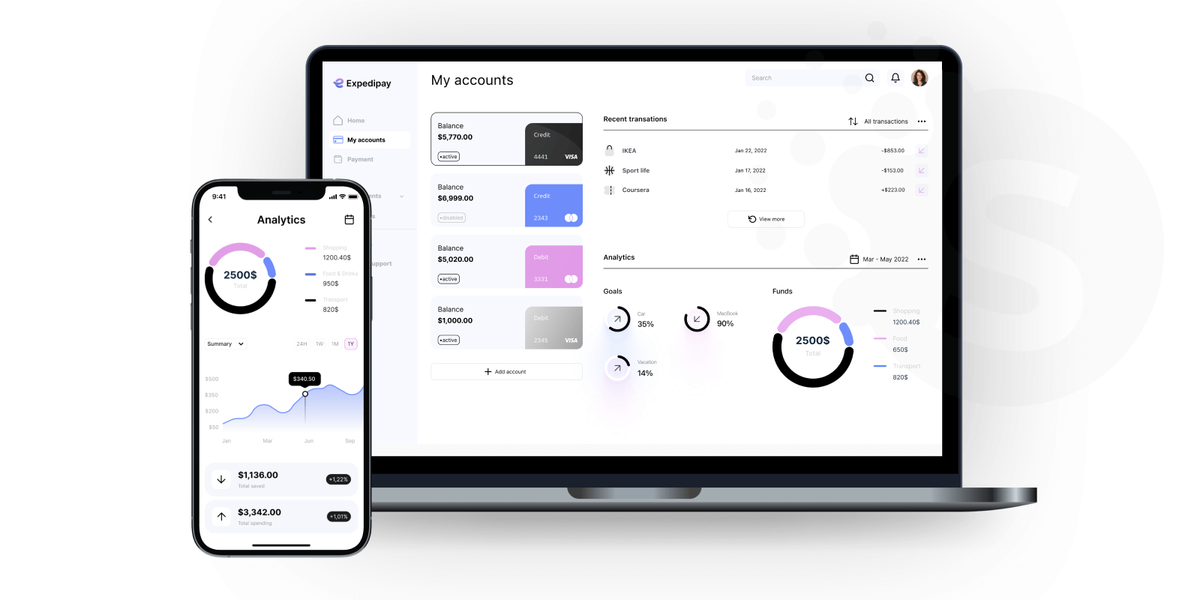
Expedipay
For Expedipay banking software, we've added secure P2P transfers, wallet card list, live chat, and fraud detection features. As a result, the app received 13,000+ downloads and 1,350,000+ money transfers in the first three months, with 4.1 as the average number of customer transfers.
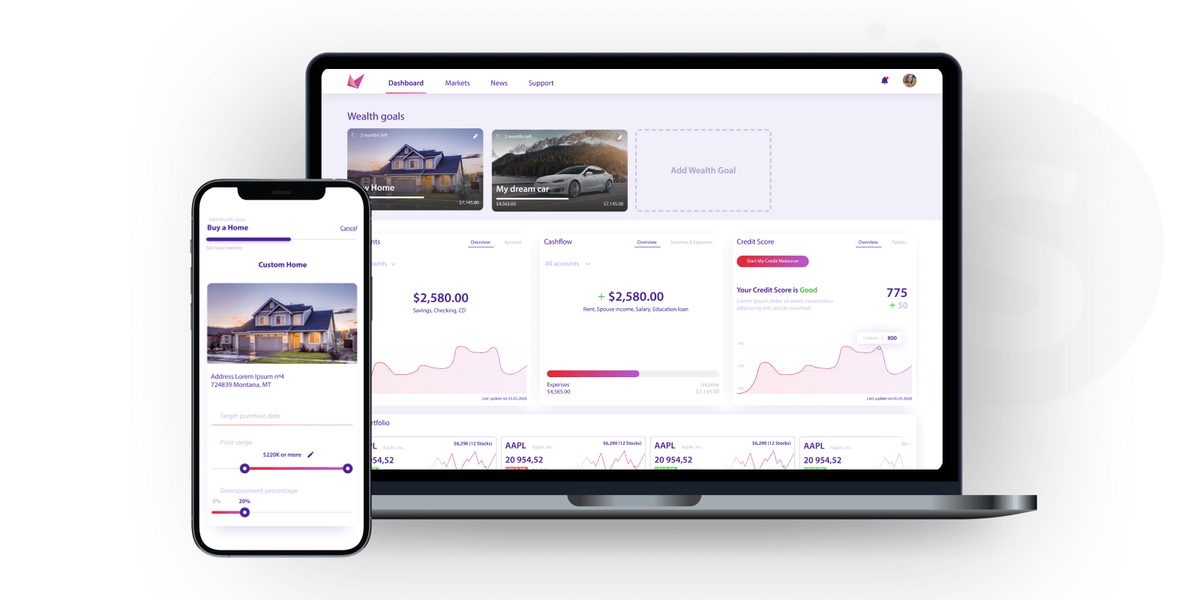
Smart Start
For SmartStart, we created mobile and web applications. This allows for monitoring and segmenting expenses, managing assets, and using AI/ML algorithms to estimate the possibility of lending. Also, the solution integrates with American banks and payment systems like PayPal and Stripe. In the first two months, the app had 24,000 subscribers and 1,296,000 transactions.
Conclusion
Online payment systems have become the lifeblood of commerce, catering to the needs of individuals and businesses alike. Today, you learned more about the best online payment solutions, including PayPal, Stripe, Apple Pay, Venmo, Braintree, etc.
To choose a perfect solution, you should carefully assess your unique requirements, considering security, fees, and user experience. Contact Softermii if you want to select and integrate an online payment system into your solution or build a P2P payment app from scratch.
By integrating online payment solutions , businesses ensure smooth and trustworthy financial transactions, foster international commerce, and provide better customer service
Frequently Asked Questions
How can I ensure the security of online transactions?
To enhance the security of online transactions, select a reputable payment vendor with strong security measures. Implement SSL encryption, tokenization, and two-factor authentication. Regularly monitor transactions, stay compliant with industry regulations, and educate users about online safety to maintain a secure online payment environment.
Can I use multiple online payment service providers on my website?
Yes, you can use multiple payment solutions on your website to offer customers flexibility in paying for their purchases. However, it's essential to ensure that the integration is seamless and that all chosen payment solutions meet security and compliance standards to protect sensitive information.
How do I integrate an online payment solution into my website?
To integrate an online payment solution into your website, select a reputable payment gateway provider and create an account. Follow the instructions to add the necessary code or plugin to your checkout page. Implement security measures like SSL encryption to protect user data during transactions. Comply with any legal and regulatory requirements related to online payments, such as PCI DSS.
How about to rate this article?
69 ratings • Avg 1.7 / 5 · Thanks for rating!
Written by:

Co-Founder
Andrii Horiachko is a Co-Founder of Softermii with over 12 years of experience in software development, eight of them spent building and managing Softermii itself. He is responsible for technology-innovation in clients’ projects, making sure every product runs on a modern, carefully chosen tech stack that can sustai…