
How to Build a Payment Processing App for an E-commerce Store

Want to know more? — Subscribe
In online shopping, payment processing apps have become the beating heart of e-commerce stores. It's important to build a payment processing app that…
In online shopping, payment processing apps have become the beating heart of e-commerce stores. It's important to build a payment processing app that facilitates seamless transactions and improves your customers' shopping journey. This app connects customers with their purchases, making it a vital part of their shopping experience.
With over nine years in software development, Softermii has earned a reputation for making secure payment systems. One of our flagship projects, Expedipay, exemplifies our proficiency in this arena. This article outlines the main features, development process, and cost of payment processing apps. We also provide you with case studies of payment processing apps and cover our experience with Expedipay development.
Want a skimmable version?
Get a quick overview of our article with AI to access all the important information quickly.
Generate AI SummaryHide summary
Want a skimmable version?
Get a quick overview of our article with AI to access all the important information quickly.
Generate AI SummaryHide summaryHow to build a payment processing app for an e-commerce store — the must-have features, the development process, and cost factors.
Must-Have Features of Payment Processing Apps
As an e-commerce business owner, it's pivotal to invest in a robust payment processing solution that meets the expectations of your clientele. The following features allow you to provide a seamless user experience and foster trust and loyalty among consumers.
Project Calculator
Get the detailed project estatimation – choose the details of your product and calculate the quote of the development
Calculate nowUser-Friendly Interface
Your payment app should offer a clean, intuitive interface, so users can easily navigate the payment process.
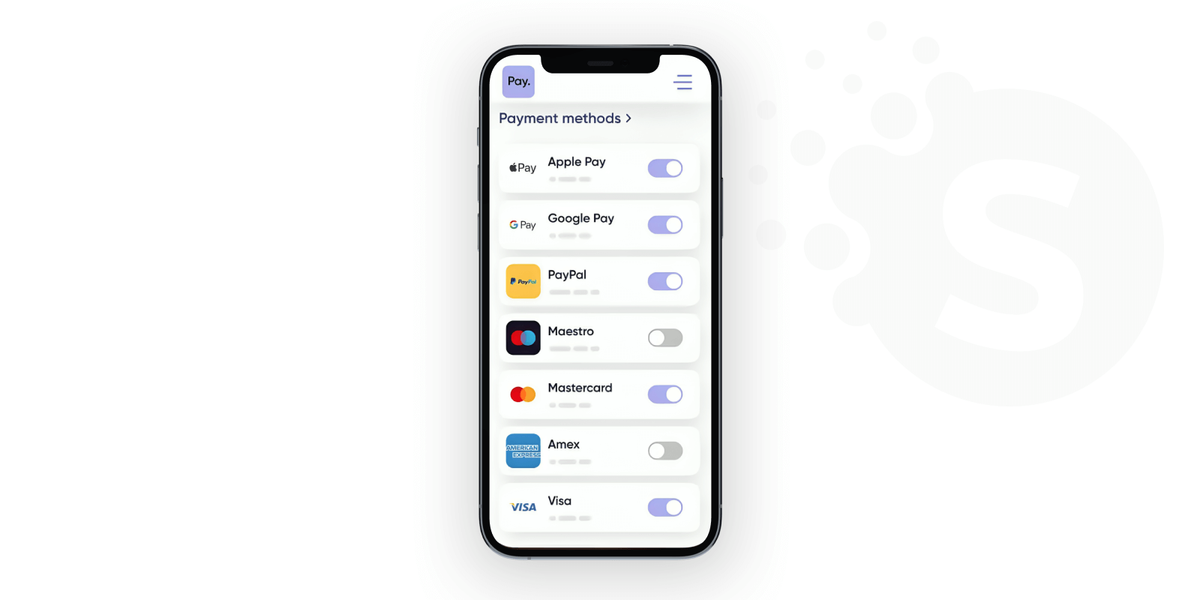
Multiple Payment Options
Include popular payment gateways like credit/debit cards, bank transfers, digital wallets, and even cryptocurrencies. They provide flexibility for users with varying payment preferences.
Real-Time Transaction Monitoring
With this feature, you can see transactions happening right now. It helps in identifying and addressing any anomalies or fraudulent activities.
End-to-End Encryption
It protects customers' sensitive information and safeguards it against potential breaches.
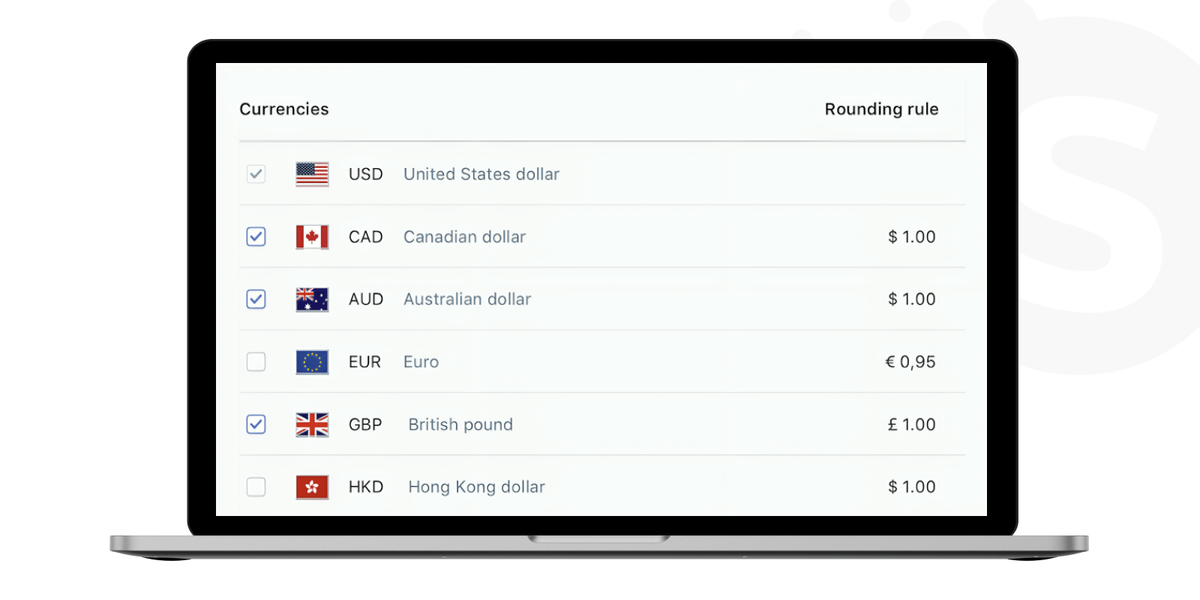
Multi-Currency Support
For e-commerce stores serving a global audience, using multi-currency support is important. It lets customers see prices and pay in their local currency, enhancing their shopping experience.
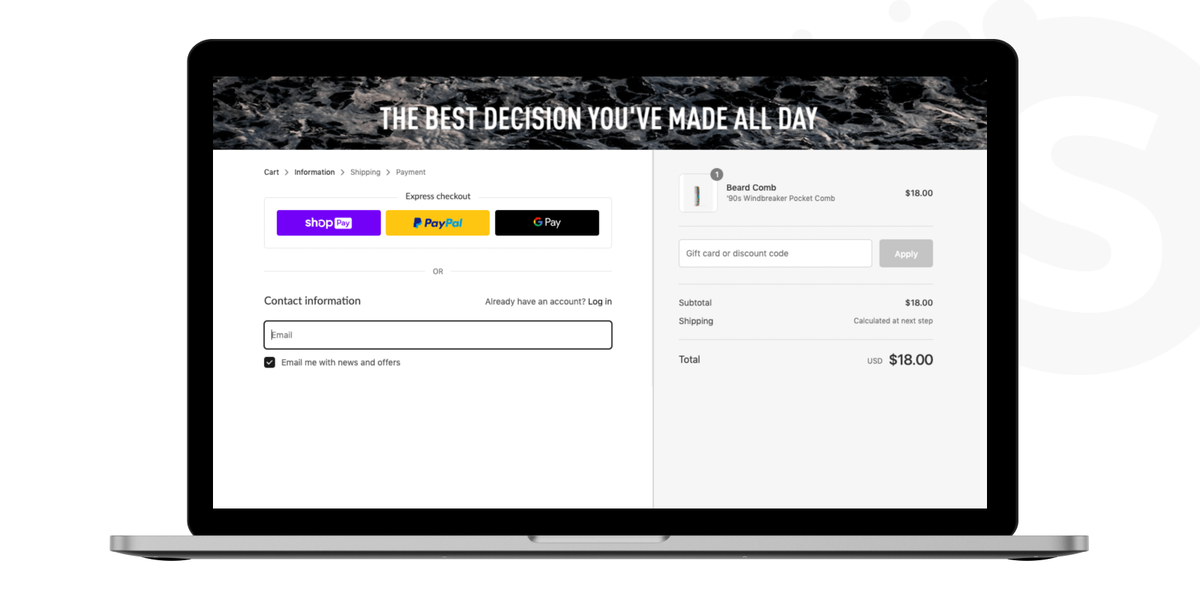
Quick Checkout Options
Features like one-click checkout or the ability to store card details (with the user's consent) can speed up the payment process. Also, they can reduce cart abandonment rates.
Mobile Optimization
With a surge in mobile shopping, ensuring that your payment app is mobile-friendly is indispensable. It includes fast loading times on a phone, touch-friendly buttons, and mobile wallet integrations.


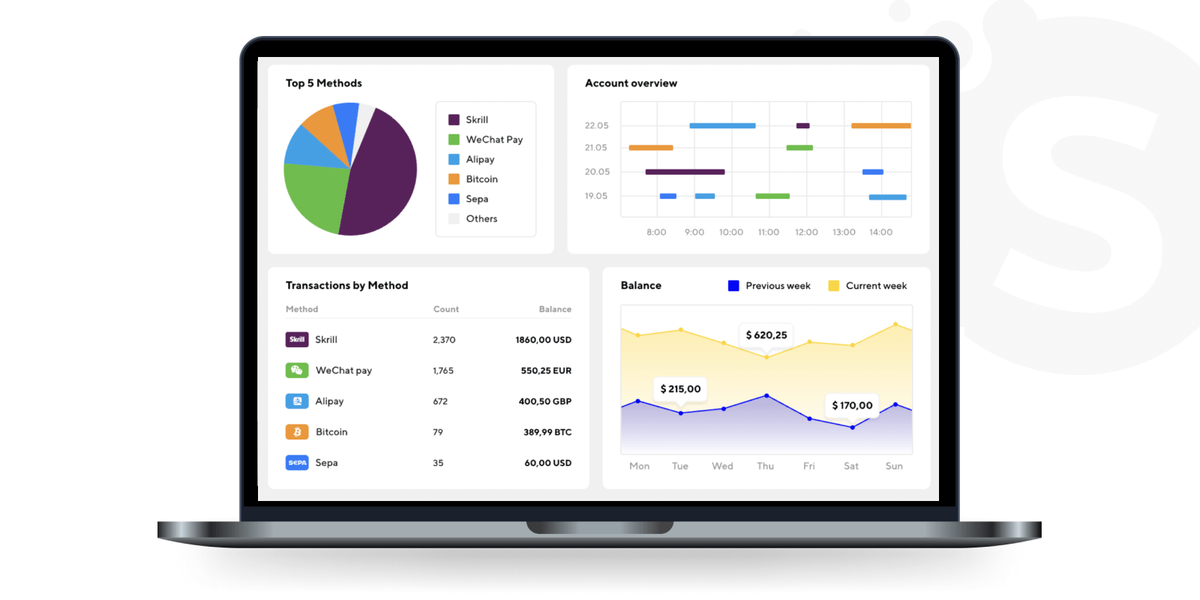
Payment Analytics
Insights into payment trends, peak transaction times, and 'successful vs failed transactions' tracking can assist businesses in refining their strategies and enhancing the user experience.
Fraud Detection and Risk Management
AI and machine learning can help your app to identify suspicious activities and flag them for review. It minimizes chargebacks and potential fraud, enhancing greater trust in customers.
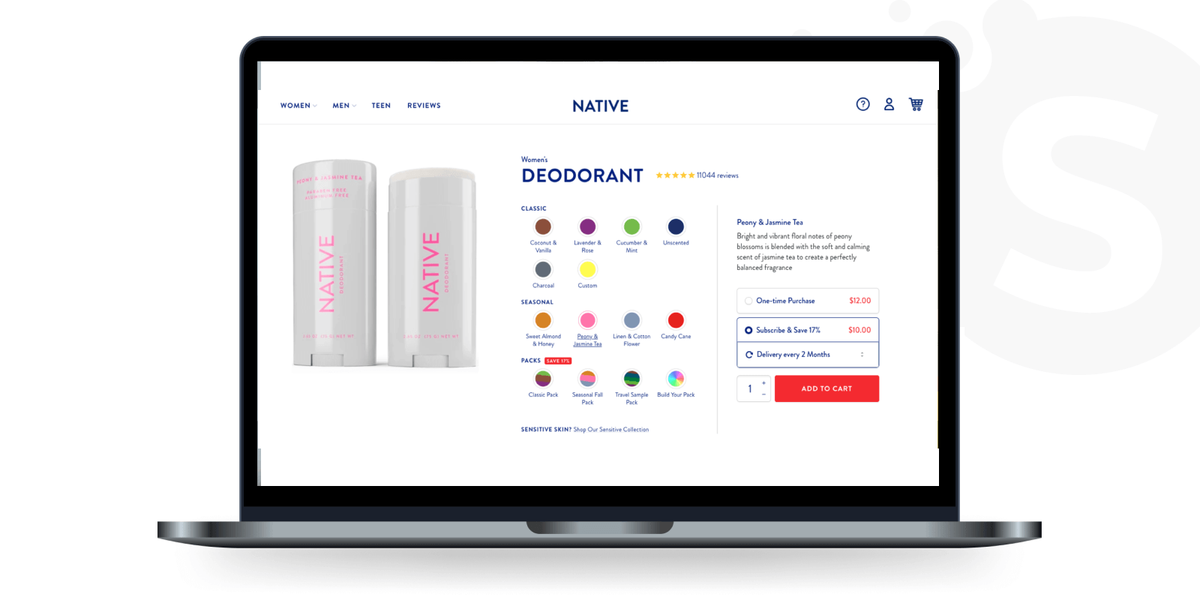
Recurring Billing and Subscription Management
If you offer subscription services, set up a system that automatically bills customers at set intervals and sends an invoice afterward. It should include managing subscription upgrades, downgrades, or cancellations.
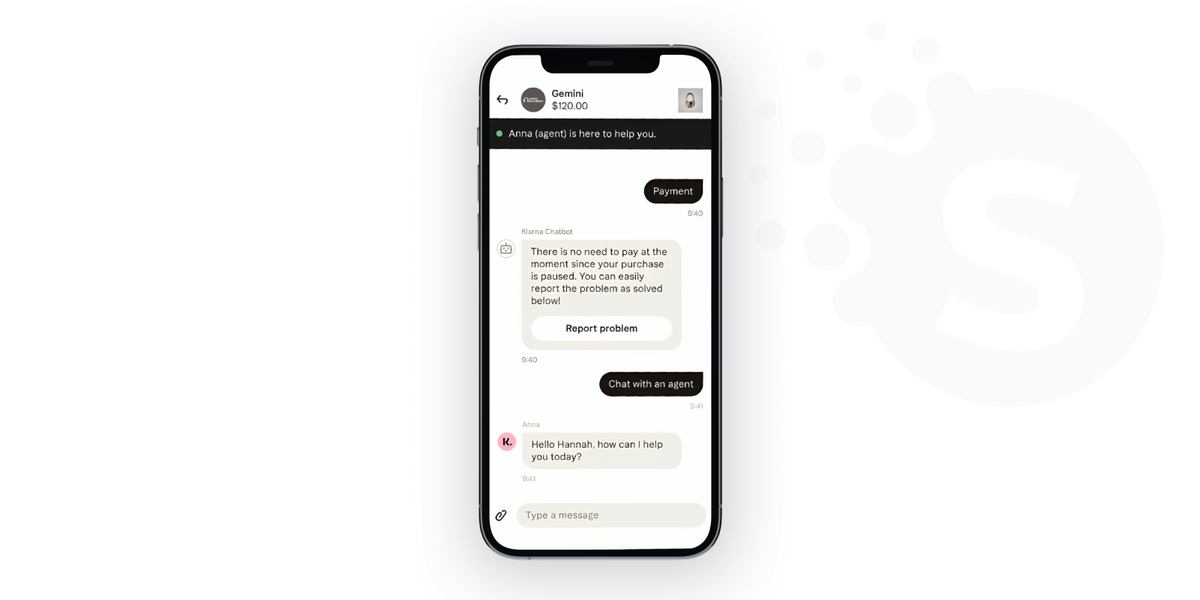
24/7 Customer Support
Account offering round-the-clock customer support to address any queries or problems quickly.
Tax and Compliance Management
You need to create online payment platform that can handle tax calculations based on the user's location. It should also ensure that the business remains compliant with global tax regulations.
Payment Processing App Development Process
Developing a payment app for an e-commerce store requires a meticulous approach and attention to detail. Here's a step-by-step guide through the development process:
Planning, Ideation, and Discovery
Evaluate the specific requirements of your e-commerce store. For instance, if your store caters to a global audience, it needs multi-currency support. Research competitors and identify gaps in their payment processing approaches that you can capitalize on. Decide on the technologies and platforms that will form the foundation of your app.
UI/UX Design
During this stage, a basic structure of the app is created, outlining the positions of the essential features. Then you get a clickable prototype to simulate the user journey. It allows you to make iterative changes before actual development begins. Afterward, designers incorporate brand colors, typography, and other design elements to create a visually appealing interface.
Development
The development team works on the interface that users will interact with. They ensure it's intuitive, responsive, and consistent across different devices. They also integrate with payment gateways, ensure secure encryption of sensitive data, and set up servers to handle transactions.
$6.3 trillion
According to Shopify , the global ecommerce market is expected to total $6.3 trillion in 2023
Testing and Launch
Unit testing tests individual components of the app to ensure they function correctly in isolation. Integration testing checks if all the components work seamlessly when integrated. Consider user acceptance testing to gather feedback from potential users and make any necessary tweaks. After all of that, the app can be launched. It's important to measure its performance and gather user feedback in real time.
Technical Documentation
It is crucial for future development phases or if other developers need to work on the app. The documentation includes details about the architecture, codebase explanations, API references, etc.
Cost to Build a Payment Processing App
Now you know the stages of developing a payment app for an e-commerce store. However, it's crucial to grasp the investment required. The table below summarizes the development stages, estimated costs, and development time.
| Development Stages | Hours | Cost | |
|---|---|---|---|
| 1 | Planning, Ideation, and Discovery | 280 hours | $11 200 |
| 2 | UI/UX Design | 200 hours | $6 000 |
| 3 | Development | 640 hours | $25 600 |
| 4 | Testing and Launch | 240 hours | $9 600 |
| 5 | Technical Documentation | 40 hours | $1 600 |
| Total: | 1 400 hours (approximately 9 months) | $54 000 |
Note that these are the approximate costs, and the actual ones may vary. Drop us a line, and we will calculate a detailed plan based on your needs.
Also, the cost to create a payment app for an e-commerce store can vary widely based on numerous factors. It's essential to understand these determinants to budget effectively and ensure a return on investment.
Scope and Complexity
A basic app with a simple payment gateway might be relatively inexpensive. Yet, a multifaceted app with numerous payment options, currency conversions, and advanced fraud detection can drive up costs. Tailoring the app to meet specific needs or incorporating proprietary algorithms adds complexity and cost.
UI/UX Design
Using off-the-shelf design templates is cheaper, but a custom UI/UX design that enhances user experience and matches your brand can be more pricey. A seamless user journey requires meticulous design and iteration, which can be more costly.
Development Team
Hiring an in-house team gives you better control over the project, but sometimes hiring freelancers or outsourcing is cheaper. Still, senior developers or agencies with a rich portfolio often ensure a smoother development process and better quality output. As usual, dedicated team members have previously worked together on different projects. Thus, they have higher expertise and can ensure a more seamless work process.
Maintenance & Upgrades
After your app is up and running, you'll need to spend costs on post-launch support. It includes bug fixes, performance optimization, and addressing user feedback. As the e-commerce landscape evolves, introducing new features will have associated costs.
Additional Costs
Payment gateways, security certifications, or third-party services usually have associated licensing fees or subscription costs. If the app has intricate features or is built for enterprise-level operations, training the staff can also introduce additional costs.
Case Studies and Examples: Real-World Implementations of Payment Processing Apps
Real-world implementations of payment processing apps provide valuable insights into their functionality, adaptability, and effectiveness. Here are a few examples showing how e-commerce stores have adopted these apps.
Stripe for Shopify
Shopify's partnership with Stripe has been one of the most notable collaborations in the e-commerce world. This integration has allowed Shopify merchants to handle transactions seamlessly across many countries. With its transparent fee structure, extensive currency support, and robust fraud prevention mechanisms, the Stripe solution within Shopify has set a gold standard for e-commerce payment systems.
Adyen for eBay
Moving away from its long-time partnership with PayPal, eBay chose Adyen as its primary payment processing partner to improve its user experience. This shift aimed to provide customers with a more integrated checkout process. Adyen's infrastructure enabled eBay to deliver a smoother and more straightforward purchasing journey.
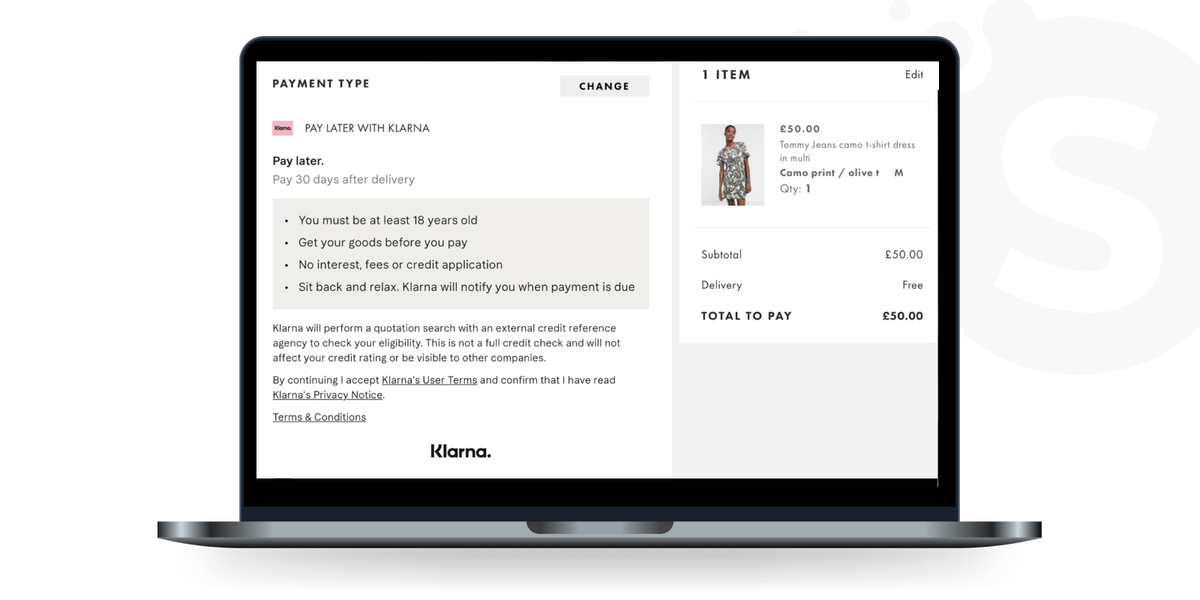
Klarna for ASOS and other Retailers
Klarna, a leading European payment service provider, offers a 'buy now, pay later' method. It has gained significant traction as modern consumers benefit from these flexible payment options. The ASOS merchant integrated Klarna to cater to its younger audience, who prefer paying in installments or after receiving the products. Shoppers found this payment process more aligned with their financial preferences. Thus, the integration led to an increase in conversion rates and a broader customer base.
Softermii's Experience in Payment Processing App Development
Softermii stands where technology and innovation come together, providing advanced digital solutions for important business needs. With a proven track record in the fintech realm, we create secure and user-friendly payment systems.
One such flagship project that underscores our proficiency in this arena is Expedipay. We designed a platform with secure and unfettered access to essential financial services. Expedipay ensures that financial services are within everyone's reach, regardless of geographical or infrastructural constraints.
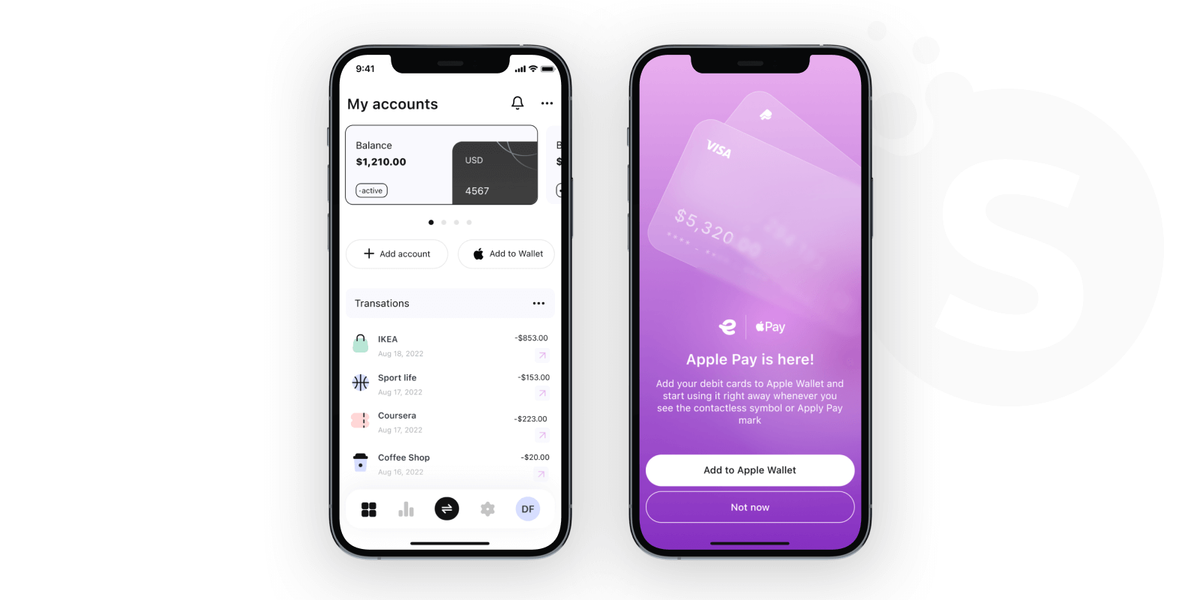
At the heart of Expedipay lies its primary feature: a robust P2P money transfer mechanism. It allows users to execute money transfers swiftly without compromising security. We aimed to build a p2p payment app with eKYC integration to ensure a fraud-resistant authentication process. Our team also introduced the feature to add card lists to the Mobile Wallet, which empowers users with rapid payment capabilities.
The Expedipay project shows our commitment to delivering solutions that resonate with contemporary challenges. We not only address the immediate problem but also envision the broader impact. Our digital solutions are aimed at making finance more inclusive and empowering for everyone.
Final Notes
It's essential to build a payment app for an e-commerce store for seamless transactions and a positive customer experience. Real-world examples such as Shopify and Stripe, eBay and Adyen, and ASOS with Klarna demonstrate the impact of payment processing apps. The Expedipay project showcases our ability to tackle contemporary challenges in fintech.
Building such an app requires a profound understanding of technology and user needs. Softermii is ready to guide you in creating an effective app tailored to your needs. Get in touch with our team to transform your e-commerce store with a seamless payment experience.
Build a payment processing app that facilitates seamless transactions and improves your customers' shopping journey
Frequently Asked Questions
What is the typical technology stack to develop a payment processing app?
A technology stack often includes programming languages, frameworks, databases, and APIs. Common choices include languages like Python, Ruby on Rails, or Java, secure APIs for payment gateways, and front-end frameworks for user interfaces. A development company like Softermii can fully manage your project's technical aspects. It lets you concentrate on your business while our experts handle the app's technical implementation.
What is the time and cost investment for developing a payment processing app?
The timeline and cost for building a payment processing app vary based on design complexity, feature requirements, personalization, and platform choices. The development process spans a minimum of nine months, with costs ranging from around $50,000. Note that your needs and project objectives influence the final expenses and development duration.
How do I ensure the security of payment transactions and customer data?
Ensuring security in payment processing apps is paramount. Here are key steps to enhance security:
Are there any legal considerations when building a payment processing app?
Yes, there are several legal considerations to keep in mind when building a payment processing app:
How about to rate this article?
49 ratings • Avg 4.6 / 5 · Thanks for rating!
Written by:

Co-Founder
Andrii Horiachko is a Co-Founder of Softermii with over 12 years of experience in software development, eight of them spent building and managing Softermii itself. He is responsible for technology-innovation in clients’ projects, making sure every product runs on a modern, carefully chosen tech stack that can sustai…