
Generative AI in Healthcare: Best Practices for Adoption

Want to know more? — Subscribe
Generative AI in healthcare may address some of the industry's most pressing challenges. It enhances the proficiency of machine learning models in diagnostics…
Generative AI in healthcare may address some of the industry's most pressing challenges. It enhances the proficiency of machine learning models in diagnostics and predictions. Moreover, it automates tasks like medical image interpretation, boosting precision. Additionally, it can simulate potential drug compounds, expediting therapeutic innovations. AI solutions promise advanced care, cost-effectiveness, and improved accessibility.
For over nine years, Softermii has become an expert in healthcare software solutions, and following the latest AI technology trends supports our commitment to excellence. We want to share our insights into the significance of generative AI in hospitals and guidance on its implementation. You'll discover the use cases for generative AI for healthcare, steps for its adoption, and potential benefits it can offer for your facility.
Want a skimmable version?
Get a quick overview of our article with AI to access all the important information quickly.
Generate AI SummaryHide summary
Want a skimmable version?
Get a quick overview of our article with AI to access all the important information quickly.
Generate AI SummaryHide summaryBest practices for adopting generative AI in healthcare — what it is, the underlying technologies, and the types relevant to medicine.
What is Generative AI?
Generative AI refers to a subset of AI models designed to generate new data samples that resemble a given dataset. These models produce outputs indistinguishable from those produced by a human or natural process.
Project Calculator
Get the detailed project estatimation – choose the details of your product and calculate the quote of the development
Calculate nowCore Concepts of Generative AI
Generative AI encompasses a wide array of concepts and mechanisms. These concepts form the backbone of how generative models function and their capabilities:
- Training and Generative Processes. Generative AI systems are trained on vast datasets to understand patterns, structures, and underlying relationships. Once trained, these systems can generate new instances that resemble the training data. It means producing synthetic medical images, patient records, or drug compounds in healthcare.
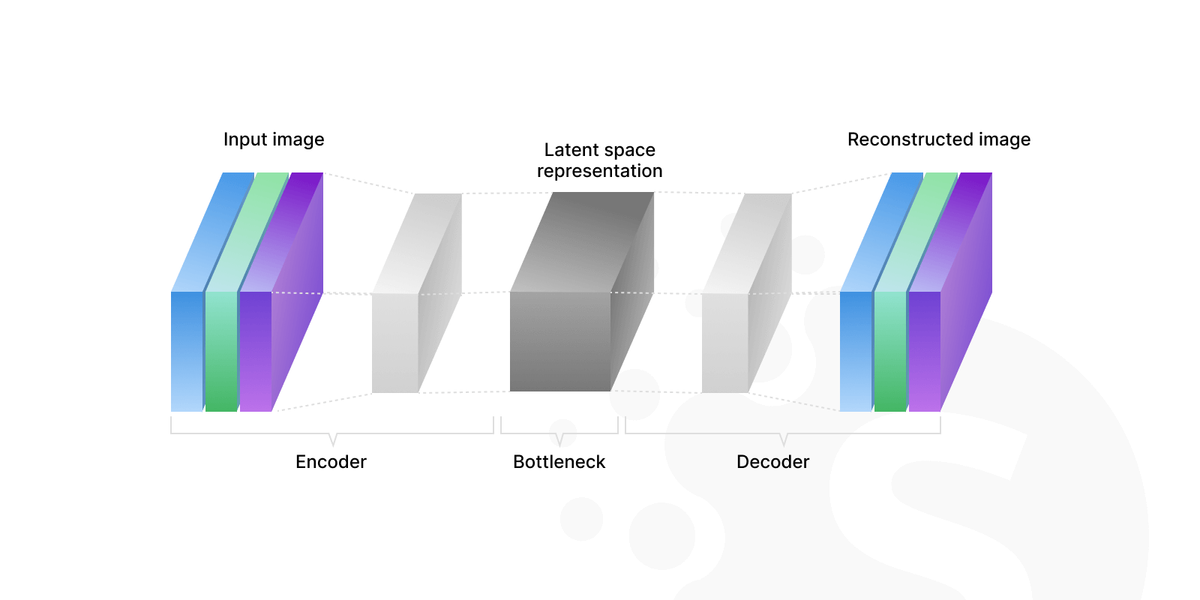
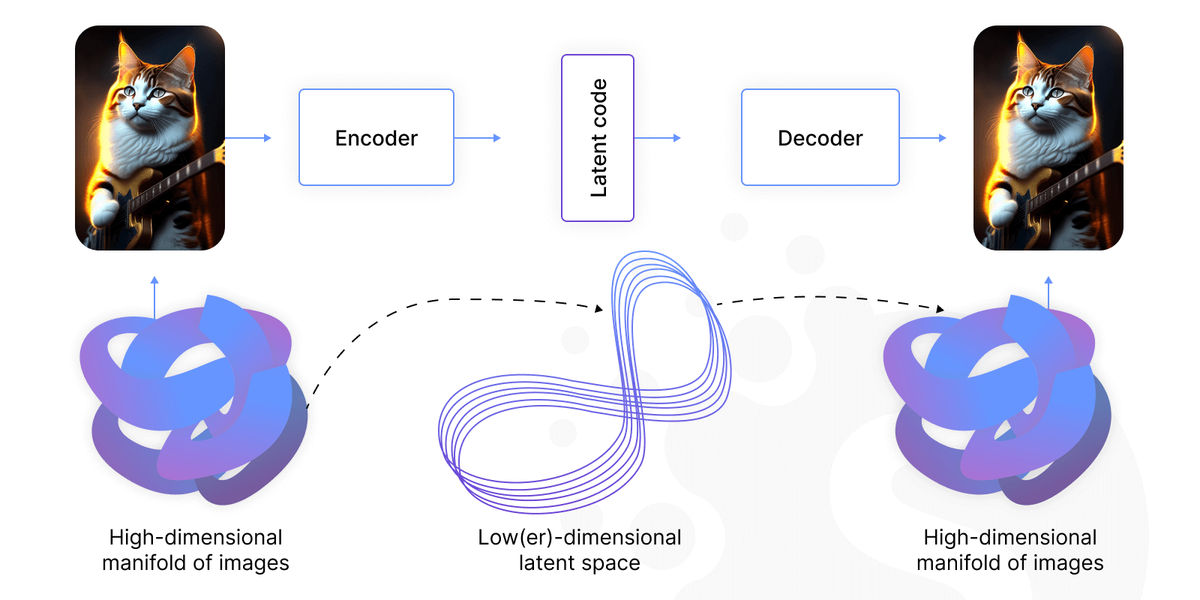
- Latent Space Exploration. Generative models learn to navigate a latent space where points can be decoded into realistic data instances. In medical imaging, moving through this space can result in slight changes to an image. For example, adjusting the presence or absence of certain features.
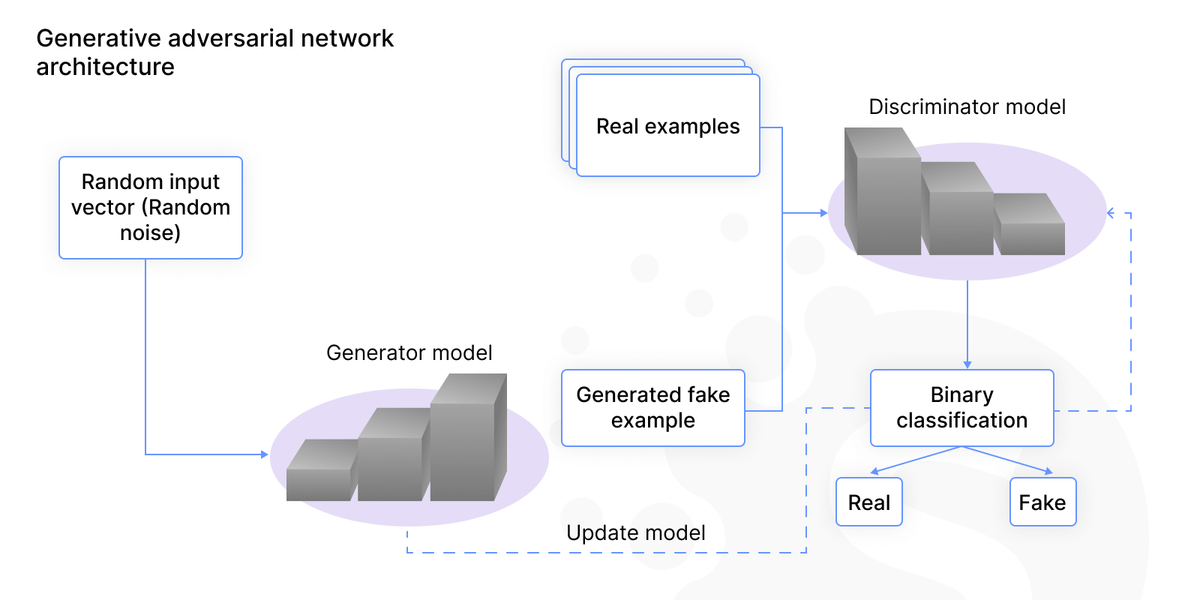
- Training via Adversarial Processes. Many generative models use two neural networks: a generator and a discriminator. The generator produces realistic data, and the discriminator distinguishes between real and generated data. The generator improves its ability to create lifelike data through this adversarial process.
Key Technologies Underpinning Generative AI
The potential of generative AI is owed to groundbreaking technological advancements. These technologies provide the foundation for many generative models today.
- Generative Adversarial Networks (GANs). GANs consist of two neural networks – the generator and the discriminator. Their adversarial training method has enabled breakthroughs in generating high-resolution and realistic images. It can be particularly valuable in medical imaging or simulations.
- Variational Autoencoders (VAEs). VAEs are probabilistic models that encode input data into a latent space and then decode it back. They're excellent for tasks that need a smooth latent space, making them suitable for certain medical imaging tasks. They may learn patterns in medical data and then generate new, synthetic data samples.
- Recurrent Neural Networks (RNNs). While primarily used for sequence data (like time series or text), RNNs can be employed in a generative capacity. They become useful when dealing with data such as patient histories or ECG sequences.
- Transformers. Originating from NLP tasks, transformers excel in capturing long-range dependencies in data. They are perfect for tasks when the sequence length and relationships are vital, as seen in DNA sequencing.
- Transfer Learning. This concept involves taking pre-trained models (usually on large datasets) and adapting them to tasks with smaller datasets. This approach speeds up the training process and improves the quality of generated outputs. It's particularly valuable in healthcare specialties with limited available data.
- Attention Mechanisms. They allow models to "focus" on certain parts of the input when generating outputs. For example, attention enables the model to prioritize critical events when analyzing a sequence of medical events. This method enhances the quality and relevance of generated data.
Types of Generative AI Relevant to Healthcare
Generative AI has brought new possibilities for leveraging healthcare data. These models offer solutions to long-standing challenges, from patient care to administrative tasks. They represent the practical applications of the foundational technologies in the healthcare context.
Natural Language Processing (NLP)
NLP focuses on the interaction between human language and computers. It enables machines to understand, interpret, and generate human language meaningfully.
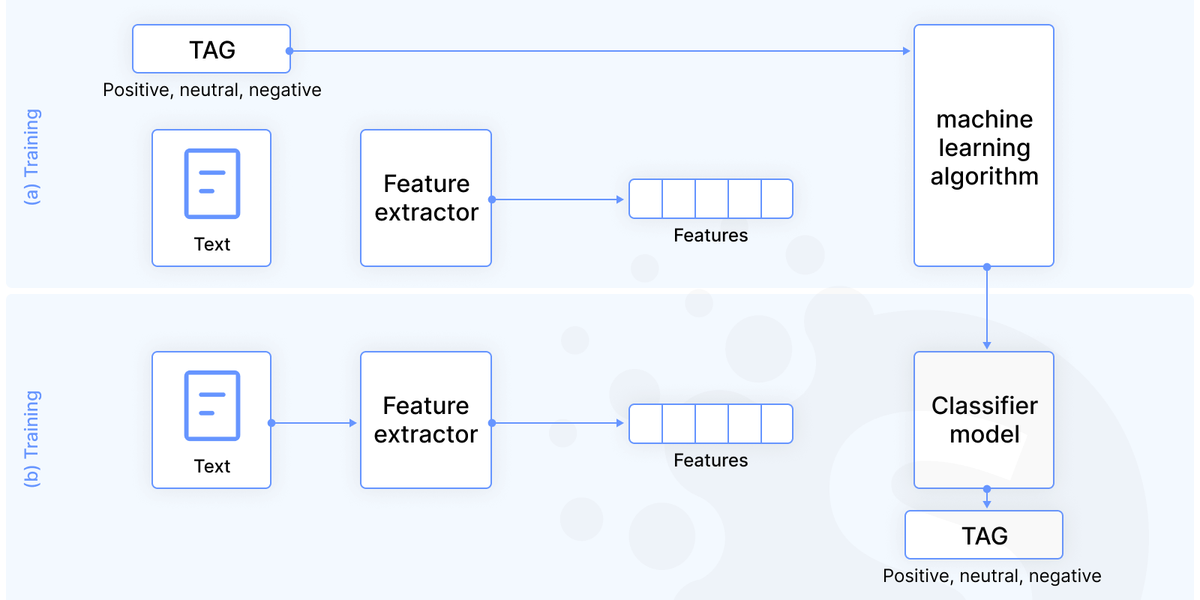
NLP may extract information from medical notes, research papers, and patient feedback. It can assist in summarizing patient histories and predicting their needs.
As NLP applications in healthcare become more refined, we could see more personalized patient care. After analyzing the patient's data, they may suggest treatments and recommendations. They can even assist in drafting research articles and reports.
Generative Adversarial Networks (GANs)
GANs generate synthetic medical images for training purposes and aid in drug discovery. They also simulate patient data for clinical trial research without compromising patient privacy. Based on historical data, GANs may enhance the resolution of medical images or predict how a disease might progress.
Autoencoders
Autoencoders are neural networks used for unsupervised learning of efficient codings. They work by compressing the input into a compact code and then reconstructing the original input from this code.
In the medical domain, autoencoders can be used for anomaly detection. After training on a large set of medical images, they can recognize deviations from the norm in new images. For example, they can identify tumors in images or detect outliers in patient medical records.
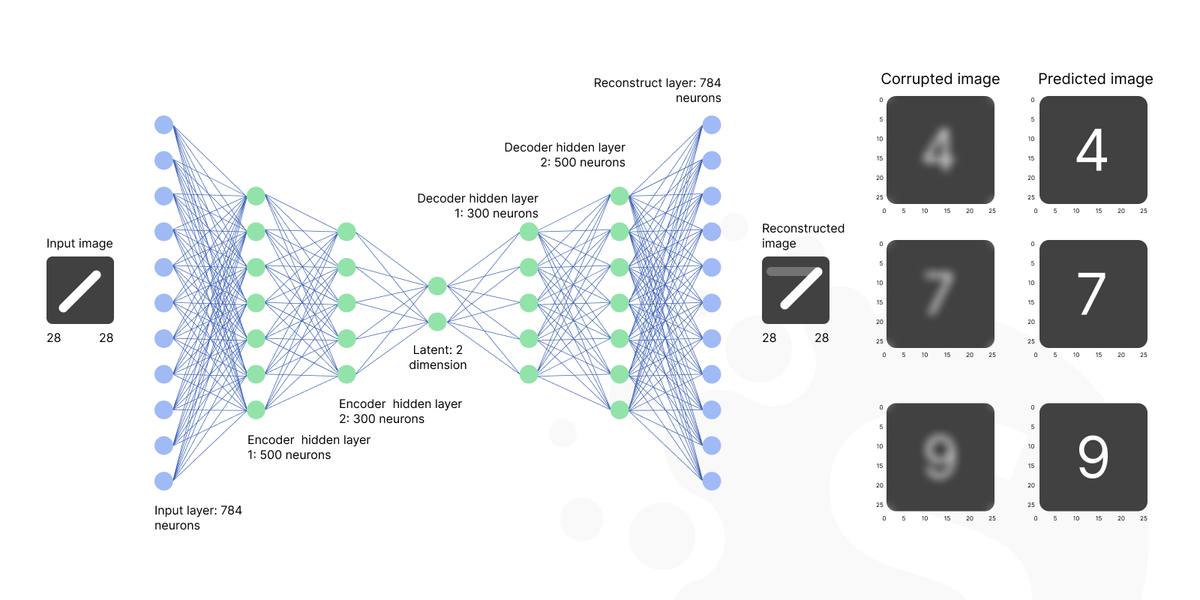
Autoencoders become skilled at improving the quality of medical images by reducing noise. They can compress extensive medical datasets with minimal information loss.
Variational Autoencoders (VAEs)
VAEs introduce a probabilistic element, allowing new, similar data samples to be generated. VAEs can create synthetic patient data for research and generate potential drug compounds. They could even simulate biological processes.
Their probabilistic nature allows for more diverse and realistic synthetic data generation. This data can further support robust medical research and simulations.
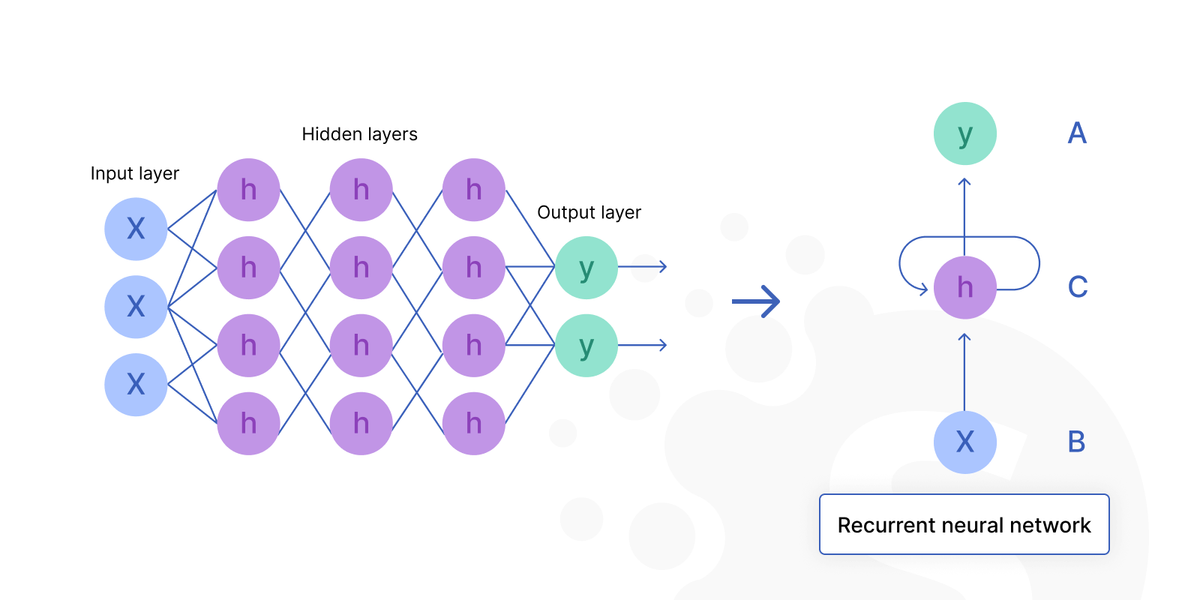
Recurrent Neural Networks (RNNs)
RNNs specialize in processing sequential data, making them perfect for time-series data analysis. They can predict patient outcomes based on data like vital signs over time or EHR histories.
RNNs can assist in forecasting disease outbreaks, patient admissions, or the progression of chronic diseases. This capability allows for proactive healthcare interventions.
Use Cases of Generative AI in Healthcare
Generative AI in healthcare opens new diagnostics, treatment, and administration possibilities. Let's delve into some of the compelling use cases that showcase the transformative potential of these models:
Diagnostics
The integration of generative AI enhances diagnosis's speed, accuracy, and predictive nature.
Automated Image Interpretation
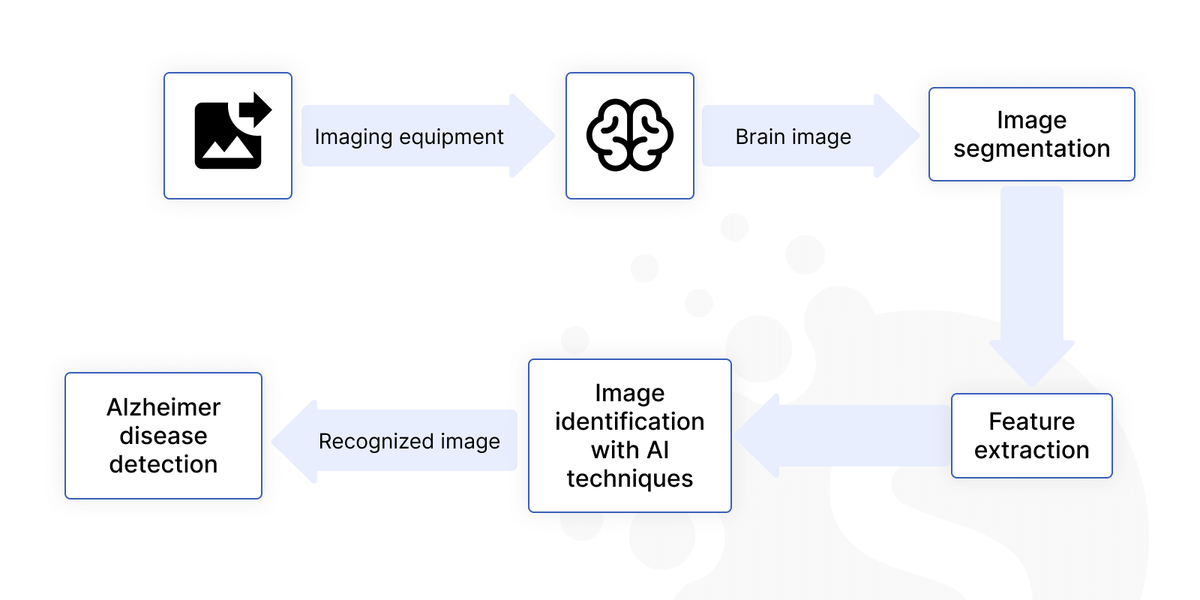
Using AI models, digital health images such as X-rays, MRIs, and CT scans can be interpreted accurately.
This capability leads to faster and more accurate detection of anomalies that the human eye might overlook. AI models reduce the workload on radiologists and allow for catching diseases in their early stages.
Disease Prediction and Identification
Generative models can analyze a patient's medical history and genetic data. Then, they can predict the likelihood of developing certain diseases or identify latent conditions.
Early identification leads to more proactive treatments and better patient outcomes. It's especially crucial in cases of chronic or severe illnesses.
Treatment Personalization
Every patient is unique, and so is their treatment. With generative AI, interventions become more tailored for each individual.
Drug Discovery and Formulation
Generative models analyze vast datasets of known compounds and their effects. Thus, AI in pharmacy can simulate molecular structures and interactions. It becomes helpful in the discovery of new drugs or optimizing existing formulations.
Treatment Plans Tailored to Individual Needs
As we've covered before, generative artificial intelligence in healthcare analyzes a patient's history, genetics, and other personal data. AI can suggest personalized treatment plans according to each patient's specific needs.
Such interventions enhance treatment efficacy, reduce potential side effects, and improve patient outcomes and experience.
Administrative Uses
Beyond patient care, the administrative facets also benefit from generative AI and healthcare tandem. These models modernize these processes, making them more efficient and streamlined.
Automating Documentation
Generative AI, especially models based on Natural Language Processing, can auto-generate clinical documentation. They can transcribe physician-patient conversations and populate electronic health records.
This automation reduces administrative burdens on healthcare professionals. Thus, they can dedicate more time to direct patient care. Moreover, patient records remain comprehensive and accurate.
Predictive Analytics for Resource Allocation
Using historical data, AI models can predict patient inflow and potential disease outbreaks. They can also forecast equipment usage, allowing hospitals to allocate resources more efficiently.
These predictions ensure optimal patient care, reduce wait times and enhance the operational efficiency of healthcare facilities.
Steps for Adopting Generative AI for Healthcare
Embracing generative AI for healthcare requires careful planning, evaluation, and execution. Here's a structured guide on the steps hospitals and clinics should consider when integrating AI into their operations:
1. Assessing Organizational Readiness
Before integrating generative AI models, the organization must ensure it's prepared for a transition. This readiness should encompass both infrastructure and human resources.
Evaluating Technological Infrastructure
The existing IT infrastructure must support the computational needs of generative AI. You must analyze server capabilities, data storage solutions, and network robustness.
A robust infrastructure ensures smooth model training, deployment, and real-time processing. These criteria are pivotal for AI-driven healthcare applications.
Staff Training and Education Needs
The introduction of new tools usually necessitates staff training. Determine the knowledge gaps and plan for workshops, courses, or on-the-job training.
A well-informed team can better leverage AI tools, using the full potential of the emerging technology. This approach also helps to avoid pitfalls related to misuse or misinterpretation.
2. Selecting the Right Vendors and Tools
The market is teeming with AI solutions. Choosing the right vendor or tool that aligns with an organization's needs is paramount for successful AI adoption.
$21.74 billion by 2032
The global generative AI in healthcare market size is projected to grow to $21.74 billion by 2032 at a CAGR of 35.14% over the forecast period from 2023 to 2032
Criteria for Vendor Evaluation
Set criteria for vendor selection, which might include the following:
- their track record in healthcare;
- client testimonials;
- customer support quality;
- the scalability of solutions;
- cost-effectiveness.
Partnering with the right vendor ensures the AI integration is tailored to healthcare-specific challenges and regulatory standards. It also means that the chosen solution can evolve with the organization's growing needs.
Open-source vs. Proprietary Solutions
Open-source solutions are customizable and generally cost-effective. However, proprietary solutions might offer specialized features and dedicated support.
The tool choice influences customization capabilities and costs. It also impacts the level of support the business can expect during and after integration.
3. Implementation and Deployment
Once ready and equipped with the right tools, the actual process of integrating generative AI begins. It starts with small-scale testing and expands to full-scale deployment.
Pilot Testing
Begin with a limited rollout to test the AI solutions in real-world settings. For instance, you may apply them to smaller datasets or specific departments. It allows you to gather feedback and identify areas of improvement.
Pilot testing helps refine the AI solution and identify potential pitfalls. It's vital to address these issues before a broader deployment.
Scaling and Integration into Existing Systems
After successful pilot tests, scale the AI solutions to larger datasets and broader applications. Ensure that these solutions seamlessly integrate with existing health systems. For example, Electronic Health Records (EHRs) or Patient Management Systems. Smooth integration ensures that AI-driven insights are readily accessible across the organization.
The Promise and Potential of Generative AI and Healthcare
Generative AI has opened up many possibilities with its ability to create and simulate data. Its capabilities may change the healthcare landscape in ways previously deemed impossible. From managing vast datasets to offering precise medical insights, let's discover what generative AI brings to the table:
Scalability: How Generative AI Can Handle Massive Data
The healthcare industry generates large amounts of data daily, from patient records to medical imaging. Managing and processing this data manually is an enormous challenge.
Generative AI can analyze patterns across these datasets. It can even simulate new data for research without compromising patient confidentiality. AI models are designed to operate at a scale that traditional systems find challenging.
$196.6 billion
The worldwide artificial intelligence market was valued at $196.6 billion in 2023
With such scalability, medical professionals can make quicker, data-driven decisions. Researchers can access richer datasets, and institutions can manage their data more efficiently.
Precision: Offering More Accurate Medical Insights
In healthcare, small oversight or misdiagnosis can have significant consequences. Generative AI models analyze intricate data with high precision, leading to more accurate insights. Whether interpreting medical images or analyzing genetic data, AI can catch details that conventional methods might overlook.
Enhanced accuracy translates to better patient outcomes, reduced errors, and a higher standard of care. It ensures patients receive timely and precisely aligned with their needs of care.
Reducing Costs: Automation and Efficiency
Rising healthcare costs are a global concern, so professionals seek solutions to provide quality care without escalating expenses. Generative AI can automate processes from diagnostics to documentation. It reduces the need for manual interventions and streamlines operations, cutting down costs.
With generative AI, healthcare institutions can redirect resources to critical areas, enhancing patient care while keeping expenses in check.
Democratizing Healthcare: Bridging the Healthcare Gap
Access to quality healthcare is a universal need. Yet disparities exist, often dictated by geography, socio-economic factors, or infrastructure.
Generative AI can create synthetic data for research in data-scarce regions. Telemedicine powered by AI-driven diagnostics can be deployed anywhere. Thus, AI bridges the gap between those without ample healthcare resources. Quality healthcare becomes more accessible, regardless of location or socio-economic status.
In Summary
The promise of generative AI for healthcare goes beyond technological advancements. Whether it's creating realistic simulations for medical training, generating synthetic datasets to bolster research without compromising patient privacy, or aiding in drug discovery by proposing new molecular structures, the potential of generative AI in revolutionizing healthcare is immense.
Interested in applying generative AI to enhance healthcare in your organization? Contact our team at Softermii to explore how our expertise can elevate your facility's capabilities and patient care.
Generative AI in healthcare enhances the proficiency of machine learning models in diagnostics and predictions
Frequently Asked Questions
What are the risks of adopting generative AI in healthcare?
Potential challenges include the following:
How does Generative AI differ from other AI types?
Generative AI to produce new data samples that resemble a given dataset. Most other AI models focus on analyzing or processing existing data. In healthcare, traditional AI might analyze an X-ray to detect abnormalities. Generative AI could produce a synthetic X-ray based on patterns it has learned.
How to choose the right Generative AI vendor?
Choosing the right Generative AI vendor requires considering several factors:
Consider data security protocols, ethical AI practices, and the flexibility to customize solutions.
How can healthcare institutions ensure data privacy with Generative AI?
Institutions should employ stringent data encryption methods and access control. They should use anonymized data for training AI models. It's crucial to conduct regular audits and adherence to data privacy regulations. You must also ensure that AI models do not inadvertently recreate personal identifiers from synthetic data.
Can Generative AI replace healthcare professionals?
Generative AI can automate certain tasks and improve efficiencies but is not designed to replace healthcare professionals. It is a tool that aids healthcare workers, enhancing their capabilities and allowing them to provide better patient care. Medical professionals' human touch, expertise, and ethical decision-making remain irreplaceable.
How about to rate this article?
5 ratings • Avg 5 / 5 · Thanks for rating!
Written by:

CEO & Co-Founder
Slava Vaniukov is the CEO and Co-Founder of Softermii, with more than 10 years on the front lines of software development. He has spent that decade helping founders and enterprises turn ambitious ideas into products that ship — and that perform. Apps built by his teams have been featured on multiple “Top 10 Best App…