

Patient Portal Development Guide 2023: Features and Cost

Want to know more? — Subscribe
Patient portal development has become essential for modern healthcare to succeed. Portals empower patients to participate in and manage their care from home…
Patient portal development has become essential for modern healthcare to succeed. Portals empower patients to participate in and manage their care from home actively. This ongoing communication and access to records support patient education and self-care.
Softermii ensures HIPAA-compliant virtual care and seamless healthdata integration. Our expertise includes developing platforms like InfoMed Telehealth, HIPAA Telmed, MedRealtime, and My Health Explained. These solutions serve the unique patients' needs, emphasizing healthcare coordination.
With this experience, we developed a guide for seamless patient portal software and app development. You'll discover the role of the patient portal, its specific features, and the development stages. We also present the case studies of the facilities that integrated such a portal.
Want a skimmable version?
Get a quick overview of our article with AI to access all the important information quickly.
Generate AI SummaryHide summary
Want a skimmable version?
Get a quick overview of our article with AI to access all the important information quickly.
Generate AI SummaryHide summaryA 2023 patient portal development guide — the role of portals, key features, and the development stages.
The Role of Patient Portals
With the need for seamless communication and quick access to information, patient portals are a must. They connect patients and providers online, transforming the experience for both parties. Let's explore their benefits and how they transform healthcare communication and data access.
Project Calculator
Get the detailed project estatimation – choose the details of your product and calculate the quote of the development
Calculate nowBenefits for Patient
Immediate Access to Health Records
Individuals can easily view their medicalhistory, test results, and medications. Patients become more proactive about their health.
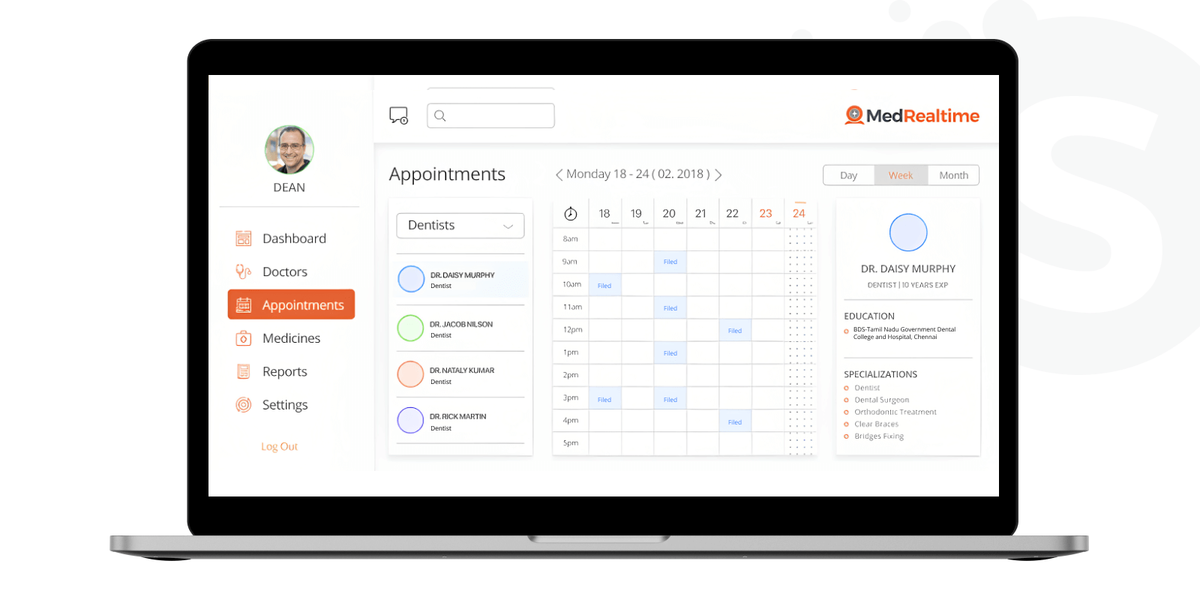
Appointment Scheduling and Reminders
There's no more need to wait on the phone call or navigate automated systems. Users can schedule, reschedule, or cancel appointments, reducing wait times and enhancing convenience.
Prescription Refills
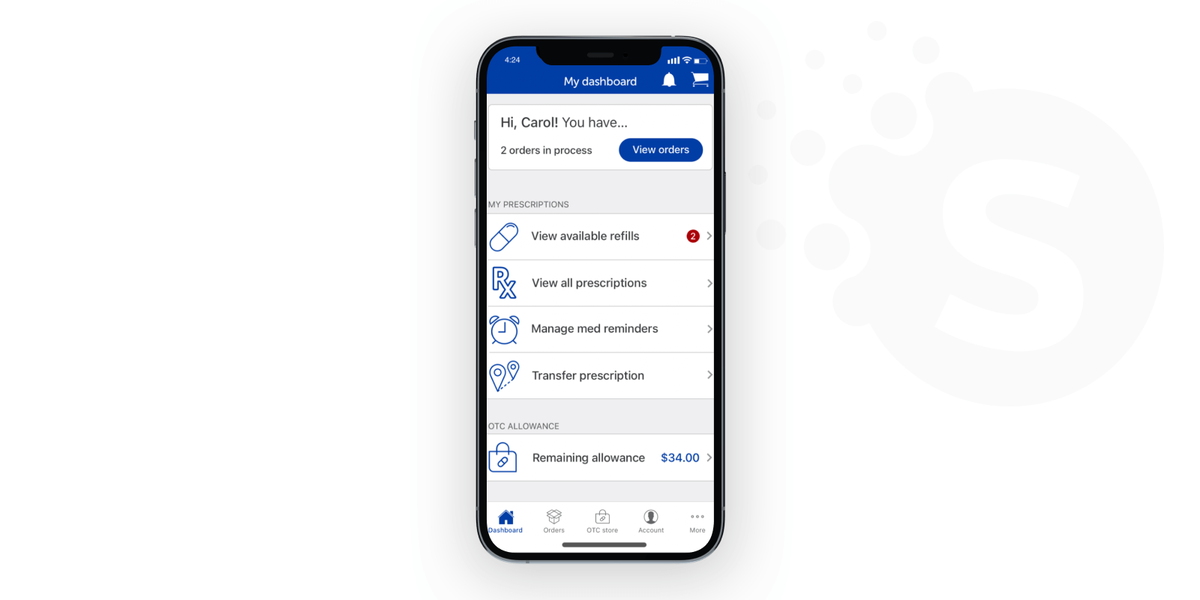
Instead of in-person visits each month, patients can request medication refills from the portal, streamlining the process.
Educational Resources
Patients are provided with materials about their conditions or treatments. It gives them power through health knowledge.
Benefits for healthcare providers
Improved Data Accuracy
As patients update personal information, providers get more up-to-date data. It is often crucial for treatment decisions.
Reduced Administrative Burden
With the ability for patients to schedule their appointments and request prescription refills, staff can focus on more urgent tasks.
Efficient Communication
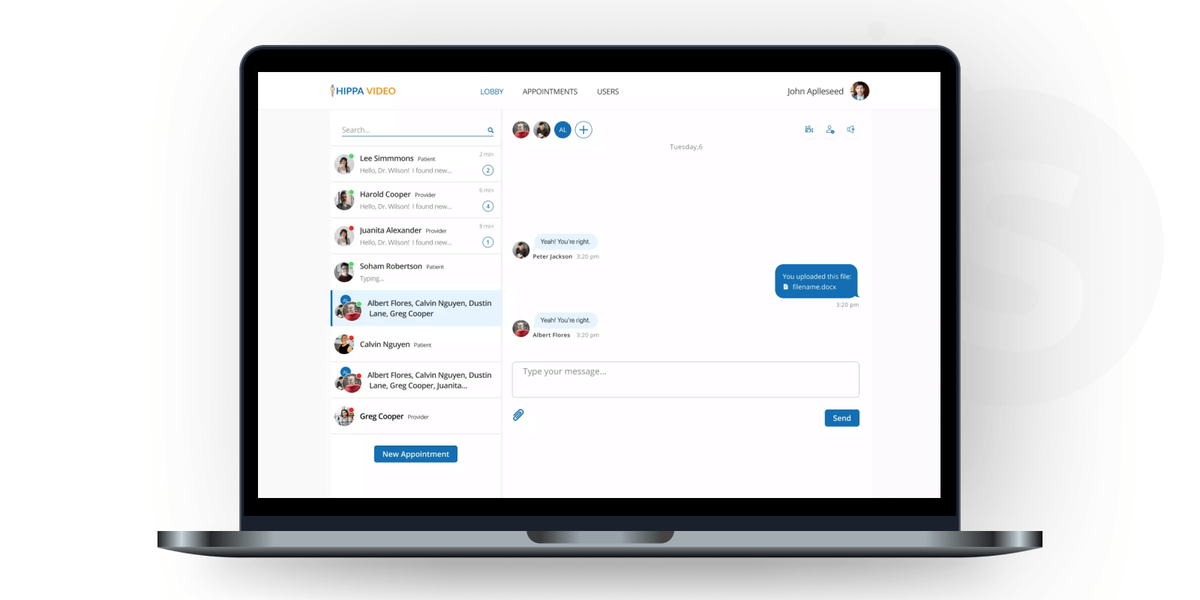
Rather than sorting emails or voicemails, providers can message patients on the portal. All communication is secure and stored in one place.
Enhanced Patient Engagement
Sharing relevant resources becomes easier, encouraging patients to participate in their health journey actively.
Key Features and Functionalities of Patient Portal Software
Patient portal software development allows patients to interact with healthcare providers and manage their personal healthinformation. Its unique features allow patients to enjoy more autonomy and engagement in their healthcare journey.
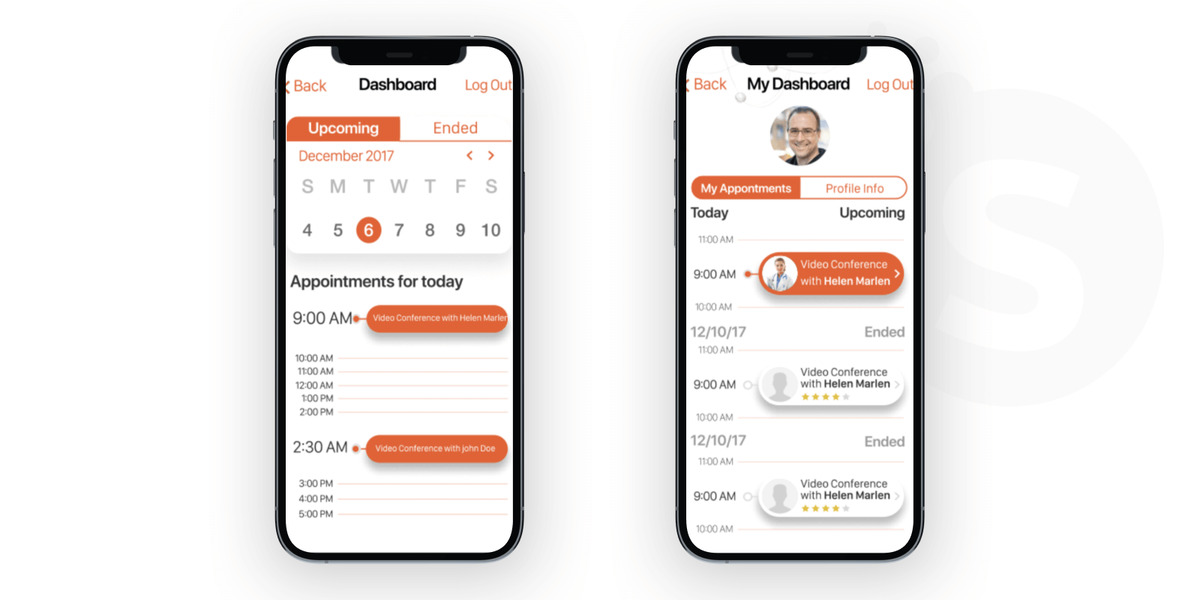
Appointment Scheduling and Reminders
This feature allows users to manage their visits through online booking, rescheduling, or cancellation. Automated reminders can notify patients of their upcoming appointments. Doctor appointment app development allows for reducing the amounts of missed hospital visits and promotes continuity in care.
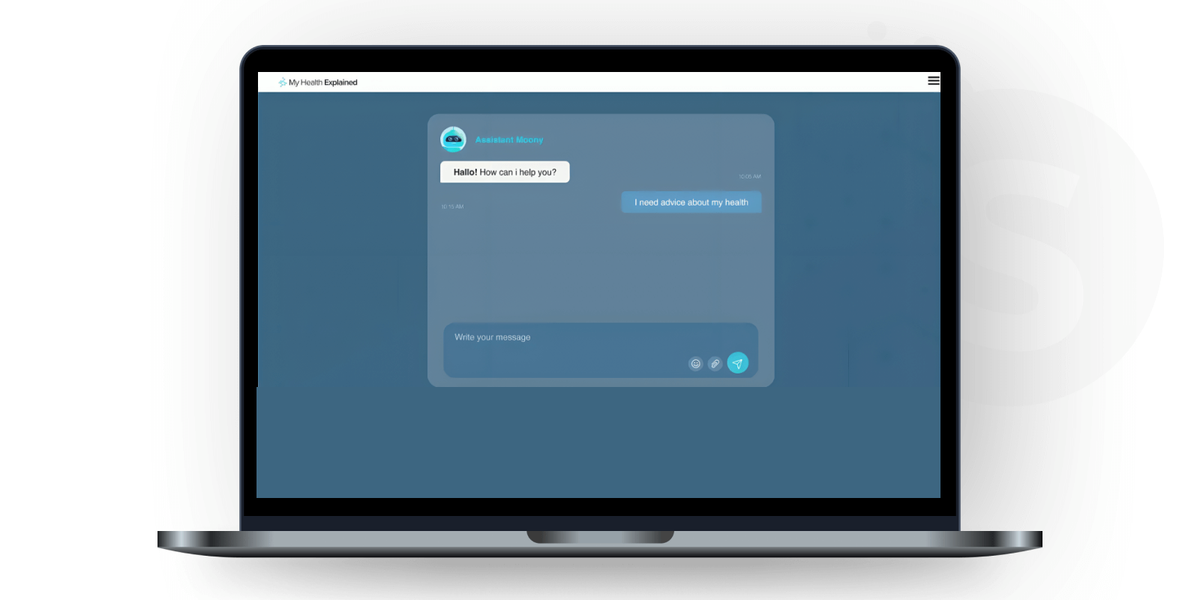
Chatbots
The chatbot integration within portals changes the communication between patients and providers. These AI assistants can navigate users through the portal and address commonly inquired topics. They could even help with appointment scheduling. Their 24/7 availability enhances the user experience and reduces administrative workloads on healthcare staff.
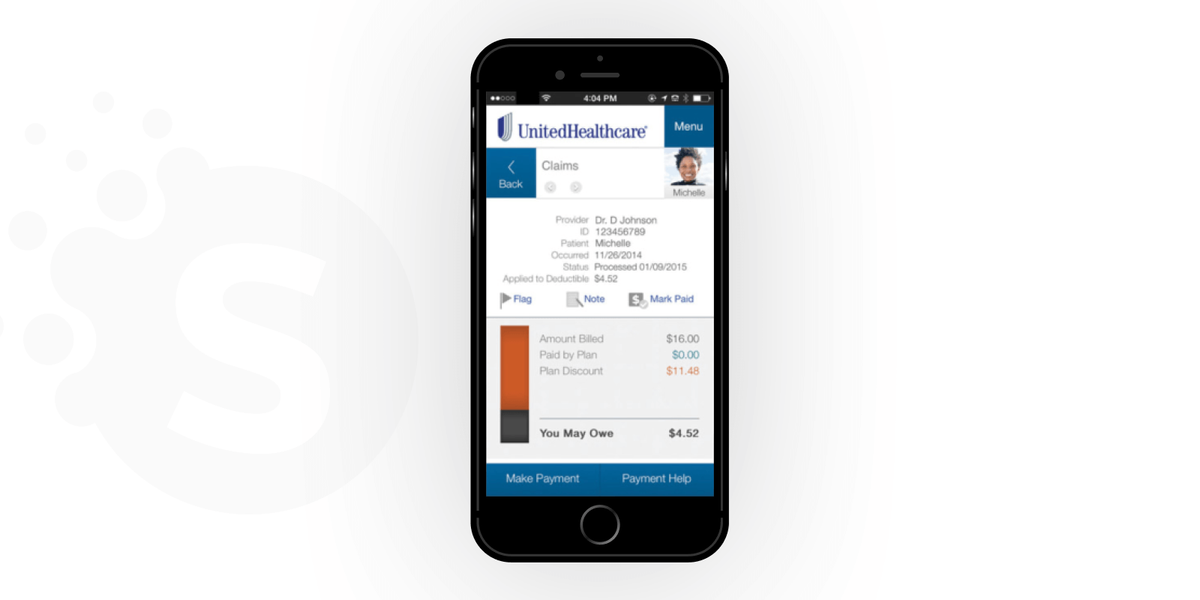
Secure PaymentFeature
Patient portals let you pay your medical bills from your device. Doctors can also get their money immediately instead of using different payment methods.
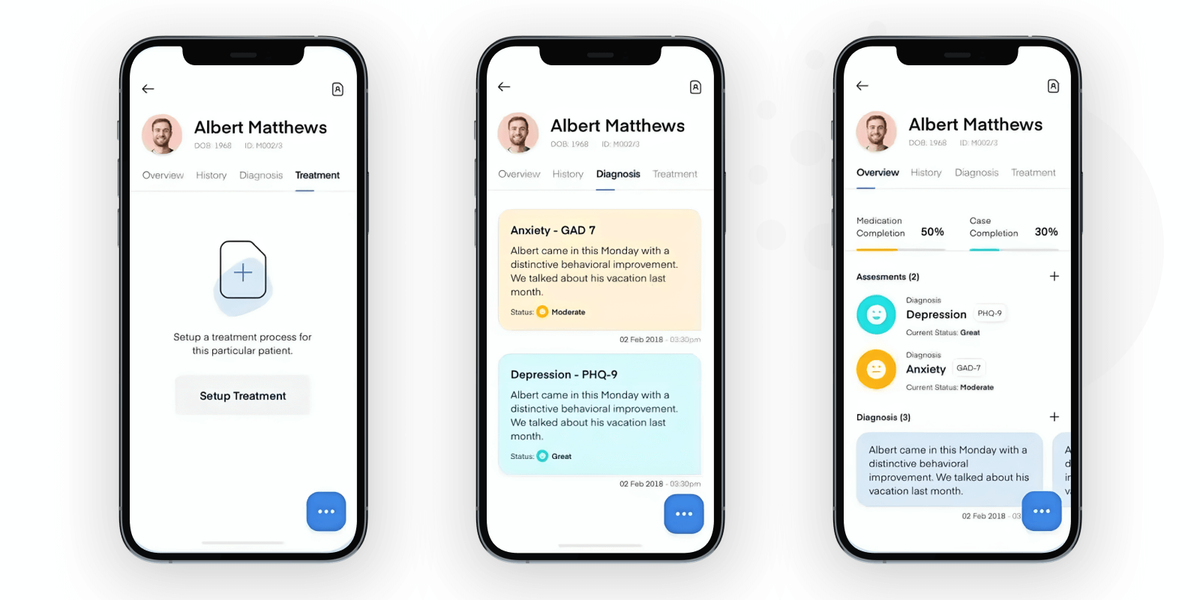
Personal Profiles
A profile page in a portal system stores all the patient's healthdata in one place. It includes their medicalhistory, personal details, and doctors' records. Centralizing all the information makes these data accessible for both patients and providers. This approach ensures accuracy and facilitates an informed decision-making process.
Management of Personalized Patient Data
Beyond the basic personal profiles, modern patient portals also focus on managing personalized patient data. Individuals can review, edit, or update their health records. They can track their metrics, manage their medications, and even integrate data from wearables. The portal becomes a patient hub, giving them more control and clarity over their health journey.
Educational Resources
Integrated educational resources can offer articles, videos, and other informative content about patients' conditions, medications, or treatments. By empowering patients with knowledge, they can make informed decisions about their health.
Step-by-Step Patient Portal Development
Each stage in the patient portal process development is important. It ensures the platform will be functional, secure, and helpful to healthcare providers and patients.
Discovery and UX/UI Design
The discovery phase involves understanding the needs of the patients and healthcare providers. It involves interviewing potential users and identifying their pain points and desired features. Guided by this knowledge, UX design crafts an intuitive workflow for the portal. UI design focuses on visual elements, making the portal aesthetically pleasing and facilitating seamless navigation.
Development
Software engineers and developers bring all the designs to life during this phase. Special focus is given to integrating appointment scheduling, secure messaging, and payment features. Security must be highly prioritized to protect sensitive patient information.
Testing and Launch
After development, functionality, usability, security, and performance must be tested. Engineers ensure that it aligns with the identified needs from the discovery phase.
Once passing all the tests, the portal is launched for users. The process may begin with a pilot group, allowing for incorporating any final feedback.
19.44%
The global patient portal market size is expected to grow at a CAGR of 19.44% from 2023 to 2030
Technical Documentation
This documentation details the patient portal software and app development, architecture, and functionalities. It becomes a guide for future upgrades, troubleshooting, and for any new developers who might join the project later.
Cost to Develop Patient Portal Software
Now, we've come to the financial aspect of the portal development. The following table approximates the investments required for each stage we discussed in the previous section. Please keep in mind that these prices are estimates and may vary. We recommend contacting your development team for more precise figures tailored to your business needs.
| Development Stages | Hours | Cost | |
|---|---|---|---|
| 1 | Discovery and UI/UX Design | 280 hours | $11 200 |
| 2 | Development | 640 hours | $25 600 |
| 3 | Testing and Launch | 240 hours | $9 600 |
| 4 | Technical Documentation | 40 hours | $1 600 |
| Total: | Total: | 1200 hours (6-7 months) | $48 000 |
Note, that this breakdown is just approximate, if you want to get precise cost estimation, do not hesitate to contact our team for a free quote.
Developing a patient portal software is already a large investment. The price depends on the complexity and scale of the project. Still, there are a few more factors to consider, which could add to the final app cost.
Design & Development Costs
Creating a user-friendly experience mandates investment in UX/UI design. The cost can vary depending on the depth of design required and the number of iterations. Software or platform licensing and portal integration with EHRs or third-party apps are added expenditures.
Security & Compliance Costs
Data security and patient record safety are paramount in healthcaremobile app development. We strongly advise implementing encryption tools, securing server infrastructure, and conducting regular security audits. Yet, it can be quite costly. Validating compliance with relevant healthdata regulations also requires investments in specialized tools and expertise.
Maintenance & Ongoing Costs
You may need to prepare for the recurring costs of a server, particularly with cloud hosting. Other considerations are:
- technical support and helpdesk services for users;
- regular software updates;
- data backup and disaster recovery systems;
- training costs for healthcare staff and patients.
Miscellaneous Costs
Reaching a broader audience requires marketing and outreach investments. Consider paying for legal services, terms of service drafting, and user and licensing agreements involved in portal development.
Think of the costs to build a patient portal softwareas a long-term investment. Although the initial expenses can be high, the lasting benefits, such as improved efficiency, better patient outcomes, and stronger doctor-patient relationships, make it a valuable choice.
Real-World Examples and Case Studies
Various healthcare organizations have implemented patient portals, enhancing patient care and operational efficiencies. We present real-world cases of organizations that have set benchmarks in patient portal development.
VA's My HealtheVet
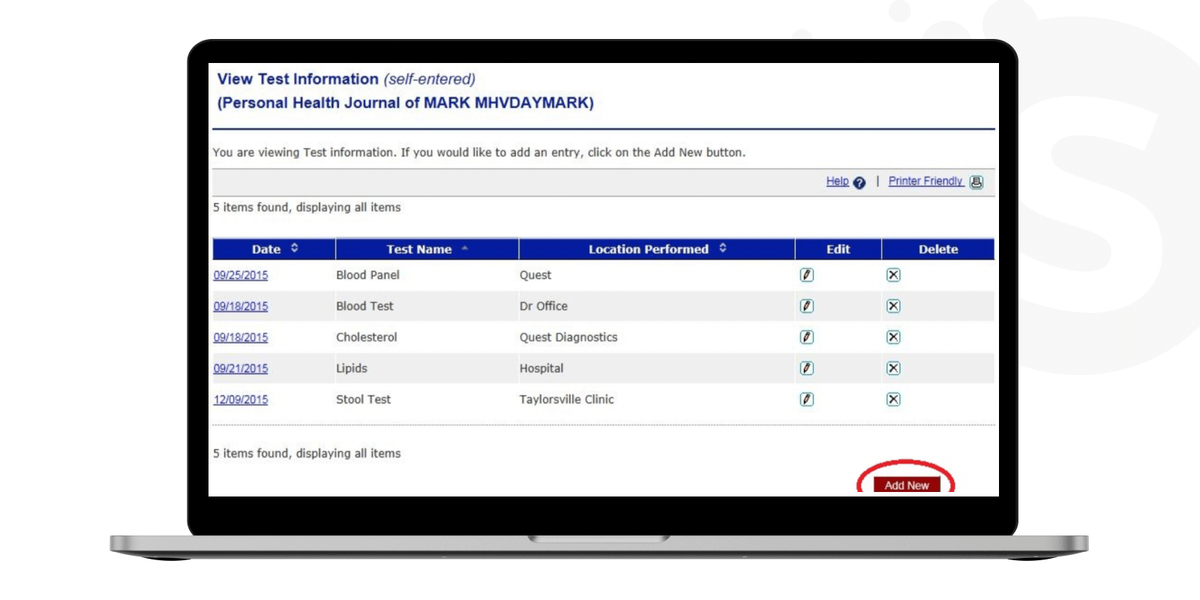
The U.S. Department of Veterans Affairs (VA) has designed My HealtheVet for veterans. The portal allows them to track military healthhistory and access VA health records. It also helps them and their families recognize and manage mental health issues. My HealtheVet has a library where patients can find useful articles and stay well-informed about their health.
Cleveland Clinic
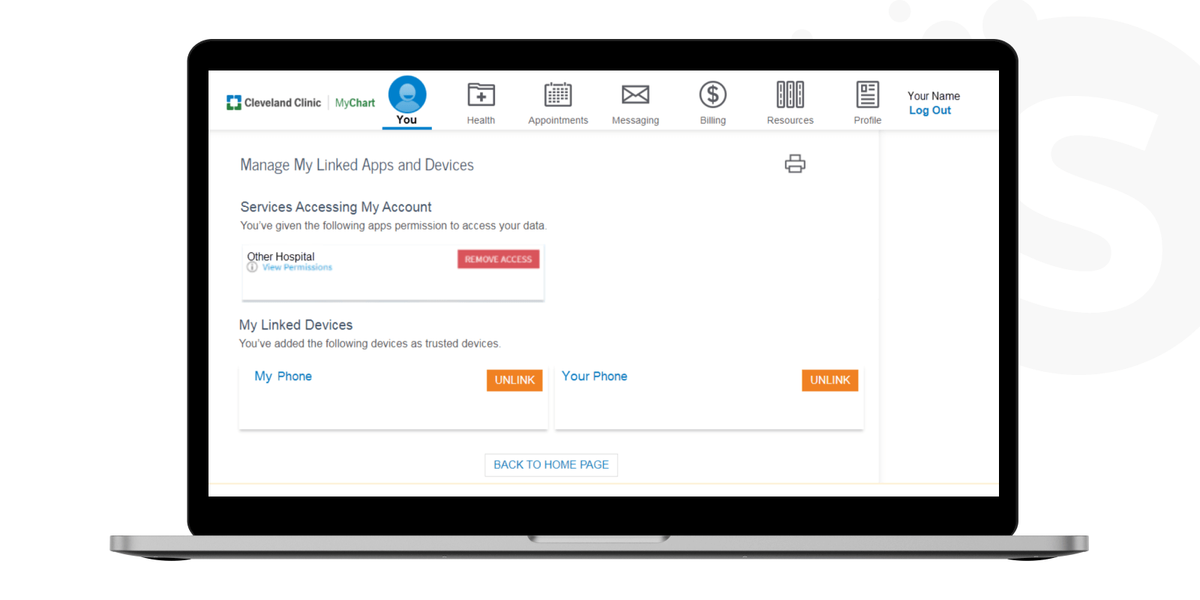
The Cleveland Clinic's "MyChart" is a type of portal that provides patients with a 360-degree view of their health. Beyond scheduling visits and accessing records, the platform allows for monitoring health metrics and managing medications. Its telehealth solution enables virtual consultations between providers and patients across geographical barriers.
Kaiser Permanente
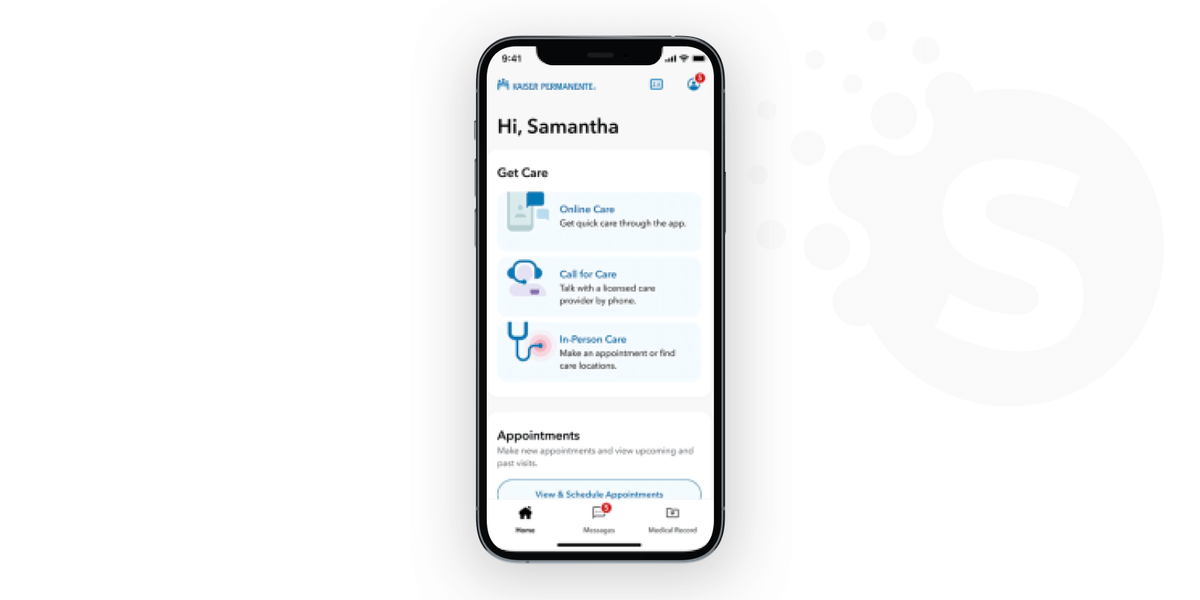
Kaiser Permanente's portal emphasizes preventative healthcare. It is available both on their website and as a mobile app. Patients receive personalized reminders and can participate in virtual wellness programs through the portal. Many educational resources are also available, empowering patients with information. Additionally, the secure messaging capability enables direct communication between patients and providers. It becomes simpler to receive timely healthcare guidance outside of traditional in-person visits.
InfoMed Telehealth by Softermii
InfoMed Telehealth offers easy access to practitioners through telehealth consultations, support chat, and an information hub. The platform is a patient portal where users can schedule and conduct telehealth visits. Collaborating with various partners provides valuable resources on diverse health topics. InfoMed users can manage their custom needs while accessing support alongside informative content.
Emerging Trends in Patient Portals for 2023
2023 is another year of significant advancements in the patient portal development world. These changes are driven by a blend of technological innovations and an emphasis on patient-centric healthcare. Some clear trends have emerged, shaping the future of patient portal development and healthcare tech.
Artificial Intelligence
The use of AI chatbots has become increasingly common in healthcare. AI chatbots in online portals help patients with common queries. Meanwhile, AI analyzes vast patient data to identify patterns revealing individual needs. It then generates personalized action plans to support patient health proactively.
Internet of Medical Things
The IoMT connects medical devices and apps through online networks. It includes technologies for remote patient monitoring, tracking their medication orders and in-hospital locations. Additionally, IoMT integrates data collected from wearable mHealth tools. Combined with EHR, IoMT can streamline care coordination and empower at-home patients or caregivers through access to timely medicalinformation.
AR and VR for Education and Diagnosis
AR/VR programs allow for innovative delivery of educational content and interactive learning experiences. They also empower patients through virtual 3D visualizations. Patients can better understand their anatomy, health conditions, and potential treatments.
Remote Patient Monitoring
It is a telehealth option for providers to monitor chronic conditions outside of in-person visits. This approach lowers the chance of infections and cuts down on travel costs. Remote data collection allows providers to access patient condition records and ensure medical plans stay on track.
Wearable Devices
With a patient's informed consent, wearables can monitor heart rate, blood pressure, and oxygen levels. Continuous monitoring may detect potential health issues and inform the patient and the provider.
Privacy and consent should always prioritize maintaining patient trust using these technologies. They must know how their information is collected, stored, and shared in wearables.
Conclusion
Patient portals are a technological advancement and a paradigm shift in healthcare. They make care more collaborative, informed, and personalized. By enhancing communication and access to information, portals establish their role in the future of patient-provider interactions.
This guide has covered the main considerations and best practices for making a user-friendly patient portal. The Softermii team of experts can assist in delivering HIPAA-compliant digital health solutions that boost workflows and the patient experience. Contact us today to discuss the details and create a patient portal software tailored to your patient's needs.
With the need for seamless communication and quick access to information, patient portals are a must
Frequently Asked Questions
How long does it take to integrate a patient portal?
The time frame varies depending on the size and complexity of the healthcare organization. On average, portal integration takes at least 6-7 months. Any advanced or additional features may add up in time and costs.
Can patients allow family members to access their portal accounts?
Many portals let a patient's trusted person access their data through "Proxy Access." With the user's consent, it allows the review of a full or limited amount of data. Patients should check their portal for policies on permitted proxy relationships.
What technical systems need to be integrated?
A patient portal must integrate with the EHR/EMR system to show real-time healthdata. Organizations may consider integrating back-end systems for scheduling, billing, and messaging. FHIR API standards may help streamline this process.
How is portal security and compliance implemented?
Role-based access controls, encrypted connections, strong authentication methods, and regular security audits help portals maintain HIPAA compliance. User credential management and change frequency policies are validated. Additional controls address access logging, activity monitoring, and incident response plan testing.
Can patients integrate data from wearable health devices into the portal?
Many modern portals allow patients to connect compatible wearable devices and fitness trackers. Reviewing activity and biometric data alongside their clinical records in the portal becomes possible. This integrated view supports longitudinal care and preventative health goals.
How about to rate this article?
37 ratings • Avg 4.6 / 5 · Thanks for rating!
Written by:

CEO & Co-Founder
Slava Vaniukov is the CEO and Co-Founder of Softermii, with more than 10 years on the front lines of software development. He has spent that decade helping founders and enterprises turn ambitious ideas into products that ship — and that perform. Apps built by his teams have been featured on multiple “Top 10 Best App…