
Mobile Health App Development Guide: Types, Benefits, Features and Costs

Want to know more? — Subscribe
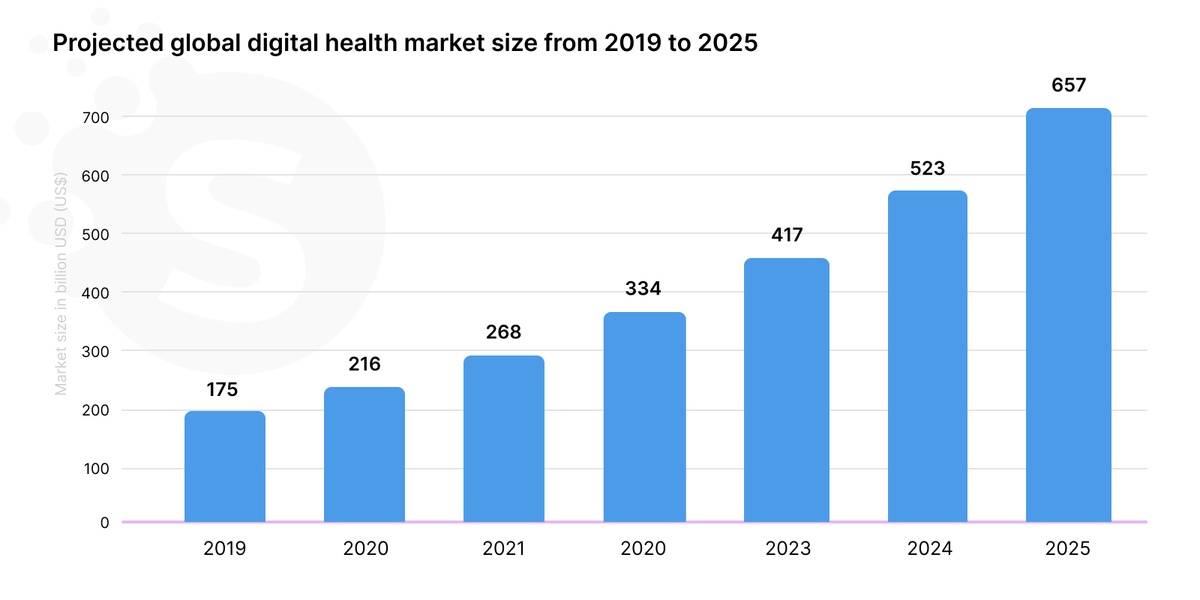
Healthcare mobile app development has taken off in recent years. In 2022, the worldwide digital health market had a valuation exceeding $330 billion.
Healthcare mobile app development has taken off in recent years. In 2022, the worldwide digital health market had a valuation exceeding $330 billion. Recent projections indicate that by 2025, this number is anticipated to surpass $650 billion. The primary factors propelling this expansion are anticipated to be mobile health and wireless health technologies.
In this article, you will learn about the most significant health mobile app features and steps on how to build a medical app. Our advice is based on Softermii’s experience with real-life projects such as HIPAA Telmed, MedRealtime and Infomed Telehealth.
Want a skimmable version?
Get a quick overview of our article with AI to access all the important information quickly.
Generate AI SummaryHide summary
Want a skimmable version?
Get a quick overview of our article with AI to access all the important information quickly.
Generate AI SummaryHide summaryA mobile health app development guide — types, benefits, must-have features, and the difference between health and medical apps.
Why Healthcare Tech Has Become Crucial for the Industry
In the United States, the healthcare sector emphasizes the importance of medical technology, research, and innovation. With an estimated revenue of $2829.6 billion in 2022, the industry demonstrates its commitment to these areas.
We can clearly see that the role of healthcare technology is becoming increasingly important. The innovation will help the industry reach new heights, such as early disease identification or prevention.
Numerous companies already know how to create a health app users will appreciate. More and more patients try to solve their health issues through medical software without even leaving their homes.
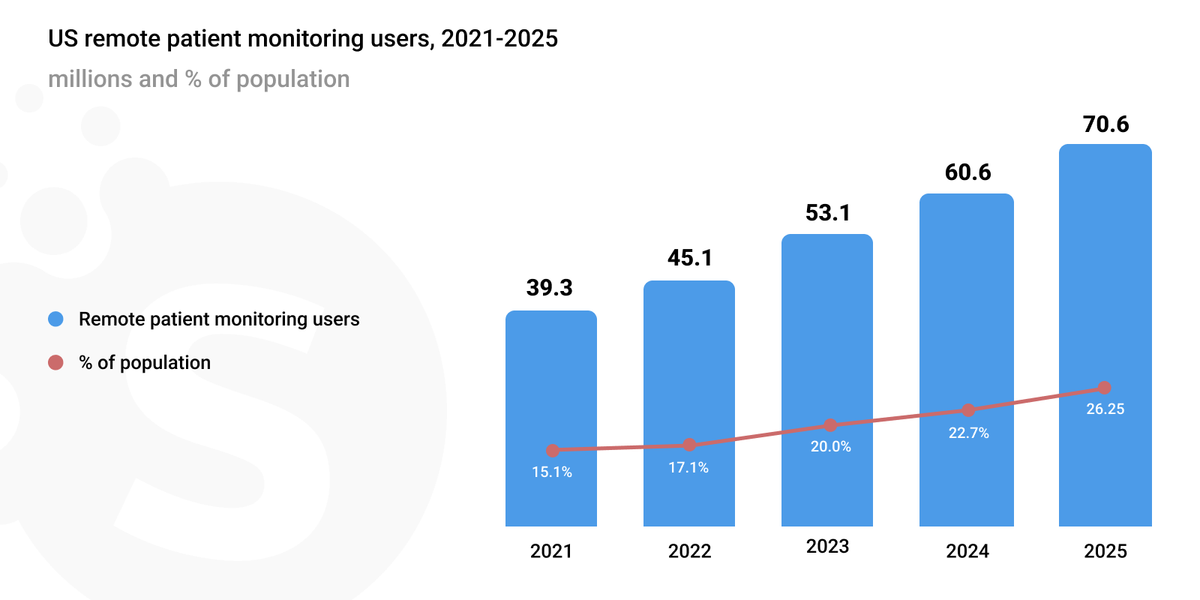
Insider Intelligence predicts that by 2025, the number of remote patient monitoring users in the United States, including telemedicine users, will reach 70.6 million. This represents a significant increase of 56.5% compared to 2022.
That’s why healthcare facilities need to think about health tech investments. It is a large niche with various app development prospects.
Choose among 120 software specialists
Hire an offshore dedicated team or a few team members for your project. We guarantee 10% of deviation in deadlines and cost.
Hire a teamBenefits of Building a Custom Healthcare Apps
Before diving into the tips and tricks of developing custom healthcare applications, let's first explore the benefits these tailor-made solutions can provide for doctors and patients. Because the benefits of healthcare apps for patients and doctors differ from each other. Uncover how custom healthcare apps can streamline workflows, improve communication, and enhance the overall healthcare experience.
Benefits for Doctors
Streamlined Workflow
Custom healthcare applications can help doctors optimize their daily tasks by automating routine processes, leading to improved efficiency and time management.
Enhanced Patient Monitoring
Custom applications can provide doctors with remote access to patient data, allowing them to monitor patients' health in real time and make informed decisions quickly.
Improved Communication and Collaboration
Custom healthcare apps can facilitate seamless communication between doctors, patients, and other healthcare providers, fostering a collaborative environment for better patient care.
Increased Data Security
Tailor-made healthcare applications can be designed with robust security measures, ensuring protection of sensitive patient information and compliance with industry regulations.
Benefits for Patients
Convenient Access to Healthcare
Custom healthcare applications allow patients to access medical services remotely, reducing the need for in-person visits and offering convenience, especially for those with limited mobility or who live in remote areas.
Personalized Healthcare Experience
These applications can be designed to cater to individual patient needs, offering a personalized healthcare experience that considers each patient's unique medical history and preferences.
Enhanced Patient Engagement
Custom healthcare apps can provide patients access to their medical records, treatment plans, and educational resources, promoting active engagement in their healthcare journey.
Better Health Tracking and Management
With the help of custom healthcare applications, patients can easily track and manage their health data, monitor progress, set reminders for medication, and receive timely feedback from healthcare providers.
What is the Difference Between a Health App and a Medical App?
When it comes to mobile health applications, understanding the distinction between health apps and medical apps is crucial. While both applications focus on health and well-being, their specific features, target audiences, and intended uses differ.
Health Apps:
- Wellness and Lifestyle Focus
Health apps primarily target general well-being and lifestyle improvements. They often provide features such as fitness tracking, diet management, stress reduction, and sleep monitoring.
- Broader Audience
These applications cater to a wide range of users looking to improve their overall health and wellness. They are typically not designed for specific medical conditions or treatments.
- Preventative Care
Health apps promote healthy habits and encourage users to adopt a proactive approach to their well-being, aiming to prevent potential health issues in the long run.
- Less Stringent Regulation
Since health apps usually do not provide medical advice or handle sensitive medical data, they are subject to less strict regulatory requirements than medical apps.
Medical Apps:
- Medical Conditions and Treatment Focus
Medical apps are designed to address specific medical conditions or assist in managing and treating various health issues. They often include medication reminders, symptom tracking, and disease-specific education.
- Targeted Audience
These applications cater primarily to patients diagnosed with specific medical conditions or healthcare professionals, such as doctors, nurses, and therapists.
- Diagnostic and Therapeutic Support
Medical apps serve as an adjunct to clinical care, offering diagnostic and therapeutic support to healthcare providers and patients.
- Stringent Regulation
As medical apps deal with sensitive patient information, medical advice, and sometimes even diagnostic or treatment functionalities, they are subject to rigorous regulatory requirements to ensure safety and efficacy.
By understanding the differences between health apps and medical apps, developers and users can better identify the appropriate type of application to meet their specific needs and requirements.
What to Consider Before Developing a Health App
What Is the Purpose of Your Healthcare App
Medical app features vary hugely from app to app. Before deciding what hospital app features to include in your development, you first need to think about your tech solution’s purpose.
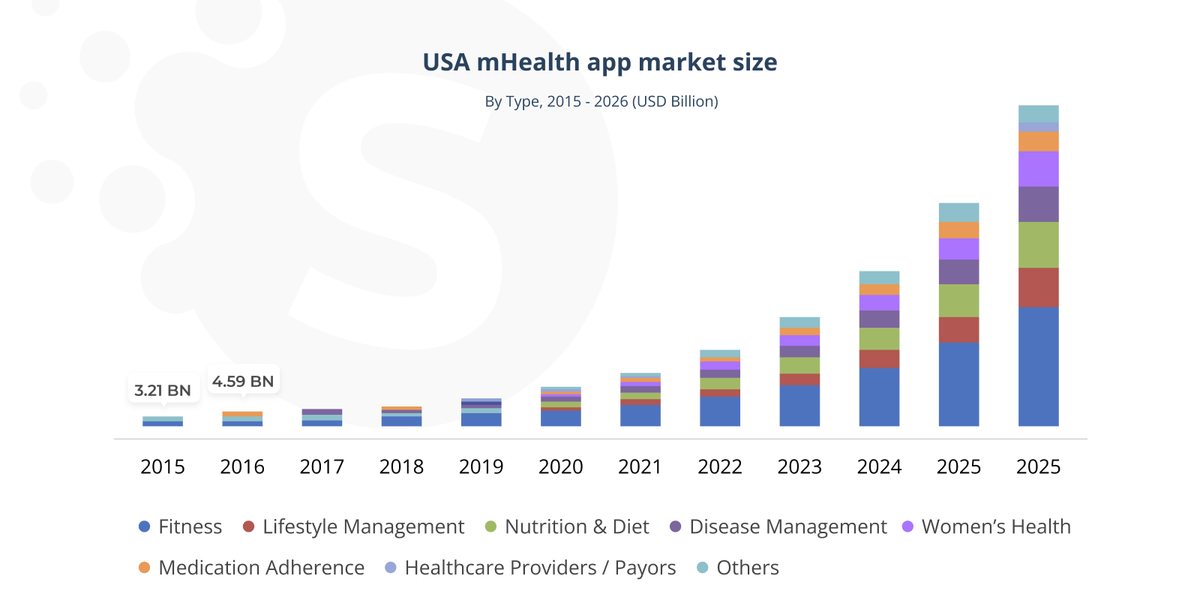
Here are some mHealth apps examples and their forecast market share.
Choosing Your Tech Stack
What tech stack do you need to ensure you can implement the necessary healthcare app features? The technology used in the creation of medical apps is changing fast. A health app feature that you saw on every app last year may now be irrelevant.
When considering your tech stack, it is important to remember that you’ll have to update your app regularly. As a result, you must keep up with the new technologies and understand the latest features available that allow you to keep improving the user experience for patients and doctors.
Understanding the Needs of Your User
This step in deciding what features to include in your mHealth app implies analyzing what your users need. Sometimes you can get blinded by flashy new features that become available, and you forget to consider whether your users will really benefit from them.
You will most likely have two primary audiences: doctors and patients. If you’re building an internal clinic app, you’ll only need to consider doctors. Don’t forget to think about what patients and doctors will be looking for in your app. Then, make these functions as straightforward and intuitive as possible.
Define the Type and Features of Your Healthcare App
Naturally, applications in various healthcare niches will have different features and characteristics. For example, a women’s health tracking app will not have the same functionality as a nutrition app. Your target audience will have a significant impact on the features you add to your app.
Want to learn more about what to consider before developing a medical app? Our team covers that in the discovery pack. Or you can find our complete guide here.
[[$banner-blog-link? &banner-text=`In 2022, the worldwide digital health market had a valuation exceeding $330 billion.`]]
$330 billion
In 2022, the worldwide digital health market had a valuation exceeding $330 billion .
Types of Healthcare Apps
Before we dig deep into all the technologies and trends on the healthcare app development process, let’s look over a few common types of medical applications designed for different purposes and use cases:
mHealth Apps
These are mobile applications that use built-in smartphone tools for medical purposes. Such apps may operate an accelerometer, GPS, microphone, speaker, or phone camera to measure a user’s wellbeing. In other words, mHealth apps transform a smartphone into a medical device.
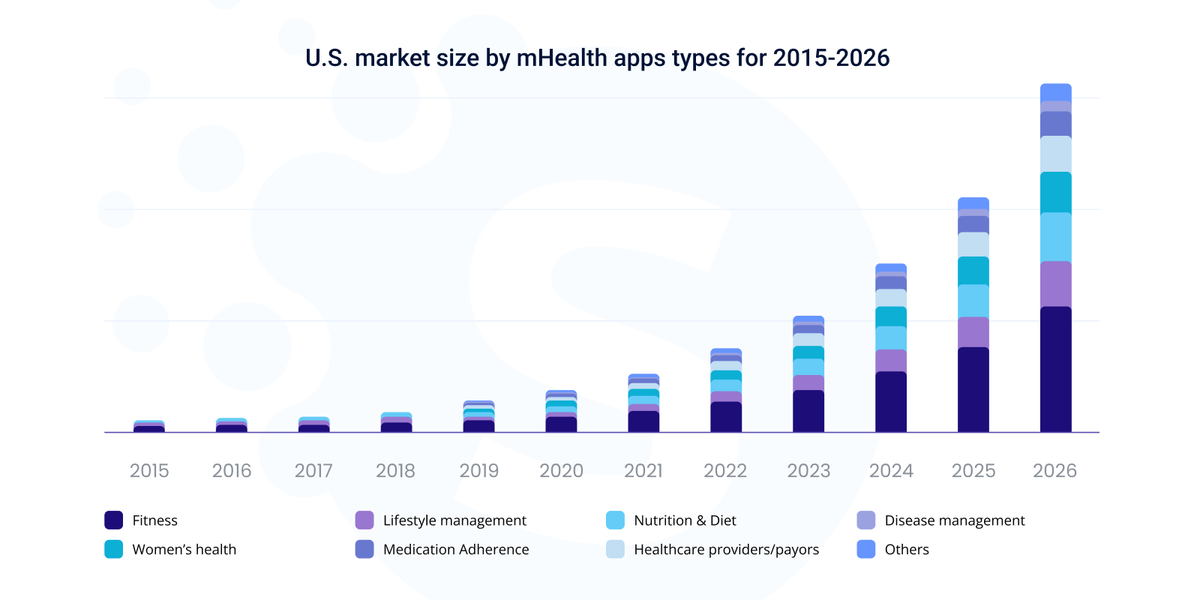
Here is a brief data recap on the most common mHealth app types in the United States from 2015 to 2026.
Software for Patient Data Management
These might include EHR, database software for doctors, and centralized systems to monitor hospital patients. That medical software is designed to collect information about visits to the doctor, making it accessible via specialized networks.
Care Management Software
This category covers patient portals, doctor appointment booking software, apps for communication with doctors, and telemedicine apps. Patients may use these applications to arrange appointments online and cancel them with a single click.
Software for Patient Analysis and Patient-Generated Data
These would be for remote patients’ health monitoring systems. Wearable devices and apps would also fall into this category. Remote patient monitoring is one way for doctors to keep track of their patients after hospitalizations or keep a close eye on people with a high risk of health conditions.
Hospital Software
This kind of software includes prescription apps and medical billing software that automate many routine tasks for medical professionals. With this sort of medical tech solution, you can instantly receive a bill that considers any co-pays afforded to you by your healthcare provider.
Top Healthcare App Features Examples
The most popular health apps have some essential features in common. We’ve compiled a list of must-have healthcare mobile app features for your android medical app development project:
Appointment Management
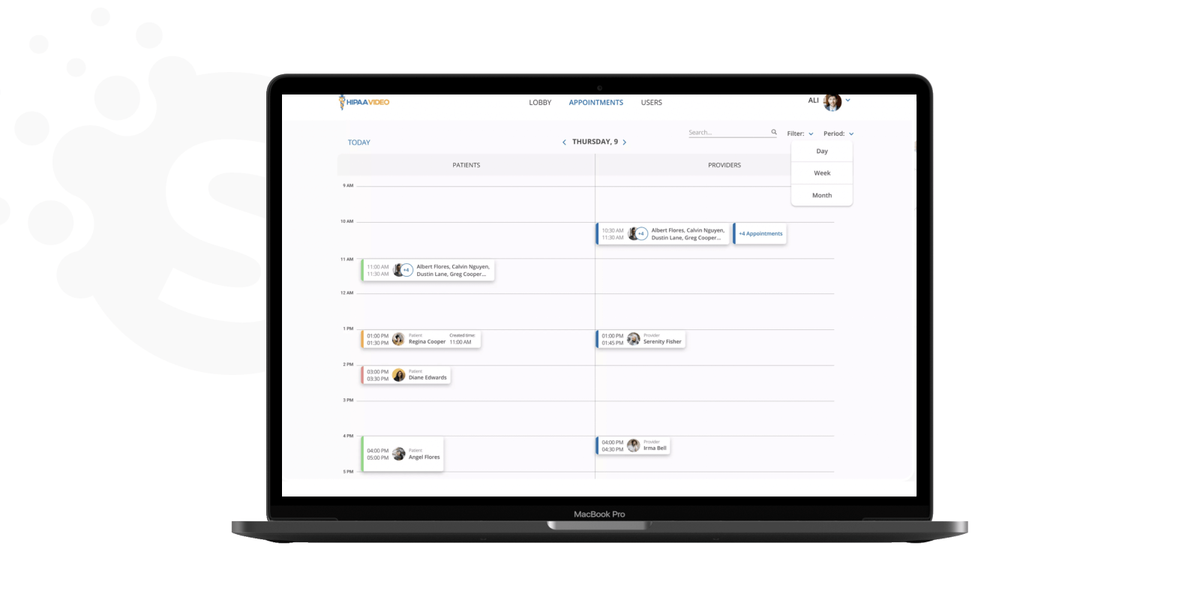
Many healthcare apps include an appointment management feature. The most common type of health app where this is necessary is for booking doctor’s meetings or video consultations.
Read also: Doctor Appointment Booking App Development
An appointment management feature should allow patients to see what slots their doctor has available. Physicians should be able to view their calendars, review their upcoming appointments, and adjust their availability as required.
Softermii developed the MedRealTime app, which uses this concept. The appointment feature of the app is simple to use for all patients, even those that may have more difficulty adapting to changing technologies.
Video Conferencing
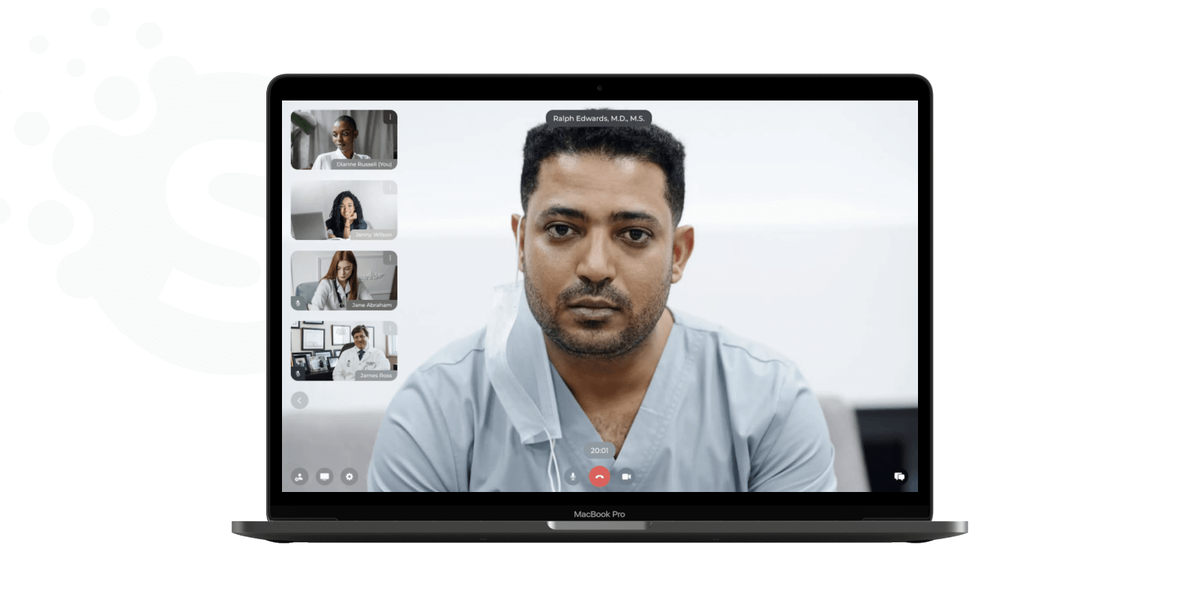
The COVID-19 pandemic has had a significant influence on the healthcare administration. Hospitals have been overrun and unable to accept in-person doctors visits. According to one research, primary care doctor visits have declined by 60% since the pandemic began.
Video appointments have replaced in-person consultations. They have become an attractive alternative for both patients and doctors. Patients no longer spend hours in waiting rooms and commuting to their doctor’s office or healthcare provider.
For these reasons, video conferencing is a must-have feature for any healthcare app developed in 2022.
You can implement telemedicine features with the help of technologies such as WebRTC. That is exactly what Softermii did for HIPAA, a video conferencing healthcare application.
EHR
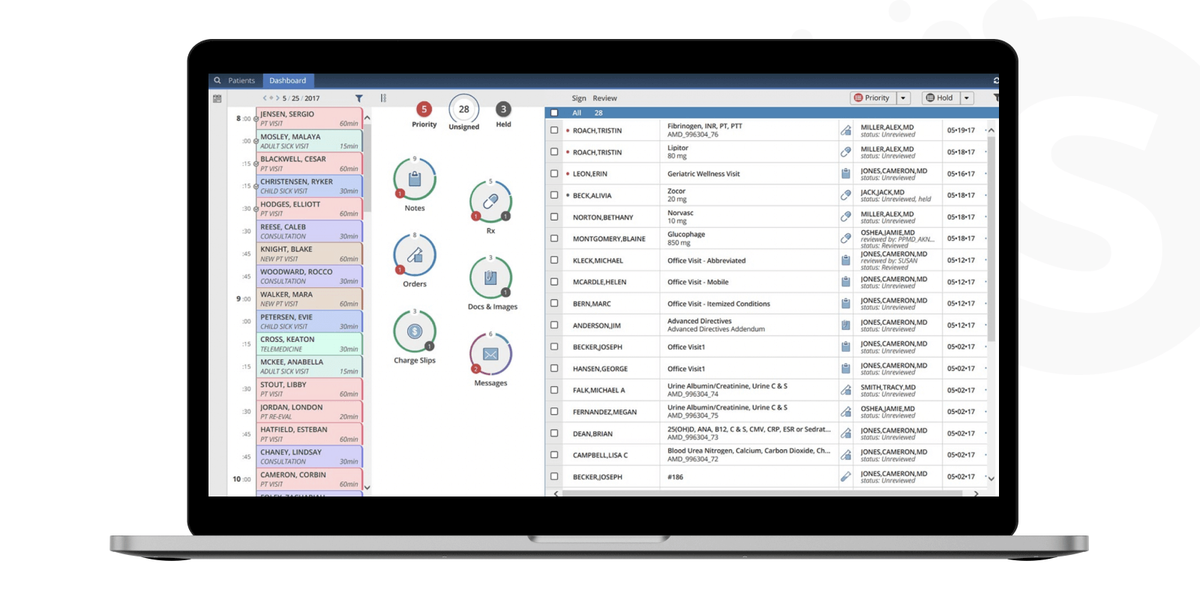
Telemedicine applications are used for online appointments. But what happens once the session is over? The doctor has to update the patient’s health record in the hospital’s internal system. Thus, modern telemedicine solutions usually include an electronic health record feature.
The doctor has a separate interface within the app to fill out the health form and transfer the data to the internal system.
E-Prescriptions
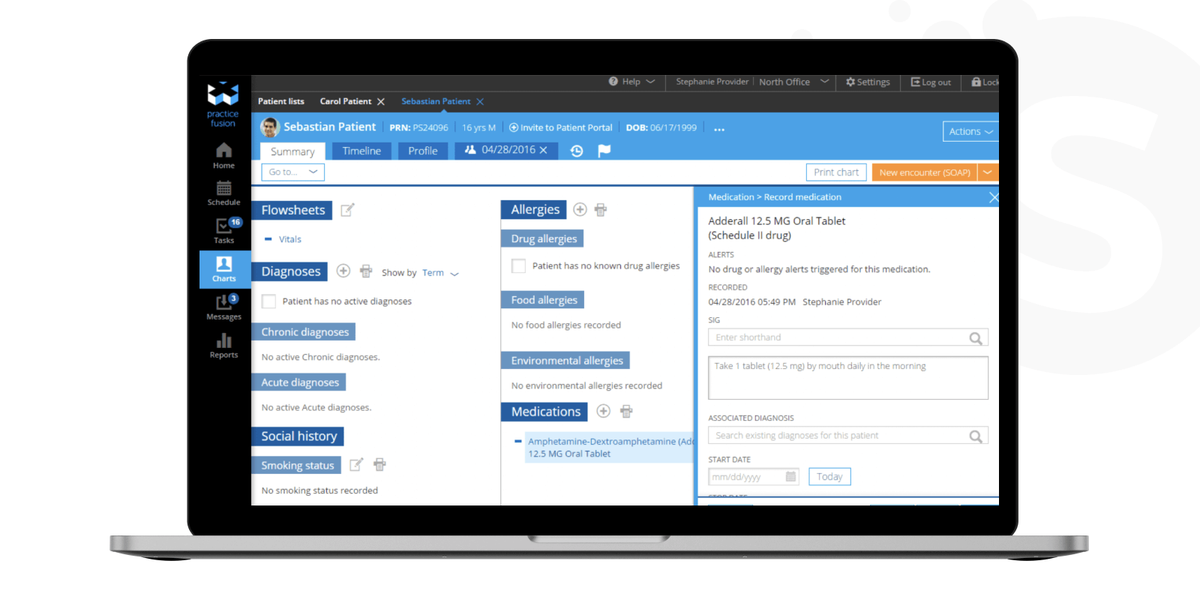
E-prescription technology saves both the doctor’s and patient’s time. An e-prescription feature enables physicians to generate and send prescriptions, including all the relevant details that go with them.
To further improve the user experience, you could add a feature that checks local pharmacies to see if a patient’s prescribed medicine is available.
Staff Management
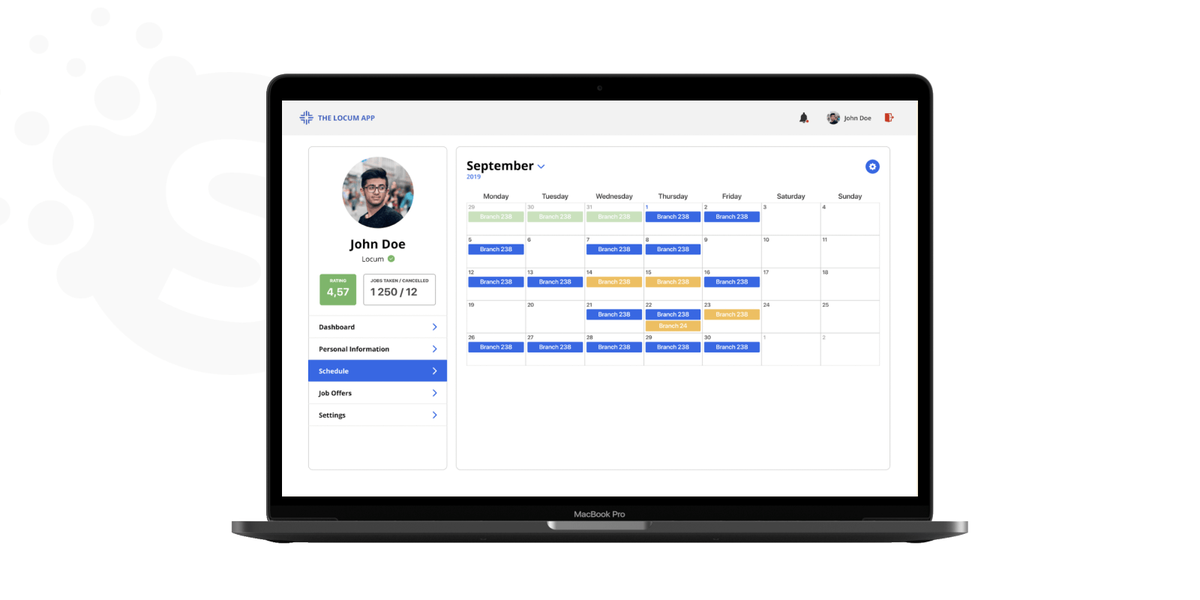
Telemedicine solutions are designed not only for patients and physicians but for hospital management as well. Additional features like employee schedules, reviews, and health records help to improve staff efficiency. One of the examples is the Locum app which simplifies hiring and managing pharmacies.
Notifications
Notifications are an essential feature. Reminders for doctor’s visits or when to take medication will be very helpful to users. However, don’t overuse this feature. Excessive notifications account for 12.6% of app uninstalls.
You want to ensure that the notifications you send do not become an annoyance but rather are solely there to provide users with the information they need.
Messaging
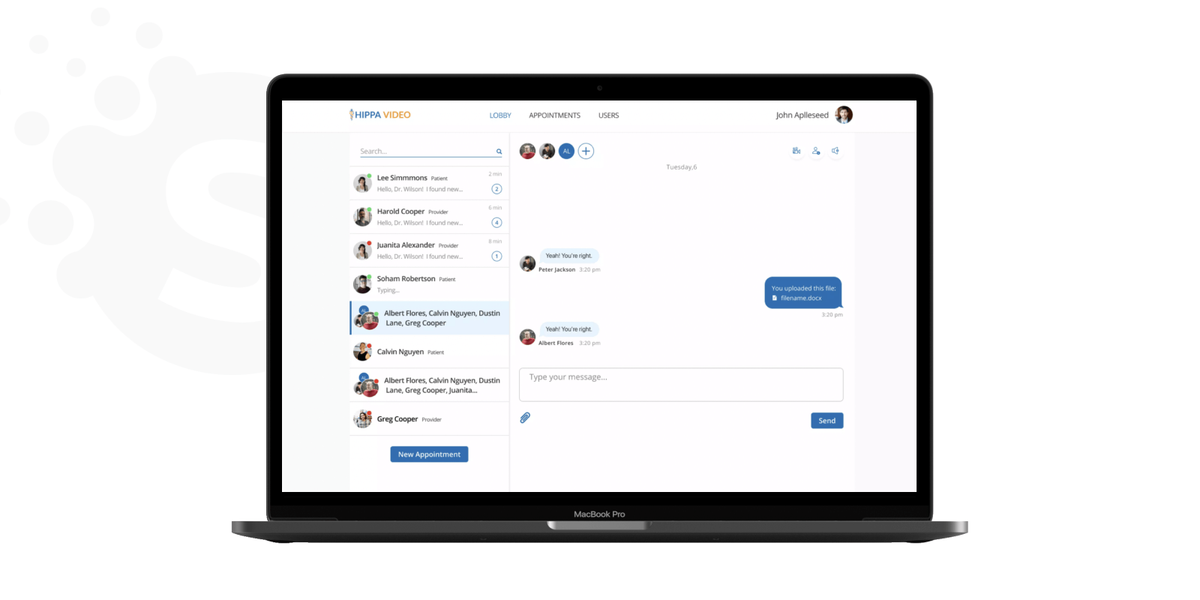
We’ve already discussed why video conferencing is an excellent healthcare app feature to include. But what about communications that don’t require a video call?
Messaging is an ideal way to provide patients with immediate care. The ability for patients and doctors to interact with one another will not only help to build trust between them when the patient is not in a healthcare facility. It will also strengthen the user’s confidence in you, the app provider.
Read also: Guide on Creating a Custom Messaging App
User Dashboard
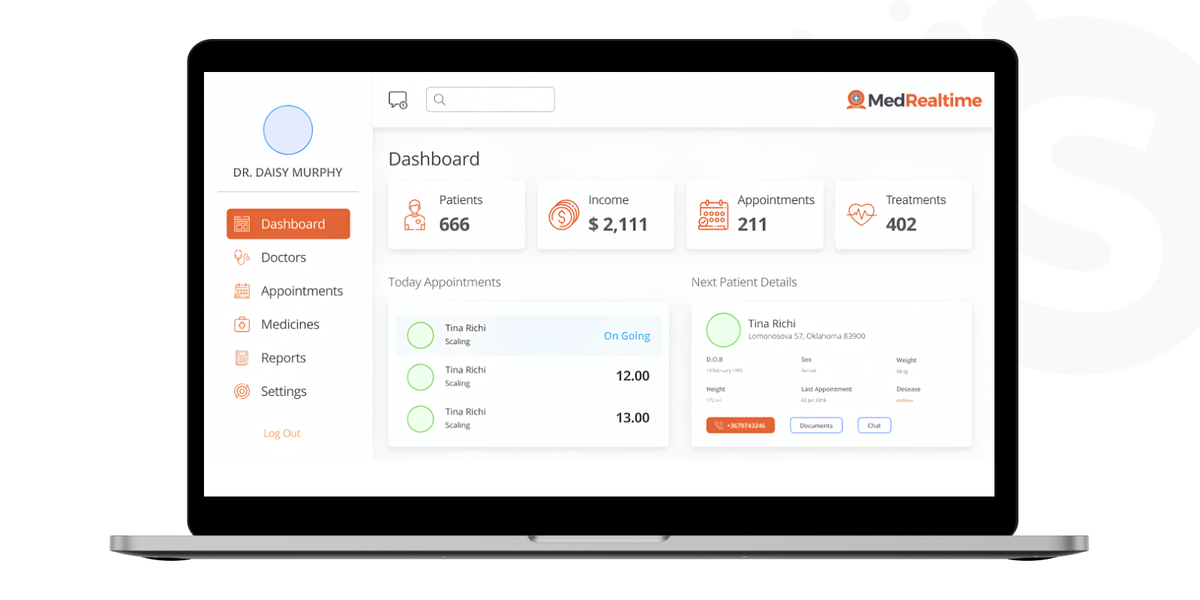
Having a prominent and easy-to-use dashboard creates a great user experience. You want to build a dashboard that provides the vital information that patients and doctors are looking for at a glance.
Depending on the purpose of your healthcare app, a dashboard can provide various information. For example, it might show a record of physiotherapy exercises, the patient’s nutrient intake for the day, or include appointment reminders.
Dashboards should be visual. Users will be able to digest the information offered to them more rapidly if it is presented in bright colors and graphics.
Doctor and Patient Profiles
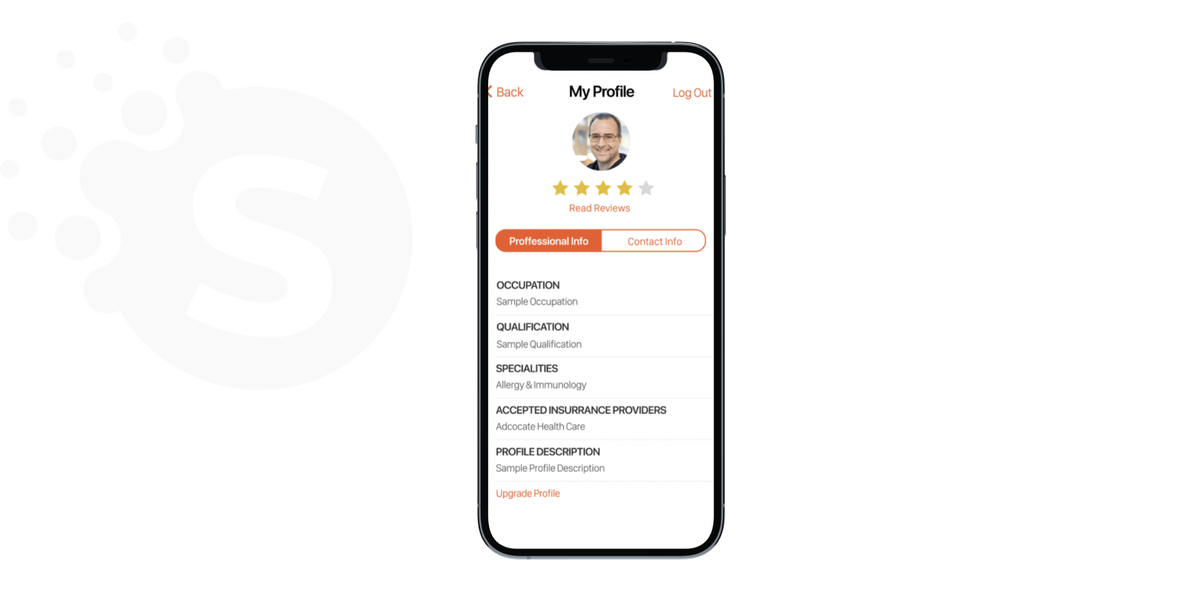
For many types of healthcare apps, a doctor and/or patient profile will be an obvious place to start. A profile will help users log their medical information and allow doctors to get a quick overview of patients, their conditions, or medications.
Doctor profiles can help patients quickly find appropriate doctors in their area. For example, a doctor’s profile may contain information such as their specialization, healthcare facility, and current availability.
Payment Integration
A healthcare app should have payment integration. If you provide paid for medical services such as paid consultation, you will want to offer users a simple way to pay for their appointments.
Offering Visa or Mastercard credit card payments or payment gateways such as Stripe and Paypal make paying bills simple for users and collecting payments easy for healthcare professionals.
CMS and Reporting
A CMS feature is not something that users are actively aware of. But they do benefit from it by making your app more accessible. For example, the reporting on a CMS can track data round interaction on your app, providing you with valuable insights that you can then use to update and improve your app.
Wearables Integration
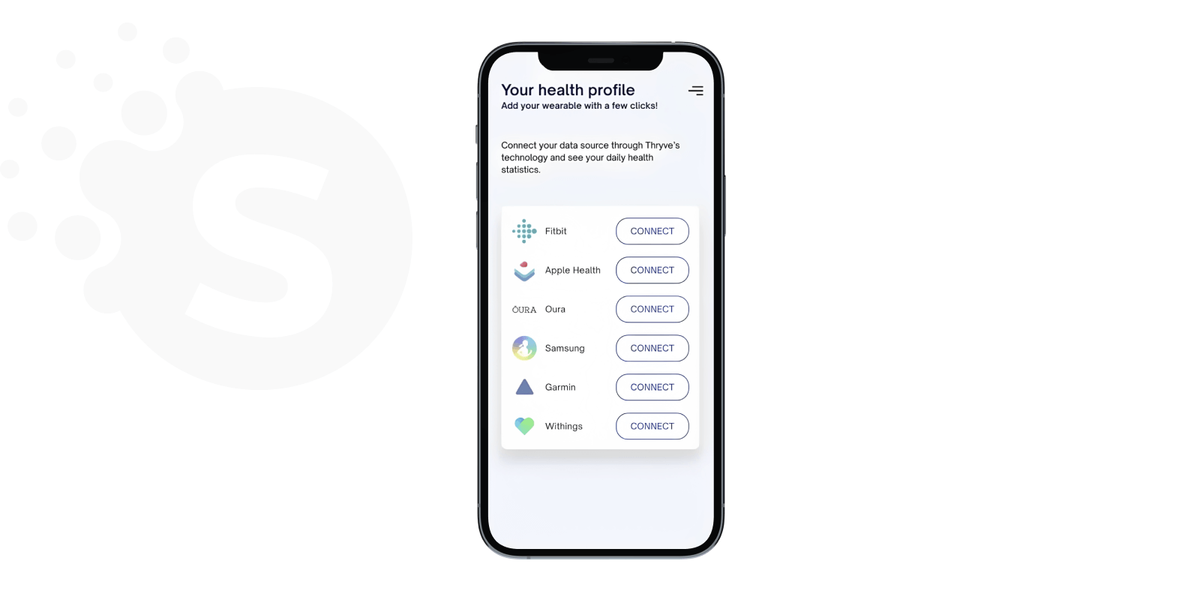
Wearable devices have risen in popularity over the past few years. From Apple smartwatches to sport-specific FitBits, new devices are becoming a part of our daily lives. Wearables have various medical uses, including in novel ways like diabetes monitoring devices and wearable ECG monitors. The healthcare wearables market is forecast to reach $60 billion by 2023.
This fast adoption rate of wearable technology opens up a significant opportunity for healthcare providers to develop apps with integrations from other devices. These devices then gather critical information such as blood pressure, heart rate, blood sugar level, and more, which helps doctors learn more about their patient’s overall health and provide better care.
Third-Party Integrations
APIs allow patients to control their data. Third-party integration can help hospitals enhance the usability of their EHR. For instance, there’s the Box API, which may be used to store critical documents. There are also the Doximity API for virtual doctor connections and the Human API for patient data management.
By applying custom API features in your healthcare app, you can sync data in the app with a website patient profile.
Multi-Language
In the United States, Spanish is the first language for 13% of the population. Building multi-language capabilities into your app will help it appeal to a larger demographic. Typically, complicated or technical medical terms may not be something a bi-lingual speaker will learn in their second language, so having the option to switch to their native tongue will provide a better user experience.
Accessible UX/UI
Modern mobile app users expect a smooth and engaging user experience. It is especially true for millennials, as 21% of them will delete an app if it does not deliver a good user experience.
With mHealth app usage growing in users aged 50 and over, it is essential to build applications with this demographic in mind. Those over 50 did not grow up with smartphones and will be more likely to find user experience as a barrier to using. Flashy features that might appeal to younger audiences may frustrate those with less mobile app experience, making it vital to consider simplicity in User Experience and User Interface design for healthcare applications.
Search Feature
No medical app is complete without a search feature. By including a search bar with a custom filter, you enable your users to navigate the app more quickly and get the information they need.
Symptom Checker
Depending on the healthcare app type you are creating, you may want to include a symptom checker. For example, if you are a primary care provider, having a symptom checker will help your patients quickly establish a diagnosis and whether their symptoms are a cause for concern or something they can easily manage without seeking medical treatment.
60%
According to the research, primary care doctor visits have declined by 60% since the pandemic began.
Healthcare Apps Features And Technologies
We’ve discussed key features for your medical app development project. Now let’s turn to the in-demand technologies for the healthcare field. Hence, if you want to know how to create a health app for patients, you should be aware of these varieties of emerging tech.
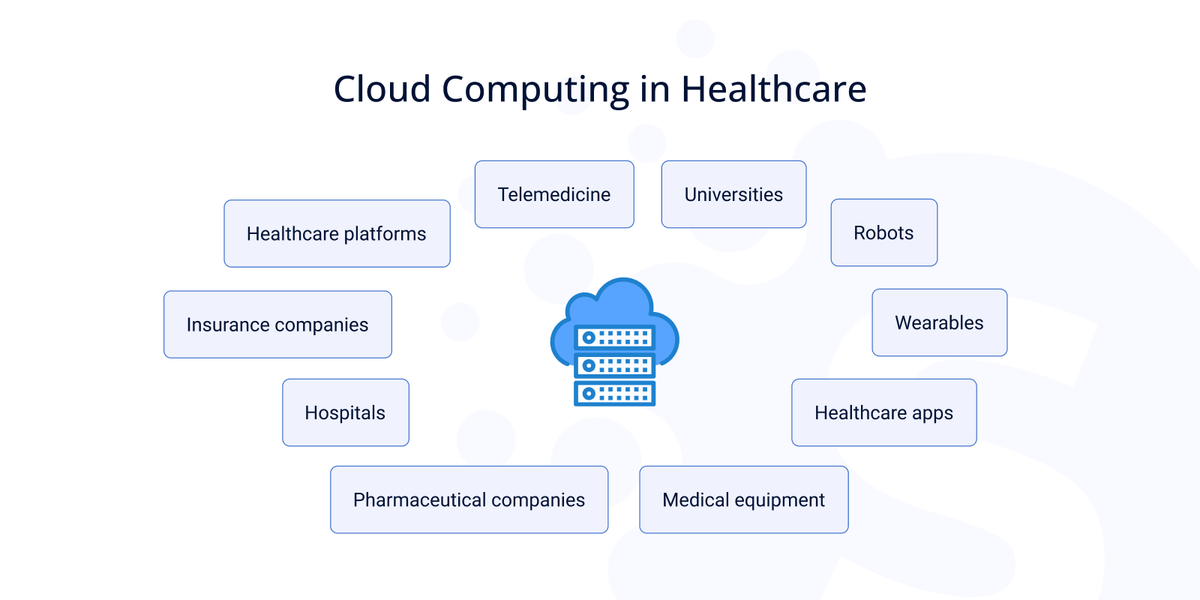
Cloud Technologies
Such technologies make record-sharing easier, help to automate the backend operations, and decrease expenses.
The cloud also allows health facilities to keep confidential patient data safe and reduce staff downtime. According to the Accenture study, 60% of CIOs in healthcare acknowledge the high security of public cloud services, and 66% are switching to cloud services.
AI/ML in Healthcare
AI-driven apps help doctors in treatment prescription and decision-making learning in previous cases. Predictive analytics is also how artificial intelligence helps in this area.
Let’s discuss the influence of AI expansion on the healthcare field:
- Firstly, AI solutions can tackle routine and repetitive tasks, making administrative routine more bearable. It will save medical professionals a tremendous amount of time.
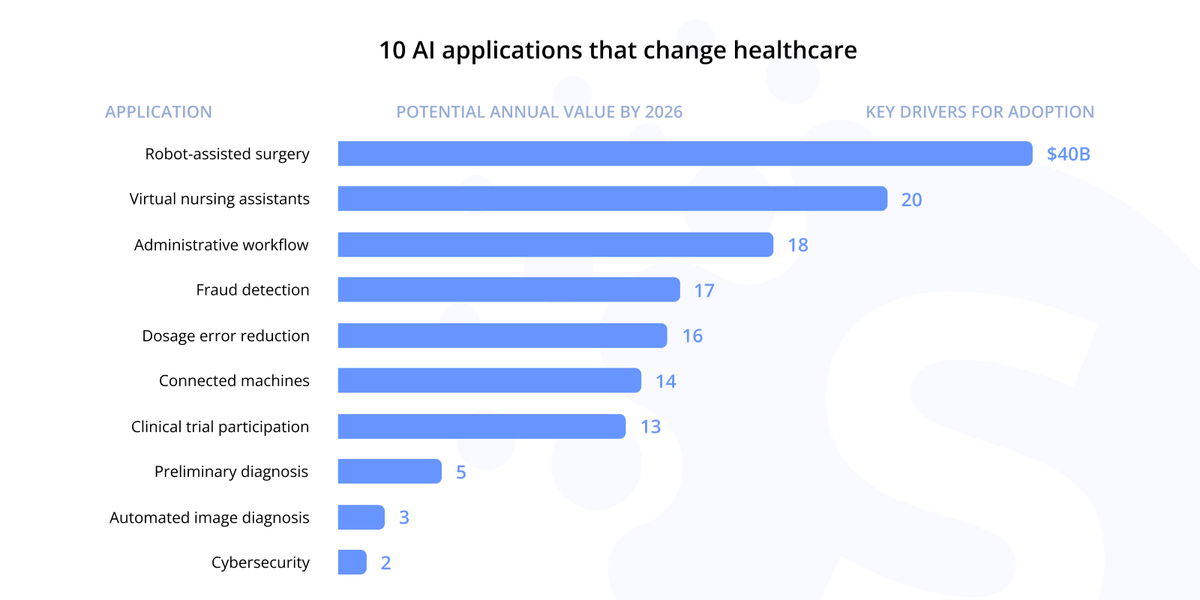
- Secondly, AI will handle the transition from hospital to home care, for example, through virtual assistants’ use. At this point, the extension of AI’s influence on healthcare also includes a broader usage of NLP, artificial intelligence, and machine learning in numerous medical specialties such as oncology, cardiology, and neurology.
- Last but not least is the appearance of more AI solutions in clinical practice.
Video Conferencing Importance in Healthcare
Healthcare video conferencing features allow doctors to consult online. According to Technology, Media, and Telecommunications Predictions 2021 by Deloitte, “In the five years between 2014 and 2019, overall internet usage in the United States rose six percentage points, but internet usage for people over 65 rose 16 percentage points. Although not all senior Americans were connected in 2019, based on the growth rate in penetration and the pandemic, likely over three out of four were by mid-2020, which is likely a critical mass for enabling widespread medical video visits among the 65-plus population.”
Telemedicine apps are specifically helpful if the patient has mobility issues or needs urgent consultations. Doctors can also consult with each other over long distances. That is particularly useful if the physicians live in different cities or countries, and the patient under discussion has unusual or perplexing symptoms.
IoT Applications in Healthcare
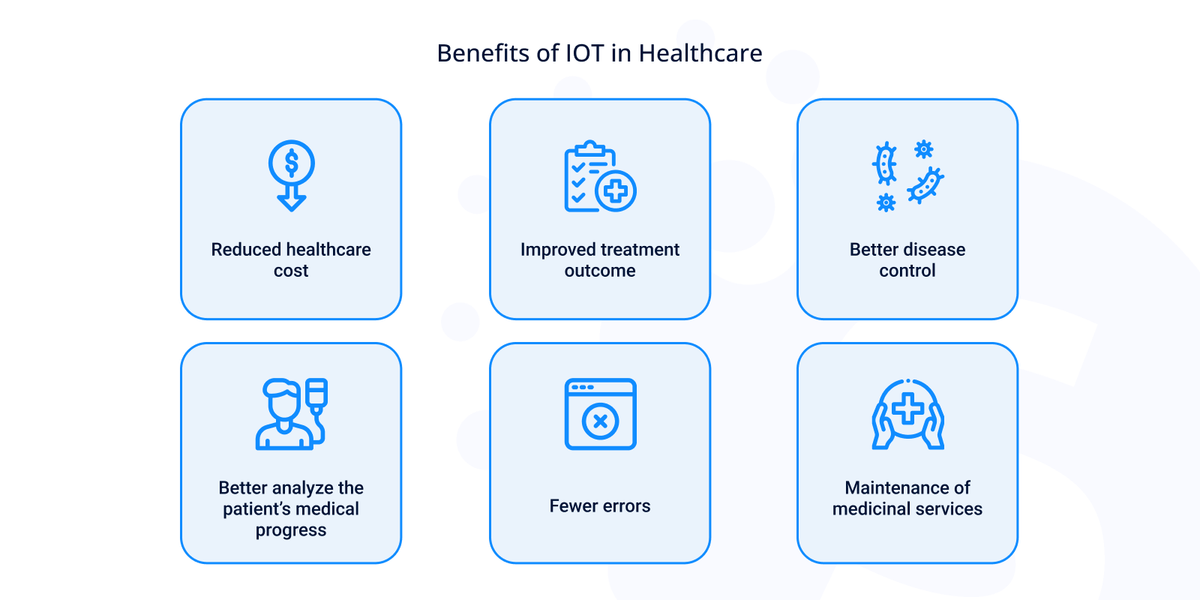
When it comes to monitoring patients’ health records and tracking medical equipment in real-time, the Internet of Things comes in handy. With the help of IoT devices, physicians can receive a continuous information flow over the patients’ health.
IoT devices provide:
- Remote monitoring of a patient’s health status
- Outpatient tracking of patients
- Remote diagnosis and disease prevention
- Ability to connect medical devices
IoT technologies can help monitor medical equipment, including wheelchairs, oxygen pumps, defibrillators, nebulizers, etc. In such a way, IoT sensors provide timely and convenient maintenance scheduling and prevent unexpected equipment failure.
Wearable sensors are used to track such vital indicators as heart rate, blood pressure, and body temperature. Low-power Bluetooth allows you to use the sensor to measure your heart rate for as long as possible. The wireless upper arm blood pressure tonometer can transmit the patient’s blood pressure data to a server. Temperature sensors collect information and send it wirelessly to the handheld port.
IoT-based health care has great potential to increase the efficiency of the health care system and improve patient health.
Blockchain for Healthcare
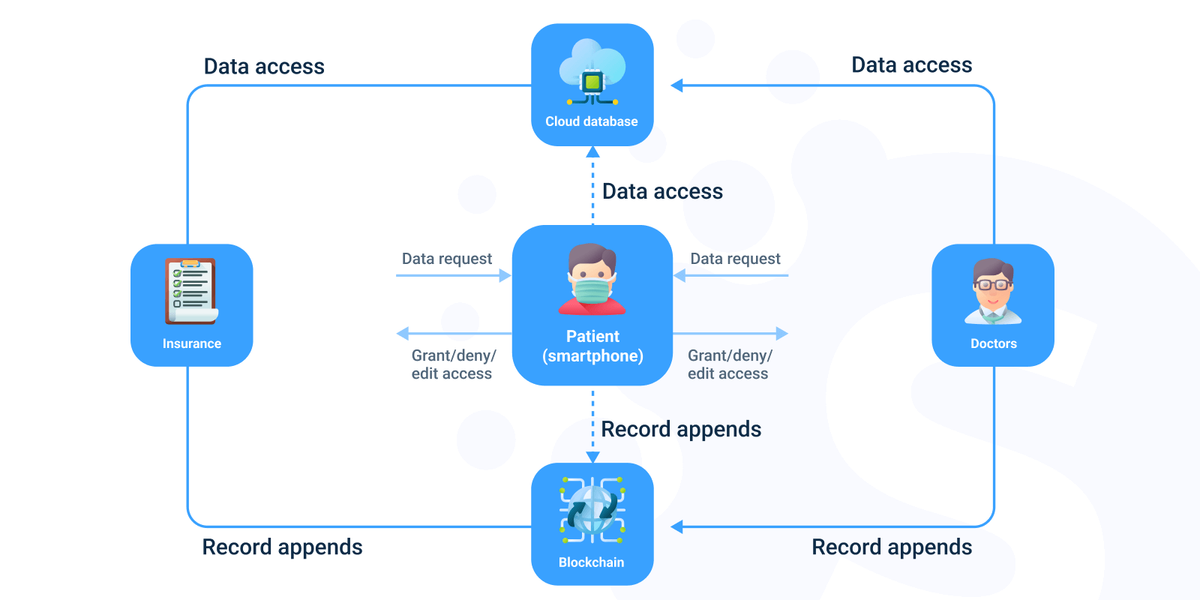
Applying blockchain tech into healthcare can improve the way patients share and store their EHRs by providing secure mechanisms for sharing information across the healthcare industry. The technology ensures the security and safety of transmitting personal data through a decentralized network.
Sharing mHealth data is an essential step toward improving the quality of healthcare services. An EHR is a digitized structure of patient health data created and maintained throughout a patient’s lifetime and is typically stored and shared among health care providers. And it is a blockchain that will enable data security and simplify the transfer process.
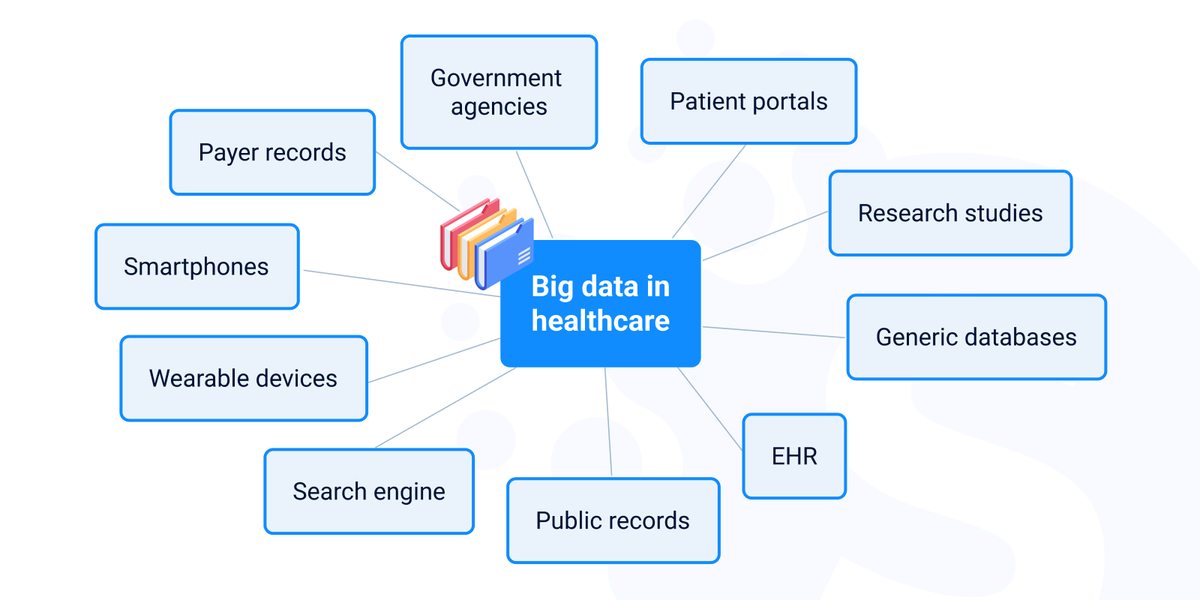
Big Data Usage
According to McKinsey research, using big data with AI and ML can allow the healthcare and pharma software providers to save approximately $100 billion annually solely through data processing automation.
Healthcare institutions accumulate tons of data. An EHR, for example, may contain all the critical clinical data relevant to the person’s care, including demographics, progress notes, and prescriptions. To put all that information to good use, healthcare providers require Big Data technologies.
Big Data is also crucial for public health. For instance, it can be used to identify trends to stop an emerging health crisis. Flatiron Health in New York can serve as an example. They are using billions of cancer patient data points to gain new insight and enhance research methods, with the eventual goal of curing this deadly disease.
Compliances to Consider in Health App Development
Understanding basic legal requirements is mandatory when collecting someone’s personal information. mHealth app developers must follow the laws governing the security and privacy of a patient’s medical data. Security breaches in healthcare can cause serious problems, both reputational and financial.
Several laws regulate the privacy of personal information in different legislations. Let’s look at the most important ones for mobile app developers.
HIPAA
It’s US legislation that ensures the privacy and security of personal health information. Given the frequent data leaks and breaches of medical databases that occur each year, the law becomes more and more relevant.
In mobile medical application development, the following HIPAA policies play an important role:
- Ensure the confidentiality, integrity, and availability of all protected electronic health information.
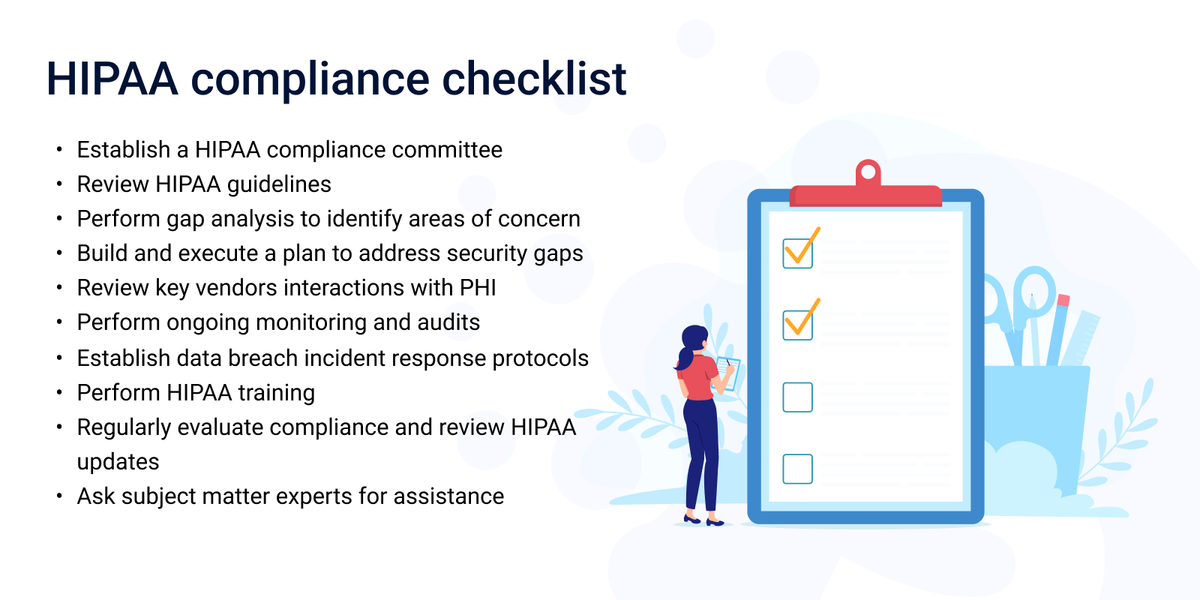
- Safeguard against anticipated threats to the security of the information.
- Protect against anticipated, impermissible uses or disclosures.
- Certify compliance by their workforce.
GDPR
General Data Protection Regulation aims to give citizens control over their data and simplify the regulatory framework for international economic relations by unifying the regulation within the EU. Healthcare providers are subject to stricter rules for collecting, processing, and storing personal data.
There are three types of personal data that are directly related to health care:
- Health data. These are any facts that relate to the physical or mental health of the user. Such information is considered confidential and protected under the GDPR.
- Genetics information. The results of laboratory tests and any facts that may reveal details of the patient’s physiology.
- Biometric data. It refers to data related to a person’s physical or behavioral characteristics. Such details are considered personal information under the GDPR because they can be used to identify a specific person (e.g., facial images, fingerprints).
PIPEDA
The Personal Information Protection and Electronic Documents Act sets the ground rules for how private-sector organizations collect, use, and disclose personal information in the course of for-profit, commercial activities across Canada.
The PIPEDA law classifies personal information as any information that collects the following data about each individual:
- Name, age, financial data, ID number
- Ethnicity, nationality, or race
- DNA
- Blood type
- Marital status
- Employment, education, and medical records
- Driver’s license, social insurance number
- Credit history and loan files
mHealth App Development Process: Step-by-Step
Now, you’re aware of some of the most prevalent forms of technologies, features, and legislation used for healthcare coming to the forefront for health apps. But what about the technical process of these endeavors? Let’s take a closer look at how to develop a healthcare app.
Define the Tech Stack
The chosen tech stack addresses a critical aspect of how to develop a medical app. No wonder, as technology is the core of your healthcare solution. Since, for example, mobile, web apps, and hospital management systems are entirely different software solutions, the tech stack will vary considerably.
Let’s look at the technology stack for each solution mentioned above:
- mHealth App Tech Stack
Cross-platform development: React Native, Flutter, Xamarin
iOS: Swift, Objective-C
Android: Kotlin, Java
Back-end: NestJS, Hasura, AWS Lambda
UI/UX: UIKit and SwiftUI for iOS, Jetpack Compose and Android UI for Android, Figma and Sketch for cross-platform apps
Third-party integrations: Agora, WebRTC, Twilio
- Web App and Hospital Management Software Tech Stack
Front-end: HTML, CSS, JavaScript
Back-end: Java, Python, PHP
UI/UX: Figma, Sketch
Third-party integrations: Agora, WebRTC, Twilio
Overview Risks and Security Issues
As your app is about to hit the market, you’ll have to pay close attention to the state regulations concerning medical software. Besides, data breaches in healthcare are not something unheard of, so the users need to be 100% sure that their data is safe. It’s hard to find data more personal and sensitive than medical information.
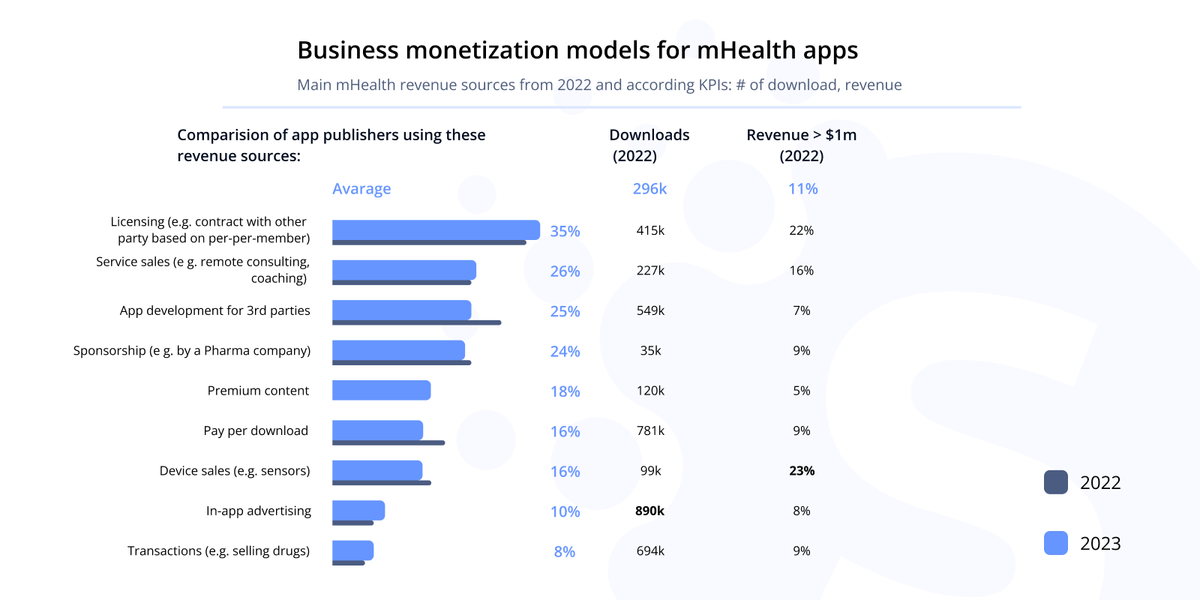
Monetization Models for Healthcare Apps
There is also the issue of how you make your app profitable. For example, if you are coming out with an ostensibly free app, then how are you going to make any money off of it?
As a for-profit company, there are many setups that you could implement that could solve this issue. Monetize your app with paid online visits or chats, implement a referral model with pharmacies or provide patients with handy tips by enabling subscriptions.
Healthcare Mobile Application Development Challenges
Building a healthcare app can be a rewarding experience. However, there are numerous challenges that developers need to overcome to create a successful and functional app. Let's highlight some of the most significant challenges existing in this field:
Data Security and Privacy
One of the primary concerns in healthcare mobile application development is ensuring the security and privacy of sensitive patient data. Developers must implement robust encryption algorithms, access controls, and secure communication channels to protect health information from unauthorized access or data breaches. Complying with regulatory standards, such as the Health Insurance Portability and Accountability Act (HIPAA) in the United States, adds another layer of complexity to this challenge.
Integration with Existing Systems
Healthcare organizations often rely on various systems and software to manage patient records, billing, and other essential tasks. Developers must ensure that the mobile application seamlessly integrates with these existing systems to avoid data silos and maintain consistency. It may require developers to understand and work with legacy systems, custom APIs, and proprietary data formats.
User Experience and Accessibility
Developing a user-friendly and accessible healthcare mobile application is crucial to ensure its adoption by healthcare providers and patients. Developers must design intuitive interfaces, considering various user demographics, including age, technical proficiency, and physical or cognitive disabilities. Adhering to accessibility guidelines, such as the Web Content Accessibility Guidelines (WCAG), can help create a more inclusive app for all users.
Scalability and Performance
As mobile healthcare applications often deal with large amounts of data and concurrent users, developers must ensure that the app can scale seamlessly and maintain optimal performance under heavy loads. It may involve optimizing data storage and retrieval, implementing load-balancing strategies, and fine-tuning server configurations to meet the demands of a growing user base.
Regulatory Compliance and Certification
Healthcare mobile applications are subject to strict regulatory requirements, depending on the region and specific use cases. Developers must be aware of relevant regulations and certifications, such as HIPAA in the United States, the General Data Protection Regulation (GDPR) in the European Union, and the Food and Drug Administration (FDA) approval process for medical devices. Ensuring compliance with these regulations can be time-consuming and requires developers to understand the legal landscape thoroughly.
$650 billion
Recent projections indicate that by 2025, this number is anticipated to surpass $650 billion .
Continuous Updates and Maintenance
The healthcare industry is constantly evolving, with new guidelines, best practices, and technological advancements emerging regularly. Mobile healthcare applications need to be updated and maintained accordingly to remain relevant and effective. It requires developers to stay informed about industry trends, address any security vulnerabilities promptly, and incorporate user feedback to improve app functionality and performance continuously.
How Much Does It Cost to Develop a Healthcare App
According to the Research 2 Guidance data, the mobile health app development from scratch costs $425,000 approximately.
Note that this profound survey involved 2,400 stakeholders in companies working on such projects.
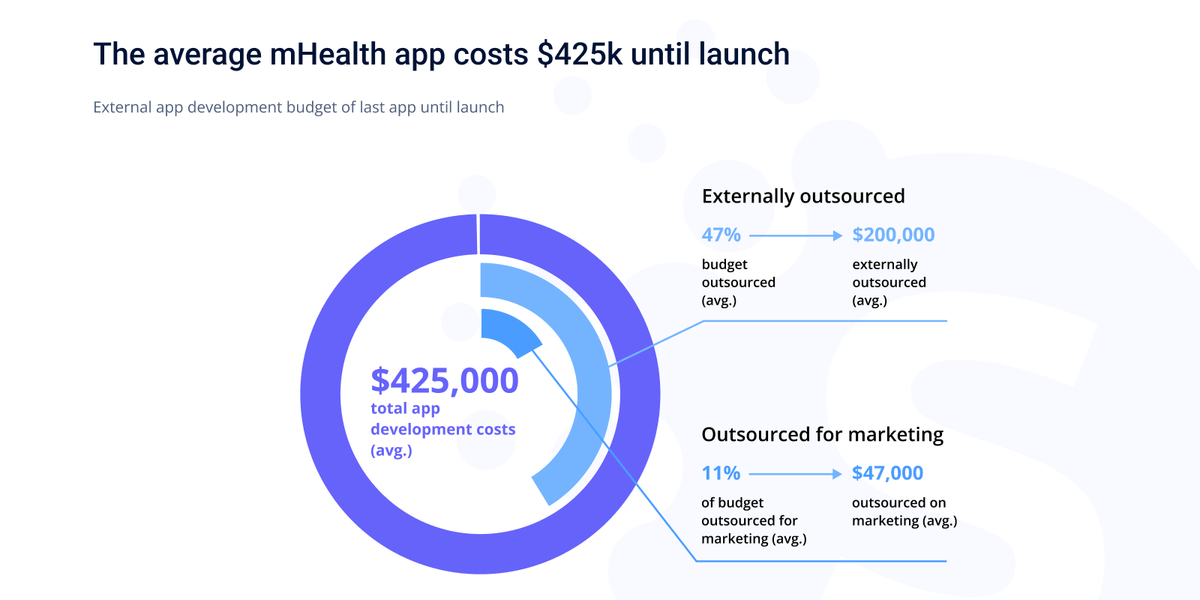
More complex medical apps are probably going to healthcare app development cost more than that.
The project complexity primarily influences the cost of the software solution, whether it is a minimum viable product or a finished one. Take a look at the main stages of healthcare app development:
- Discovery — covers the initial analysis of the market, audience, and competitors.
- Specification requirements — a detailed description of the system under development.
- Engineering and design — creating a visual representation of the app before the actual app coding.
- Development — the app concept and type influence the cost of an app during the development stage. More features you want means the app will cost more.
- Testing — testing app function and quality.
- Ongoing support — a long phase of application support, as well as the development of updates.
The cost of each of these mHealth app development stages will vary. It will depend on the type of software, its features, the difficulty of implementation, and mobile medical app developers’ rates. So, we have assessed the approximate cost of various healthcare solutions development.
mHealth App Cost
See the cost of the mHealth app development in the table below. We have prepared calculations for iOS, Android, and hybrid applications.
| Cost of mHealth App | Cost of mHealth App | Cost of mHealth App | Cost of mHealth App |
|---|---|---|---|
| Name of the development stage | iOS estimated cost | Android estimated cost | Hybrid estimated cost |
| analytics and research | from $7 200 | from 40 hours | from 40 hours |
| specification requirements | from $3 200 | from 80 hours | from 80 hours |
| engineering and design | from $4 800 | from 120 hours (in parallel with specifications) | from 180 hours (in parallel with specifications) |
| development | from $21 200 | from 530 hours | from 900 hours |
| testing | from $7 200 | from 180 hours | from 240 hours |
| ongoing support | from $7 200 | from 180 hours | from 180 hours |
| Total | Approximately $50 000 | Approximately 1150 hours (6.5 month) | Approximately 1650 hours (9 month) |
Cost of Web Health App
As web health applications, the approximate cost of such solutions is:
Analytics and research: from $1 600
Specification requirements: from $3 200
Engineering and design: from $4 800
Development: from $16 000
Testing: from $6 400
Ongoing support: from $3 200
Cost of Patient Data Management Software
We figured out the cost of mobile and web applications. Now let’s have a look at the required investment for patient data management software creation:
Analytics and research: from $3 200
Specification requirements: from $4 800
Engineering and design: from $6 400
Development: from $25 600
Testing: from $12 800
Ongoing support: from $6 400
Cost of Care Management Software
It is a broad category of medical software, including telemedicine applications and solutions for booking doctors’ consultations. Here is an approximate cost of such software:
Analytics and research: from $1 600
Specification requirements: from $4 800
Engineering and design: from $6 400
Development: from $38 400
Testing: from $19 200
Ongoing support: from $6 400
Cost of Software for Patient Analysis and Patient-Generated Data
This software should work with wearable devices, uniting them into a comprehensive remote health monitoring system. This is the amount of investment it needs:
Analytics and research: from $3 200
Specification requirements: from $6 400
Engineering and design: from $6 400
Development: from $25 600
Testing: from $12 800
Ongoing support: from $6 400
Cost of Hospital Software
The estimated cost for this type of software is:
Analytics and research: from $1 600
Specification requirements: from $3 200
Engineering and design: from $4 800
Development: from $19 200
Testing: from $6 400
Ongoing support: from $6 400
Softermii Experience in Custom Healthcare App Development
How to develop a healthcare app?
Creating a successful healthcare app requires a reputable healthcare software development company with extensive experience in this sphere. Softermii has completed several complex projects for its clients in healthcare. Here are some of the cases and healthcare software examples in our portfolio:
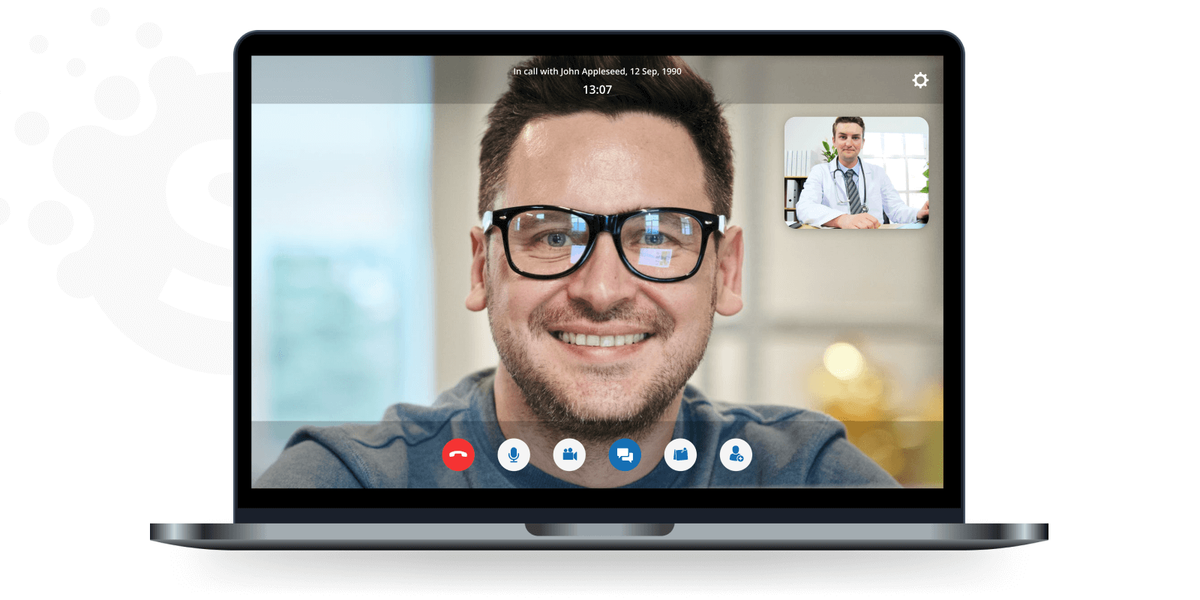
HIPAA Telmed — a new web-based communication and video-conferencing application. It includes all necessary features for the doctor and patient to manage their interactions. Our developer team paid particular attention to encoder implementations, browser support, and effective echo cancellation, creating a supreme video-streaming solution.
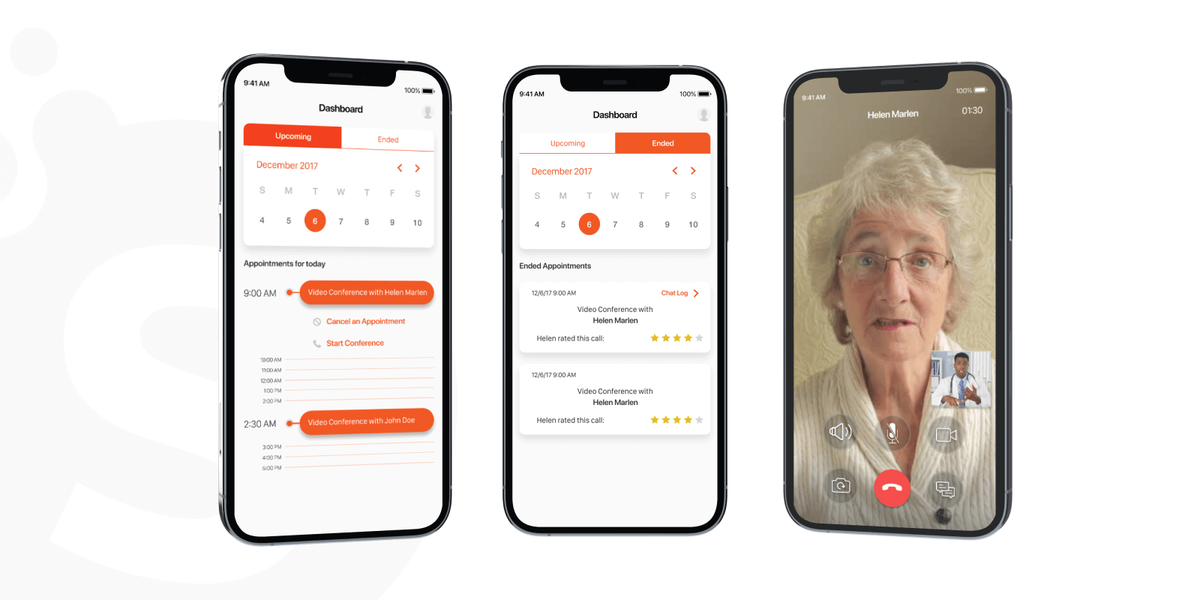
Medrealtime — a platform for better access to healthcare from anywhere and anytime. It gives patients the option of choosing physicians based on their skills, experience, and patient reviews.
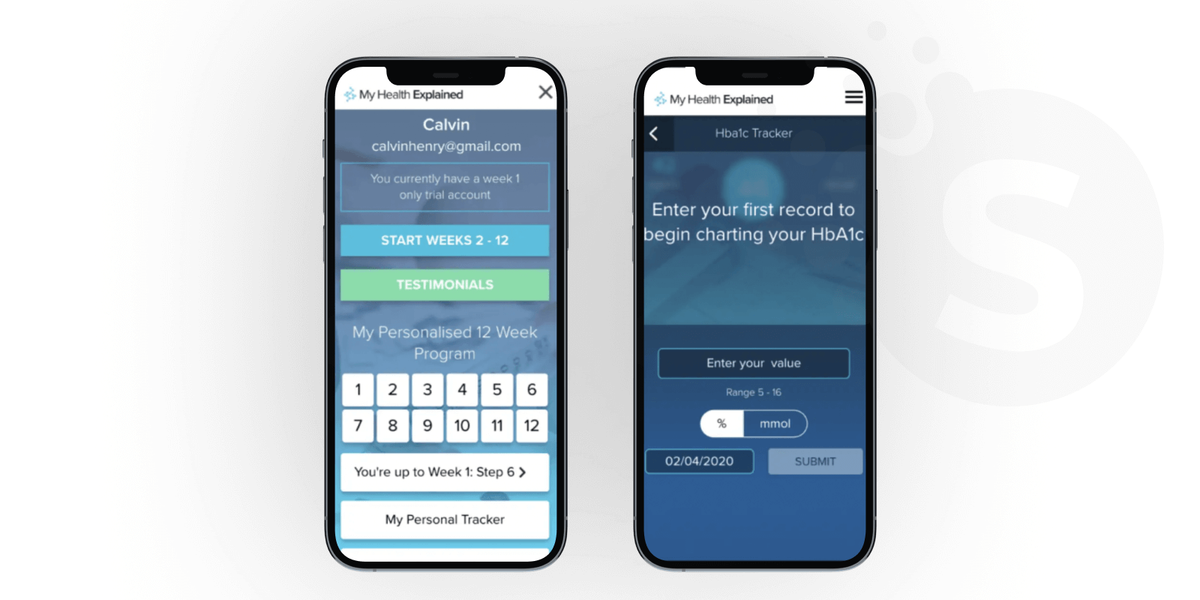
My Health Explained — a web and mobile healthcare platform focused on personalized diabetes programs. It allows users to access health records and track the patient’s progress. On top of it, the platform offers a lot of educational materials on diabetes. More than 11,000 people with diabetes have already used it, praising the app’s speed, interface, and quality technical support.
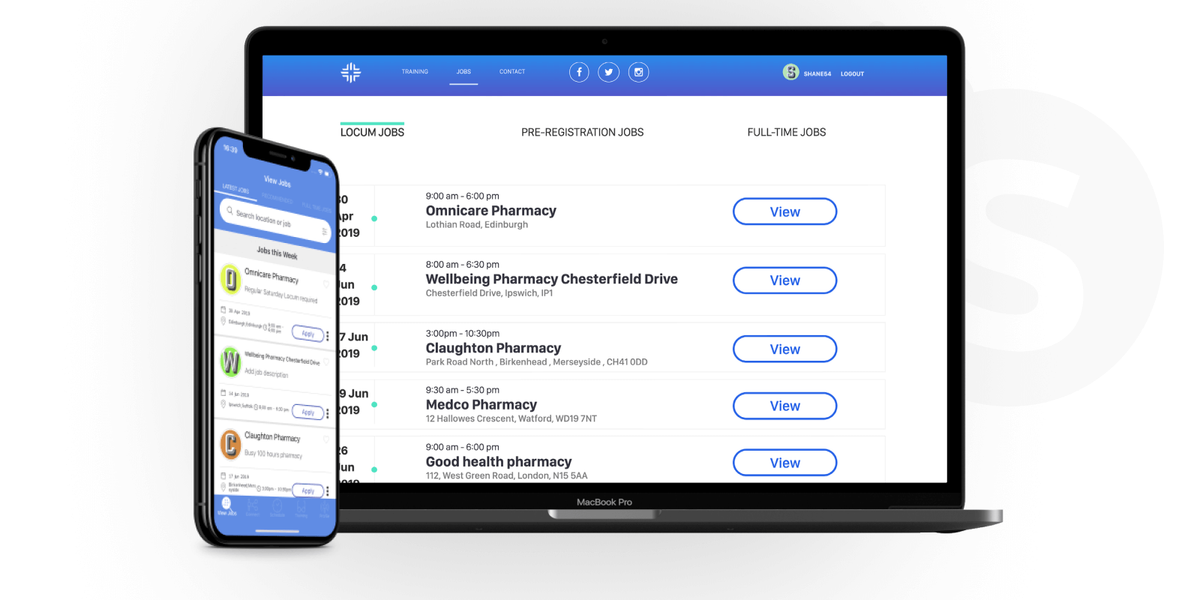
The Locum App — staffing platform for the pharmaceutical industry. Our client wanted to make the recruitment process faster and simpler. A new optimized and automated recruiting software exclusively for the pharmaceutical business contributes to this goal.
Read also: How Much Does Pharmaceutical App Development Cost?
Note that you can book a personalized meeting with the Softermii mHealth app developer and discuss your project to develop a custom mHealth app.
Post-Pandemic Reality Opens New Doors for mHealth and Hospital Apps
The rapid spread of the COVID-19 virus has given a new impetus to digital health app development. The increased popularity of apps accelerates the number of healthcare solutions created.
The latest technologies, such as artificial intelligence, Big Data, IoT, and others, are being used in development. These technologies open up new ways for custom mHealth app development and expand the number of tasks these solutions can solve.
Now you understand how to develop a health app. To do this, you need a clear plan, including the tech stack, desired features, and monetization strategy.
Furthermore, consider the primary regulations such as HIPAA, GDPR, and PIPEDA. Have a good look at them before starting your digital health app development. It’s critical for understanding how to store, manage, and use patients’ personal information.
If you are still unsure whether you need a healthcare app, pay attention to the following information. According to one survey, 76% of clinicians, more than two-thirds of respondents, predict that investment in digital health will grow in the next five years.
So, if you have an idea, we at Softermii are ready to help make it happen. Our team of experienced healthcare developers will implement your project and create a mobile app. We have profound expertise in custom mHealth app development, and many successfully launched products for the medical industry prove it. Drop us a line to start your own healthcare solution development journey!
Let’s develop a mobile healthcare app that increases the quality of life of millions and makes your job easier.
Frequently Asked Questions
How are mobile apps used in healthcare?
Mobile apps are used in healthcare to improve patient care, streamline workflows, and enhance communication between healthcare professionals and patients. Some common uses include remote patient monitoring, appointment scheduling, telemedicine, electronic health records management, medication management, and providing access to health information and resources. Mobile apps also help engage patients in their health and wellness by offering features like fitness tracking, personalized health recommendations, and mental health support.
How long does it take to create a healthcare app?
The time it takes to create a healthcare app depends on numerous factors, such as the number of features, required integrations with existing systems, team composition, and project deadlines. A simple healthcare app with basic features may take a few weeks to develop. In contrast, a more complex app with multiple integrations and advanced features may take several months. Additionally, time spent on research, design, testing, and obtaining regulatory approvals may also impact the development timeline.
Can I hire healthcare app developers from Softermii?
Of course! The Softermii team is highly skilled in healthcare software development, and we are eager to help create even more successful products for the market. Our team consists of experienced developers, designers, and project managers who deeply understand the unique challenges and requirements of healthcare app development. We will work closely with you to bring your vision to life while ensuring compliance with industry standards and regulations.
What are the healthcare app development requirements?
Healthcare app development requirements include data security and privacy measures, seamless integration with existing systems, user experience and accessibility, scalability, and performance, regulatory compliance and certification, and continuous updates and maintenance. Additionally, it is essential to consider the target audience, specific use cases, and the app's intended purpose to create a successful healthcare mobile application.
How are mobile apps transforming healthcare?
Mobile apps are transforming healthcare by enabling better access to healthcare services, improving patient outcomes, and empowering individuals to take control of their health. They offer greater convenience, allowing patients and healthcare professionals to communicate remotely, schedule appointments, and access vital health information from anywhere. Mobile apps also facilitate the collection and analysis of health data, which helps healthcare providers make informed decisions and personalize treatments. Furthermore, healthcare apps support preventative care and health promotion by encouraging users to adopt healthier lifestyles and track their progress.
How about to rate this article?
1820 ratings • Avg 4.9 / 5 · Thanks for rating!
Written by:

CEO & Co-Founder
Slava Vaniukov is the CEO and Co-Founder of Softermii, with more than 10 years on the front lines of software development. He has spent that decade helping founders and enterprises turn ambitious ideas into products that ship — and that perform. Apps built by his teams have been featured on multiple “Top 10 Best App…