

How to Develop a Telemedicine App? Benefits, Features & Cost

Want to know more? — Subscribe
The healthcare business is being virtualized on every level from consumer to provider and telemedicine app development solution is experiencing a huge boom…
The healthcare business is being virtualized on every level from consumer to provider and telemedicine app development solution is experiencing a huge boom right now.
We've already talked about reasons to develop a telemedicine platform and how the market is predicted to grow exponentially to reach $175 billion in 2026.
This telemedicine app development guide covers the benefits and opportunities of entering the telehealth product race right now, an overview of the niches in telehealth, as well as what costs the telemedicine software development process entails. It aims to help with understanding of the main pain points in the telehealth development and integration as well as how to hire telemedicine app developers in the easiest way.
Softermii has more than 9 years of experience developing telemedicine solutions of different complexity with different features and integrations, which can be seen in our projects such as HIPAA Telmed, MedRealtime, InfoMed Telehealth and others.
Want a skimmable version?
Get a quick overview of our article with AI to access all the important information quickly.
Generate AI SummaryHide summary
Want a skimmable version?
Get a quick overview of our article with AI to access all the important information quickly.
Generate AI SummaryHide summaryA telemedicine app development guide — what telehealth is, plus the benefits for patients and businesses.
Introduction to Telehealth Software Development
The Health Resources and Services Administration defines telehealth as "the use of electronic information and telecommunication technologies to support long-distance clinical health care, patient and professional health-related education, public health, and health administration." In practice, it means services video medical consultations, remote monitoring, telehealth nursing, remote physical and psychological therapy.
Read also: Psychological Therapy App Development
This practice can be facilitated through such technologies as video conferencing and text chat, streaming media, electronic prescriptions and health records, the Internet of things, among others.
For patients, this means better access to healthcare since they are not limited to their geography in choosing a vendor. For healthcare providers, this means better care and prevention strategies. For telemedicine app developers and businesses in this space, it means a widely distributed service within the fastest-growing industries right now.
According to a Mordor Intelligence report, between 2022 and 2027, the CAGR of the telemedicine market will become 20.5%. This tendency is driven by rising healthcare spending, a growing burden of chronic disease, the need for remote patient monitoring, and technological innovations.
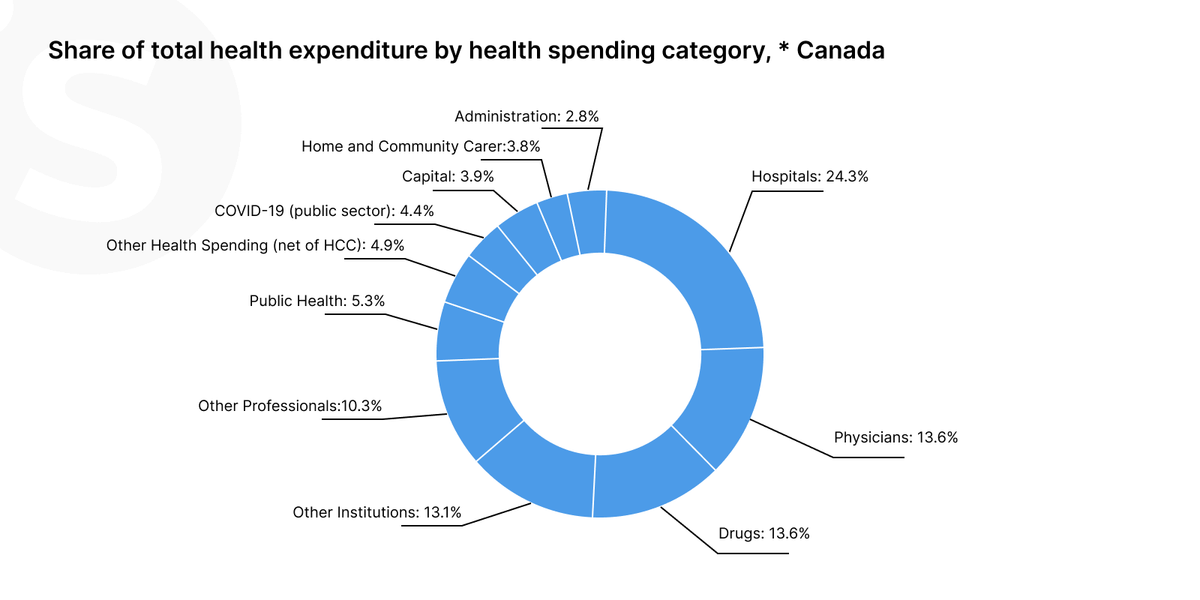
Key findings from CIHI's (Canadian Institute for Health Information) National Health Expenditure Database show that hospitals (24.34%), doctors (13.60%), and drugs (13.58%) make up the lion's share of health spending.
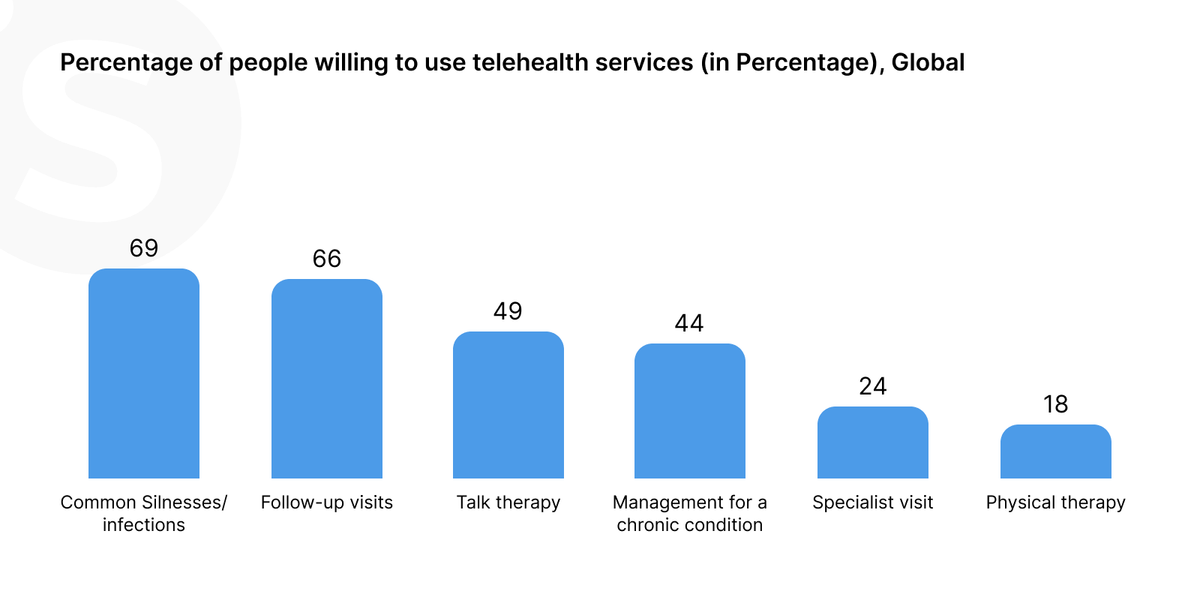
The cost of a personal consultation far exceeds the price of online support, which is why more and more patients use or plan to try remote services. And here are the areas that people are most interested in:
Choose among 120 software specialists
Hire an offshore dedicated team or a few team members for your project. We guarantee 10% of deviation in deadlines and cost.
Hire a teamThe Benefits of Telehealth in Medicine for Patients
These days, there is still a swath of the population who have never tried telehealth options as a part of their healthcare. According to a recent survey, only 41% of Americans are telehealth users, citing convenience and the ability to speak to the provider of their choice the top two reasons why. Before learning about how to develop a telemedicine app you should understand why it is crucial for patients.
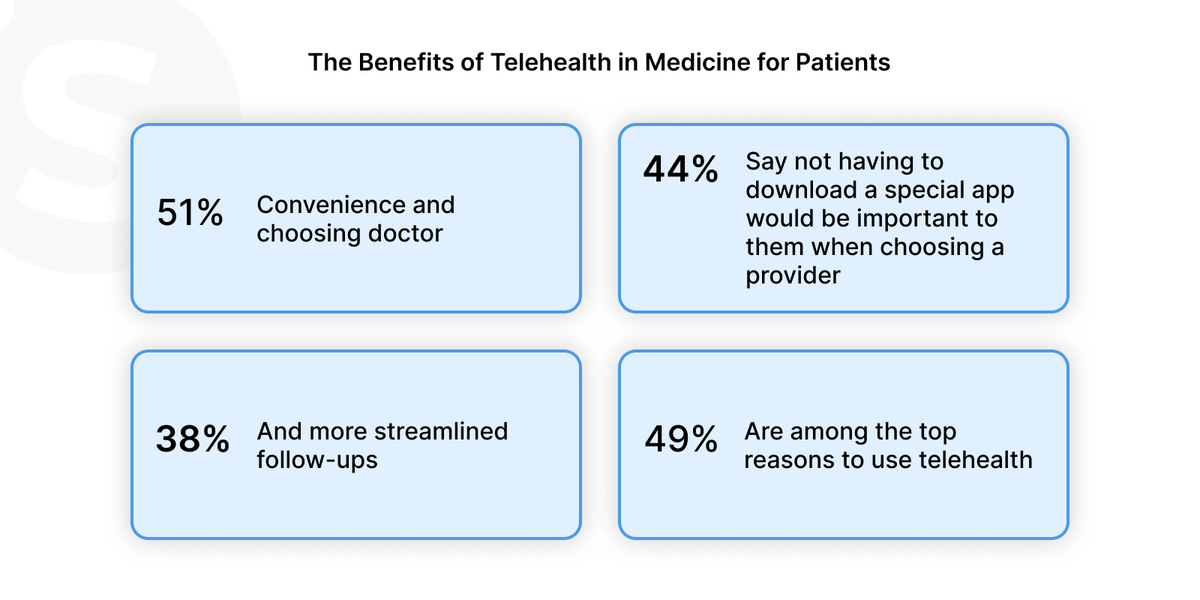
Making Healthcare More Accessible
Telehealth erases the physical barriers for patients and healthcare providers. From the most sophisticated, cutting-edge level, where robotic technology and telepresence are used to facilitate surgery remotely, to something as simple as a breathing exercise app, the industry is able to make healthcare accessible to more people. Going even further, technological solutions to healthcare education have the capacity to inform people on best personal practices.
Reducing the Cost Of Medical Services
In general, creating a telemedicine system is considerably more cost-efficient for the producer and cost-efficient to the patient. In fact, since the medical insurance industry has realized how popular telemedicine options are during the COVID-19 crisis of 2020, many are offering telehealth packages now, bringing more services to the consumer at reduced cost.
Enhancing the Efficacy Of Healthcare
Studies have shown that at least 60% of patients are not forthcoming with their doctors. And bad data can lead to bad decisions. Continuous monitoring from health devices will lead to better healthcare by reducing the doctor's reliance on patient reporting. And by monitoring the administration of medicines and tracking their efficacy in real time, doctors can make more precise, personalized decisions for each patient.
Read also: Pros and Cons of Hyper-Personalized Medicine
Better Prevention
As it is now, healthcare is focused nearly solely on treatment of existing medical conditions. But there is a whole lifetime of activity that comes before the sickness occurs in any given patient. Telehealth, through education and remote monitoring, encourages everyone to make better personal health decisions and provides better preventative strategies than in-person treatment can.
Read Also: Remote Patient Monitoring Software Development
Opportunities You Can Benefit from Telehealth App Development
If you want to develop a telehealth app, you'll want to know what's in it for you. Businesses looking to create totally new telemedicine solutions or add a virtual branch to their existing practice have a range of opportunities they can take advantage of.
Better Security
When security is baked into a product from the ground up, it tends to be less of a target than a hospital with an arcane system that hasn't seen an update since Windows XP. It's true that IT in healthcare is making strides in accomplishing new levels of security, but think of it this way: while each individual system has one or several ways to break in, several interconnected systems will multiply that number of risk factors.
Read also: Hospital Mobile App Development
Flexibility for Staff
Doctors are famously overworked. These days, most doctors spend around 30% of their time actually treating patients. The rest of their 40-50 hour workweek is spent on managing their hospital's part in the healthcare bureaucracy, meticulously documenting everything said and done for insurance and legal purposes. But it doesn't have to be this way.
Doctors working outside the traditional hospital setting can benefit from technological solutions — call recording and transcription, automatic billing, eRx, and EHR can reduce the administrative burden and allow them to focus on treatment. And when neither party has to commute 90 minutes both ways for a 15 minute meeting, the satisfaction for both can only grow.
Is Telemedicine System a Worthy Investment?
Find out about the factors that contribute to the final cost of a telemedicine software implementation.
Talk to usAccessibility for Patients
If you live in the middle of nowhere, your doctor is most likely miles away and it's way more likely you're getting substandard care. And who wants to commute all that time just for a quick screening and a talk about your diet?
Telehealth practitioners have gotten waivers for cross-border practice in the US, with some states simplifying the procedure to get a permanent license once the Covid-19 crisis is over. This will make healthcare more accessible to the patient than ever before, and therefore broaden your target audience to a national (and perhaps global) level.
Types of Telemedicine Applications
Before we learn about telemedicine mobile app development, we need to understand the types. Different telemedicine software features are present in each separate offering on the market, and most can be divided into a specific category based on what feature set they present.
On-Demand Urgent Care
Urgent care is one of the best candidates for digitalization. About 20% of urgent care currently provided in a hospital setting can be conducted digitally, according to data from McKinsey.
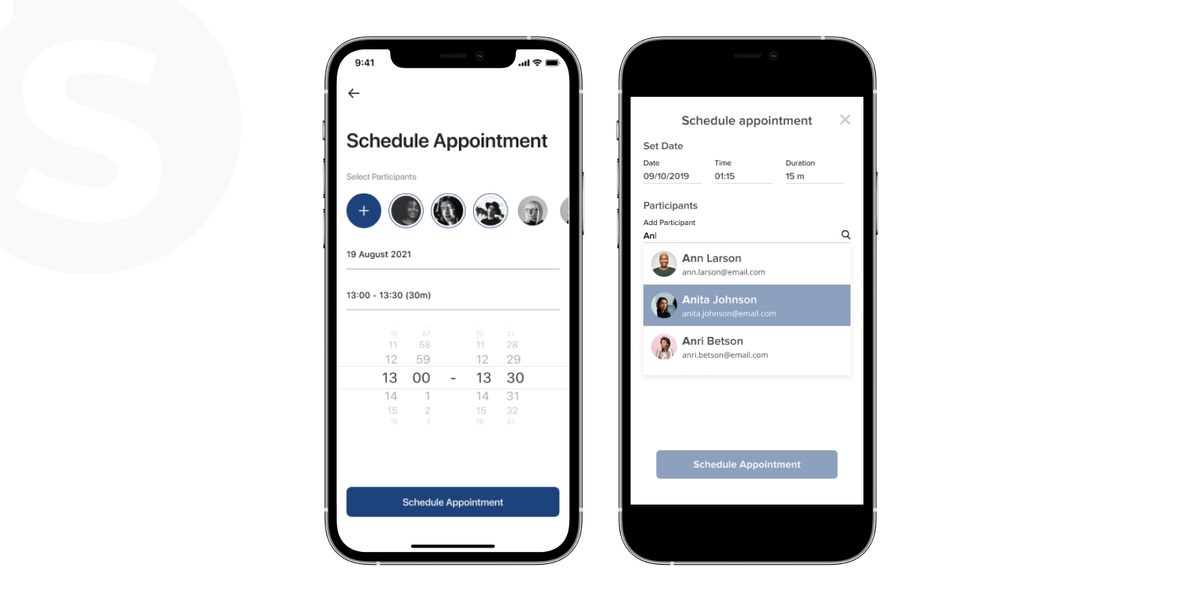
Developing a custom telemedicine app in this niche would include video and audio calling capabilities, calendar and schedule management features, staff management tools, as well as EHR support and basic document management.
Examples of on-demand urgent care apps include Teladoc, Amwell, and Doctor on Demand.
Planned Care
Planned care is an umbrella term for any healthcare that's not conducted in an emergency room. Such care that does not involve a physical examination or tests can also be virtualized. Since at this time it's only possible to administer some elements of a physical examination remotely, virtual planned care is envisioned as a tool for following up with the doctor after an in-person visit.
An application like this would include secure video and audio calling capability, as well as text chat, among other patient-facing features, like test result monitoring, scheduling, et al.
Examples of planned care apps are Maven, MyChart, and Curology.
Mental Health
Telemedicine mobile app development is gaining speed as people around the world are becoming more comfortable conducting everyday activities in a video chat setting. Moreover, bringing mental health services to the patient's home may improve results by improving their feeling of safety and security. Telepsychiatry was proven to be effective when treating PTSD, ADHD, and depression.
Read also: How to Create a Mental Health App
This is another telehealth application where video and audio chatting capabilities are essential, along with eRx support. Integrations with other tech and wearables are not required, on the other hand.
Examples of mental health care apps include BetterHelp, Talkspace, and Ginger.
Self-Care Tech
Wellness is a booming industry, and it intersects quite well with the goals of telemedicine. There are already tons of apps in this space, but few involve professional support for users. It is true, however, that telehealth as a support system for independent self-care has shown efficacy in managing long-term conditions like heart failure and stroke, respiratory diseases, as well as others.
If you want to develop a telehealth app dedicated to self-care, you will need to think about integrating other digital products (like wearables), plus communications options that are not limited to video and audio chat. Systems of notifications and education options are also a must.
Examples of self-care apps are MyFitnessPal, Headspace, and Aaptiv.
Telemedicine App Features for Patients
How to develop a telemedicine app and succeed? Below you will find a list of features of telemedicine to consider when developing your custom solution.
Core Features
Registration
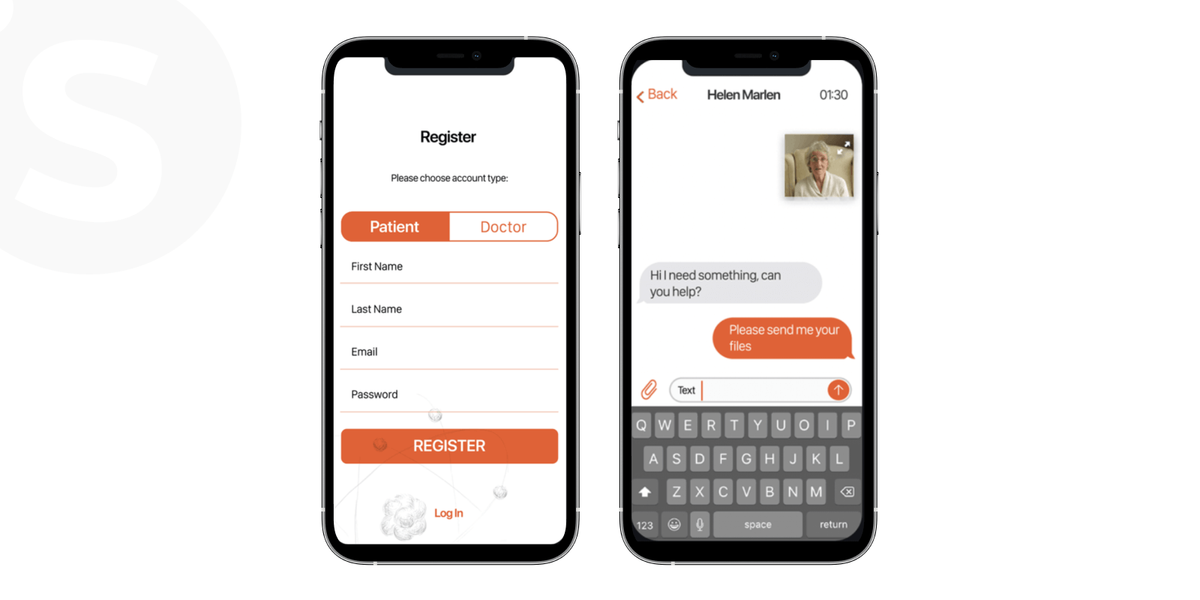
If you're thinking this is a simple feature, don't be deceived. Registration of patients for telemedicine must comply with EHR integration standards (not to mention a host of other regulations), support document uploads, all while ensuring data security. Additionally, third-party integrations such as Facebook, mobile carriers, and email service providers should be considered.
Read also: How to Create a Telemedicine EHR Software
It is crucial to include data privacy and other policy agreements accessible when you develop a telehealth app.
Home Page
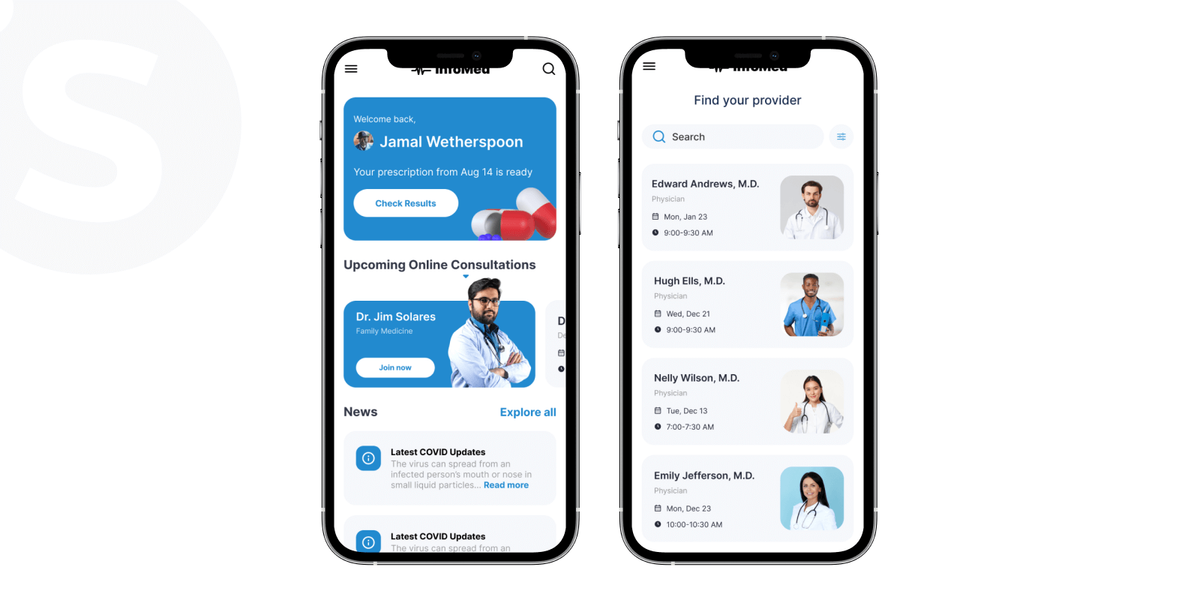
This is the screen that users see once they've completed the registration process, as well as every time they open the app. Its contents will depend entirely on what your app is designed to do. Also, it may include a search function that allows patients to find specific information or services within the app.
The home page should be designed to provide patients with a seamless and intuitive user experience, helping them better engage with the app and manage their health effectively.
Personal Profile
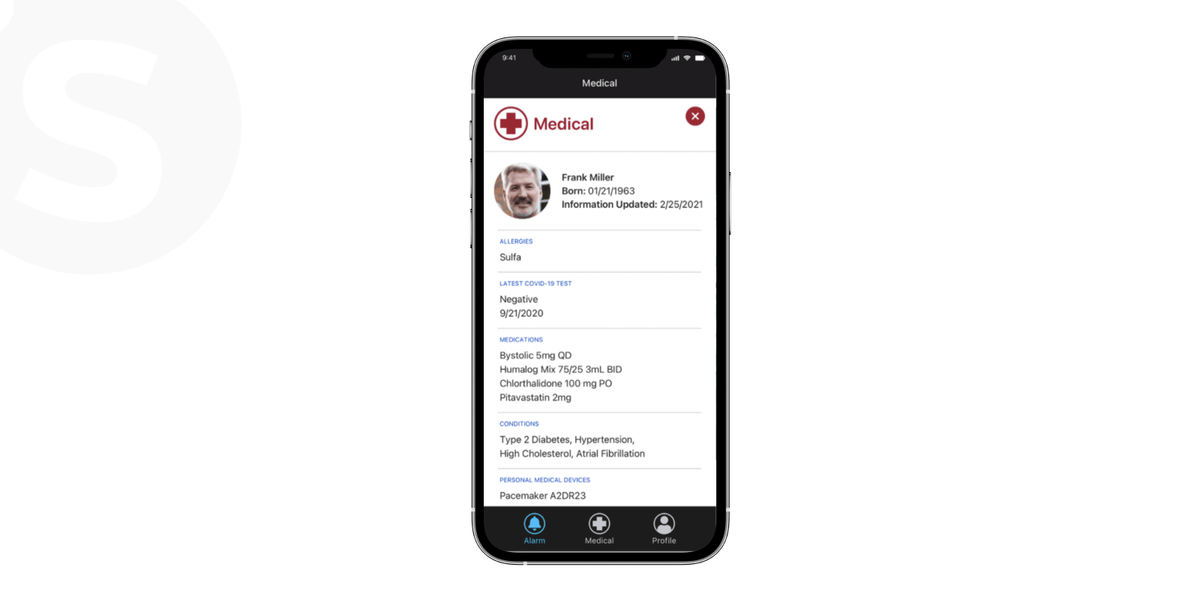
The personal profile includes the patient’s name, contact information, insurance details, medical history, personal preferences, and location. This way, users can manage appointments, view past visit summaries, and update billing information and doctors gather critical information before the meeting.
Video Calls
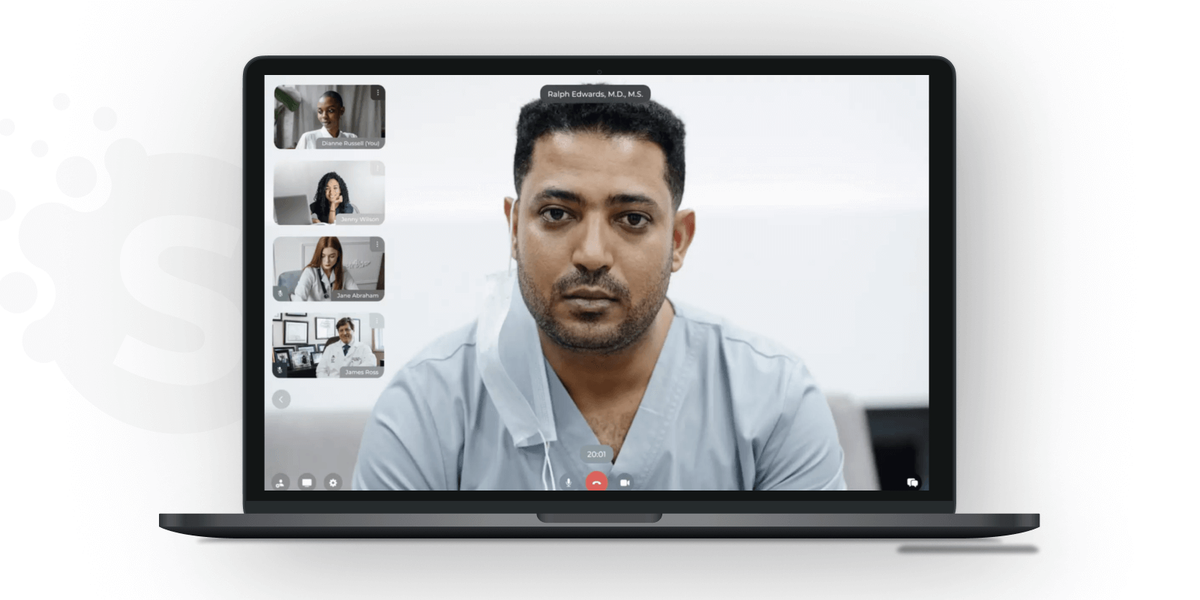
The key feature of most telemedicine products is video chat, allowing patients to have virtual consultations with their doctors. Moreover, HQ video and audio are a must — not in the least because healthcare professionals want to facilitate more personalized care and use visual cues to determine the diagnosis.
Video calls may include additional features such as screen-sharing, chat functions, and virtual whiteboards to enhance communication and the consultation experience.
Want to hear about how we implement efficient and secure video chat with our proprietary VidRTC engine? Contact us here.
Text Messaging
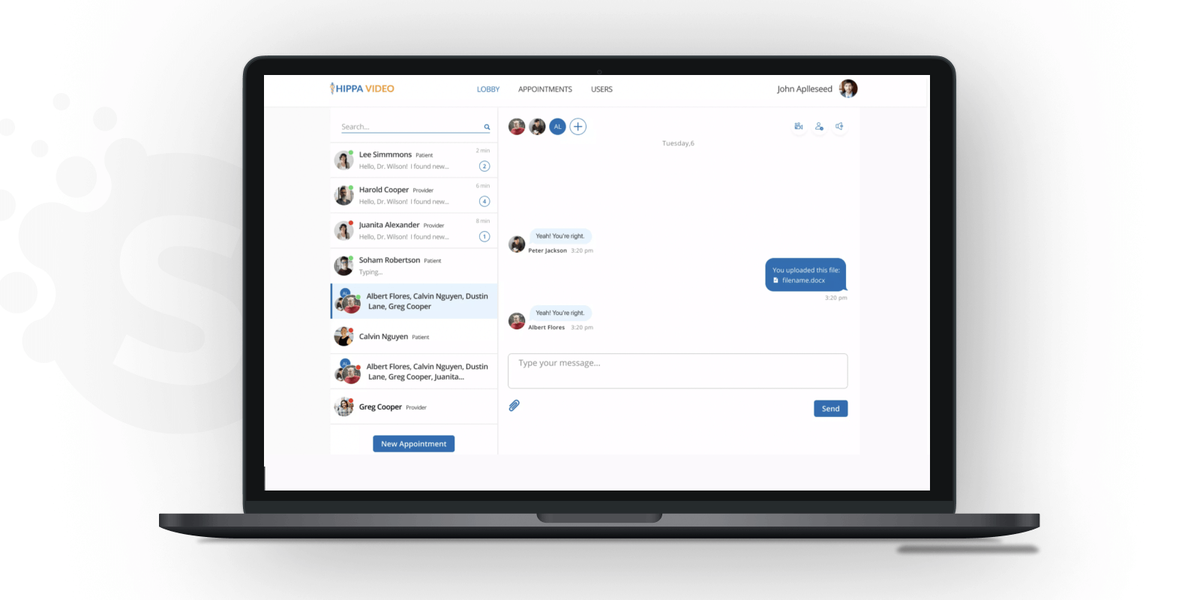
Some issues are too minor to discuss through a video call. Instead, they can be discussed through a secure messaging system. Also, it is particularly useful for non-urgent queries, follow-up questions, or prescription refills.
This feature enables patients to have ongoing communication with their healthcare providers and receive timely responses to their inquiries. It reduces the number of unnecessary phone calls and in-person visits to the doctor's office.
Through this mode of communication, patients should also be able to share multimedia with their doctors.
Scheduling
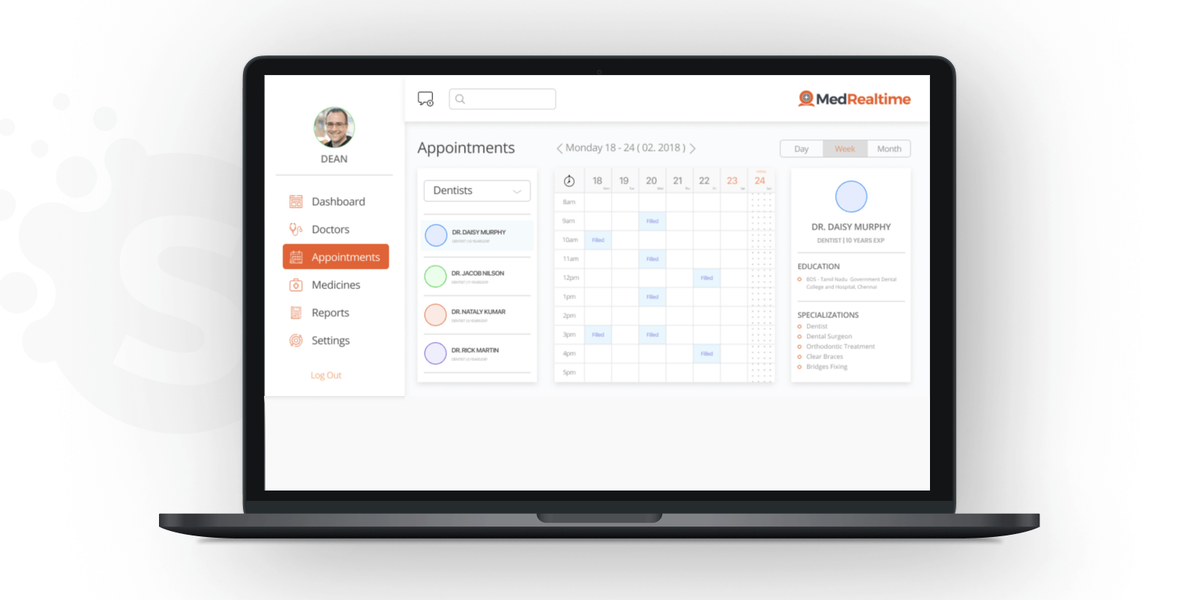
Scheduling is a vital telemedicine app feature for patients, allowing them to use a calendar or availability grid and book, reschedule, or cancel appointments with healthcare providers. Once the doctor approves the requested appointment, the patient should receive a confirmation. Google Calendar integration is a must, as well.
Read also: How to Develop a Custom Doctor Appointment App
Notifications
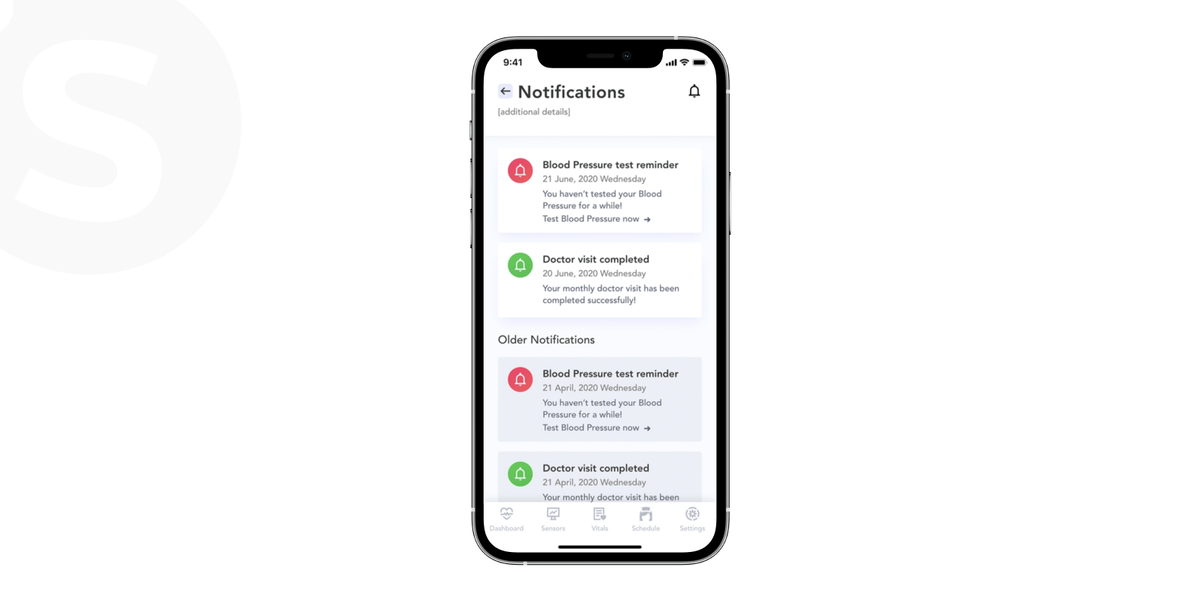
Along with calendar notifications, custom ones can be used to remind users of crucial information, such as monthly or annual visits, prescription renewals, and doctor requests. Also, provide patients with real-time updates on their health status, such as notifications about available results or health tips and other educational materials.
Notifications can be delivered via text message, email, push notifications, or in-app alerts. These reminders help patients stay on track with their treatment plans and ensure they don't miss necessary appointments.
Payment Processing
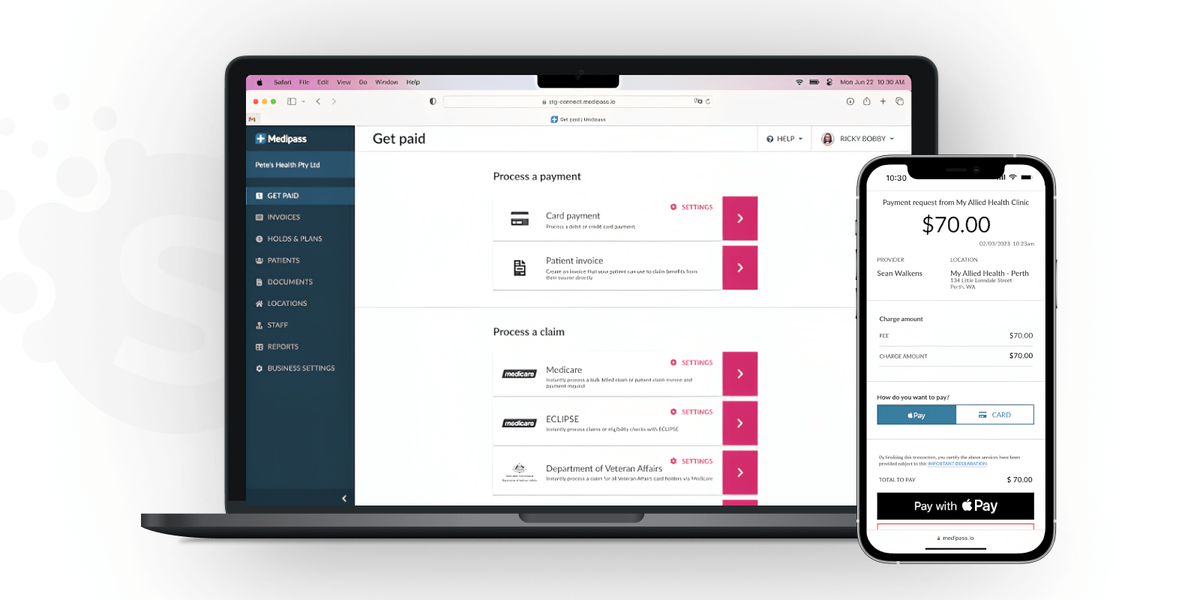
This crucial feature enables patients to securely and conveniently pay for medical services rendered through the app. It should allow various payment options, such as credit/debit cards, PayPal, or others. But be sure to use encryption and comply with industry standards to protect patient data and financial information.
Nice-to-Have Features
Reviews
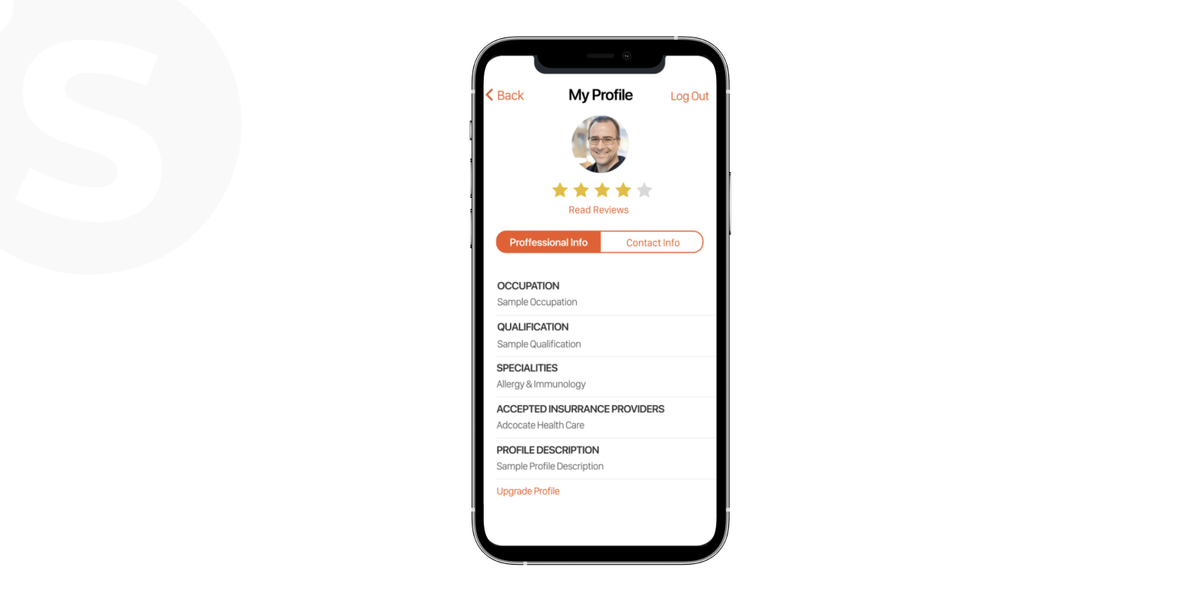
Patients should have the ability to review their appointments. By collecting feedback, doctors can track their performance and make necessary adjustments. Additionally, it will allow patients to make more informed choices about the specialists they're talking to.
Reviews may include ratings on provider communication, wait times, attention to detail, treatment success, and overall satisfaction.
Integration with Wearables
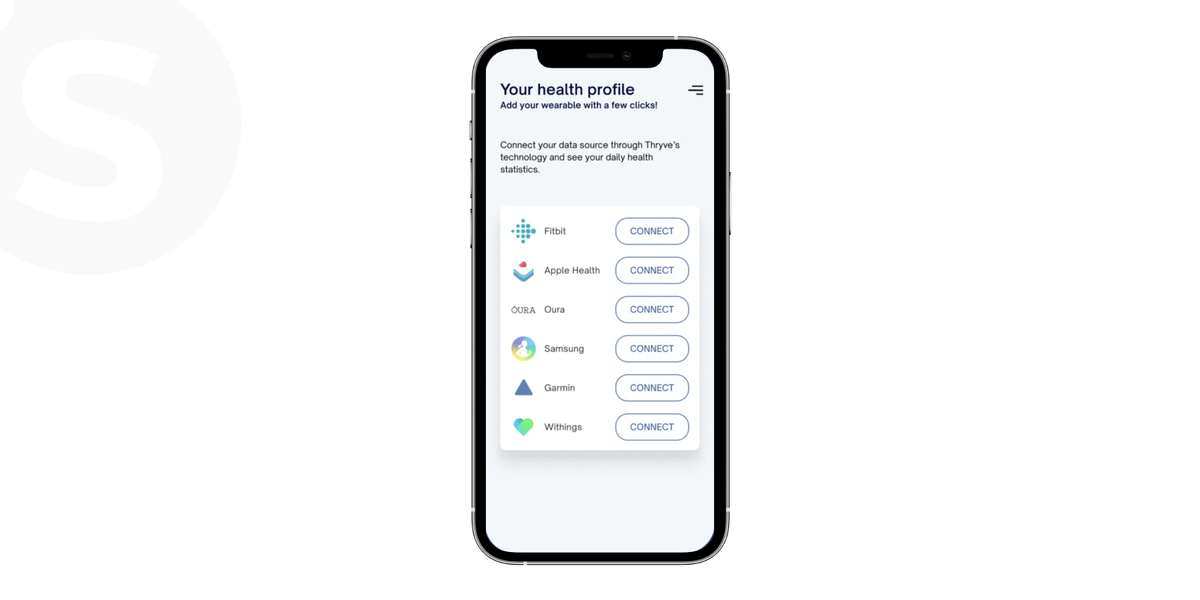
Integration with wearables and other health tracking devices allows doctors to remotely monitor a patient's health condition and provide more accurate diagnosis and treatment. This feature can also bring patients with better health insights and help them to track their progress more efficiently.
Integration with Pharmacies
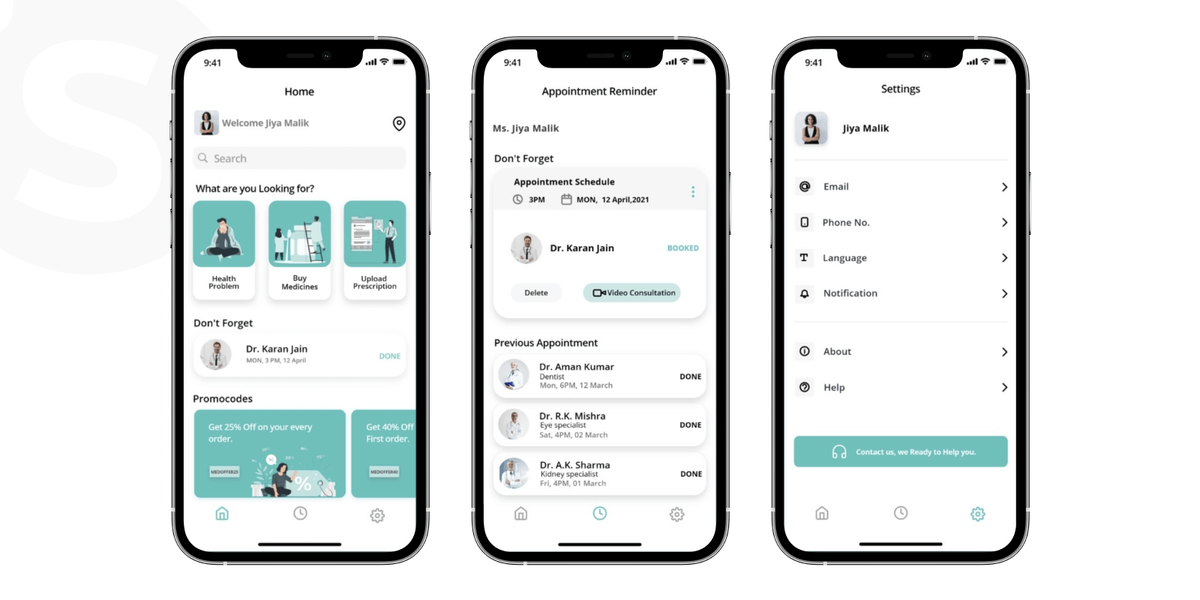
Integrating with pharmacies, patients can receive their prescribed medication directly at their doorstep. This feature would be convenient for patients who live far from a pharmacy or have difficulty leaving their homes. Additionally, it may include the ability to request prescription refills and view prescription history.
Health Questionnaires
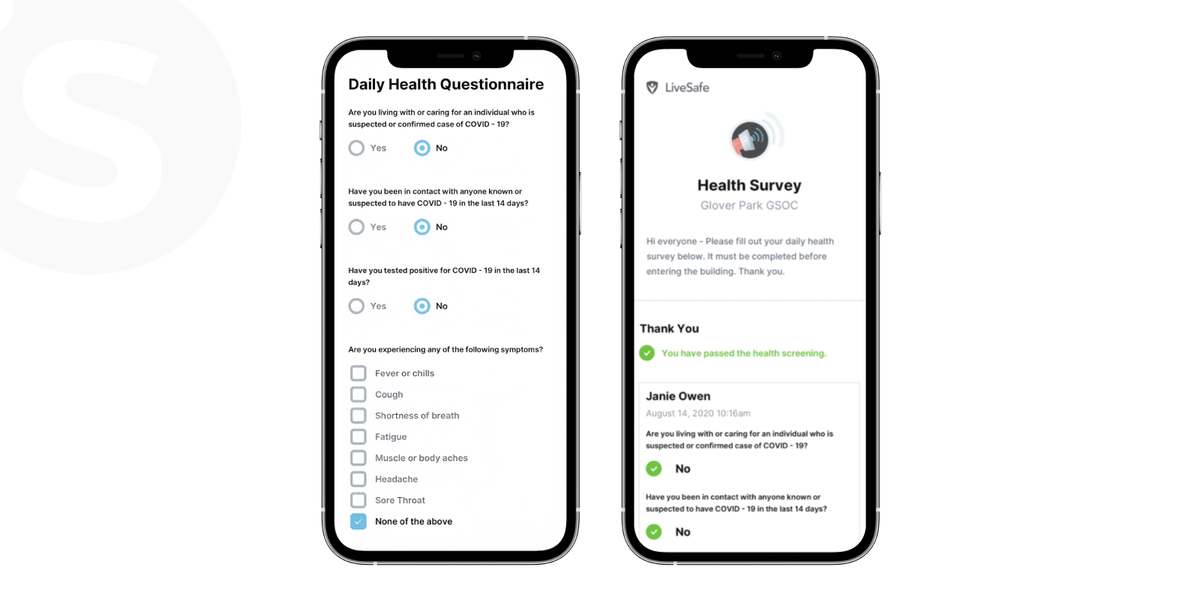
Allow patients to fill out their health information and send it to their healthcare specialists before the telemedicine appointment. It can cover medical history, current symptoms, lifestyle, and mental health. Questionnaires help doctors save time and focus on specific areas of concern without collecting basic information.
Family Access
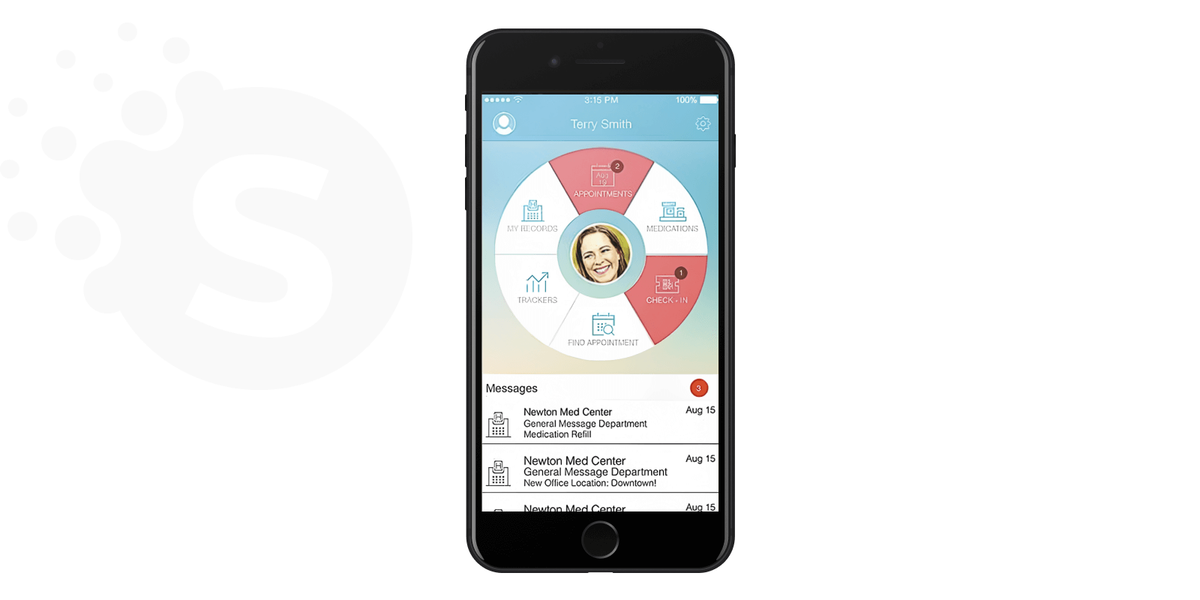
This part of the telemedicine app development process is particularly useful for families with children or elderly members who may require care. With family access, users can manage appointments, view medical records, and communicate with healthcare providers for their family members, all from one account.
Symptoms Tracker
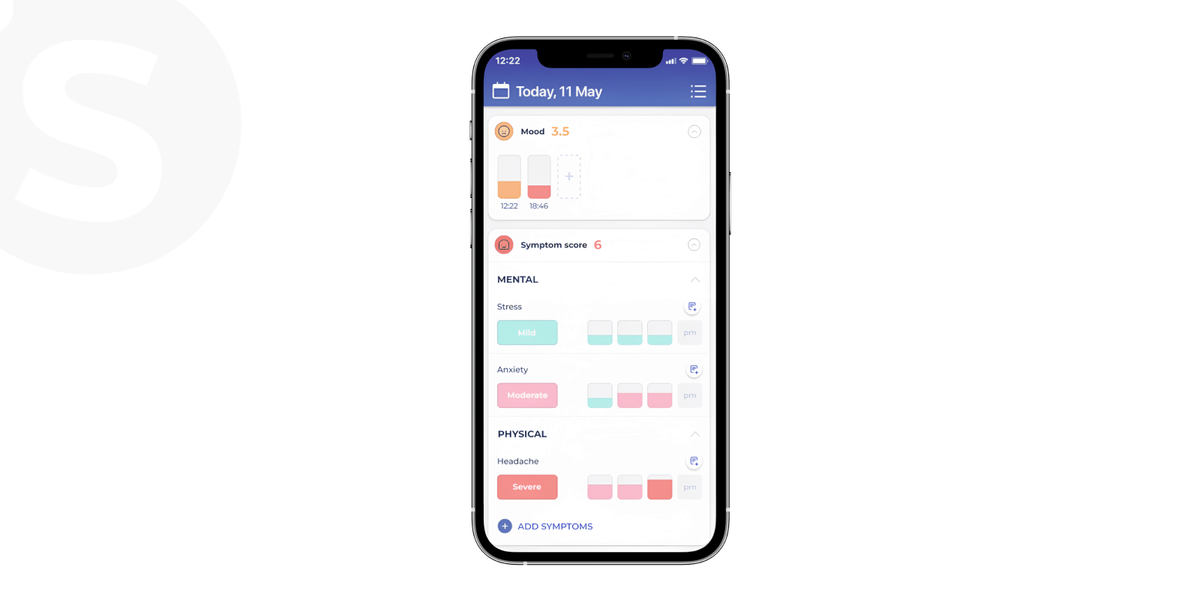
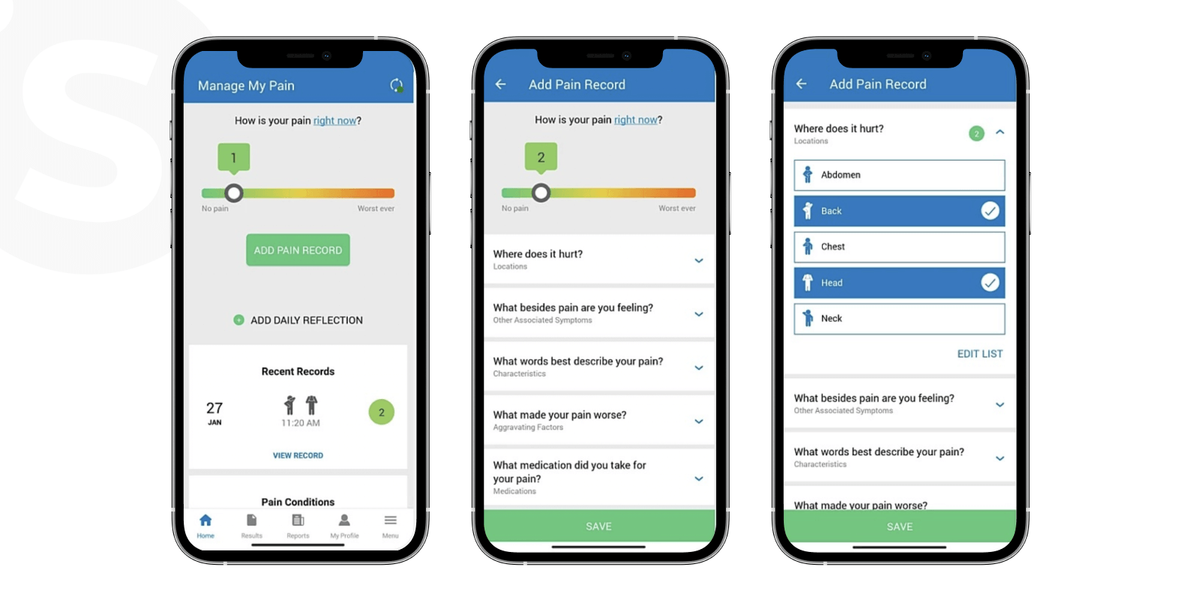
A symptom tracker is a tool that enables patients to log and monitor their symptoms over time. It allows patients to keep track of their health and share their symptom history with their healthcare providers. With it, patients can record symptoms such as pain, fever, cough, fatigue, and more, along with their intensity, frequency, and duration.
Gamification or Rewards Programs
This feature involves incorporating game-like elements and incentives into the app to motivate patients to adopt and maintain healthy behaviors. It can include challenges, achievements, points systems, and other interactive elements that encourage patients to engage with their health and wellness in a fun and rewarding way.
Telemedicine App Features for Doctors
If you wonder how to build a telemedicine platform that will be helpful for doctors, consider these features:
Core Features
Doctor’s Profile
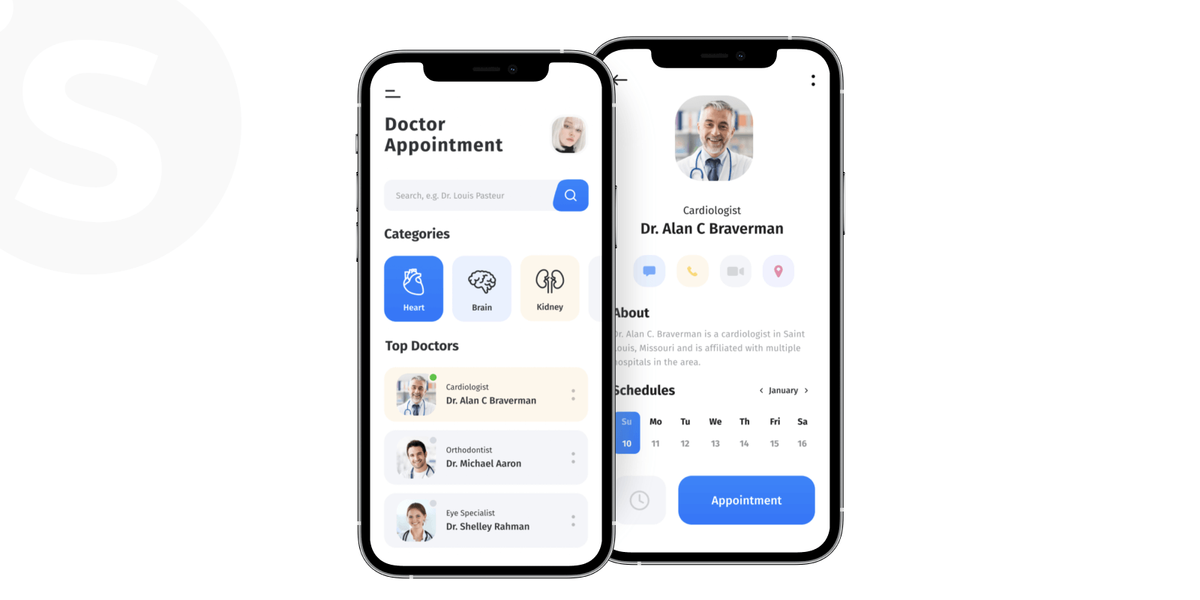
Doctors have to provide their qualifications and credentials, such as education, internships, work experience, and certifications. Their profiles should also include internal information, such as ratings, shifts, and important hospital notifications. This way, health providers build trust, and patients can use it to select a doctor that best suits their needs and preferences.
Electronic Health Records
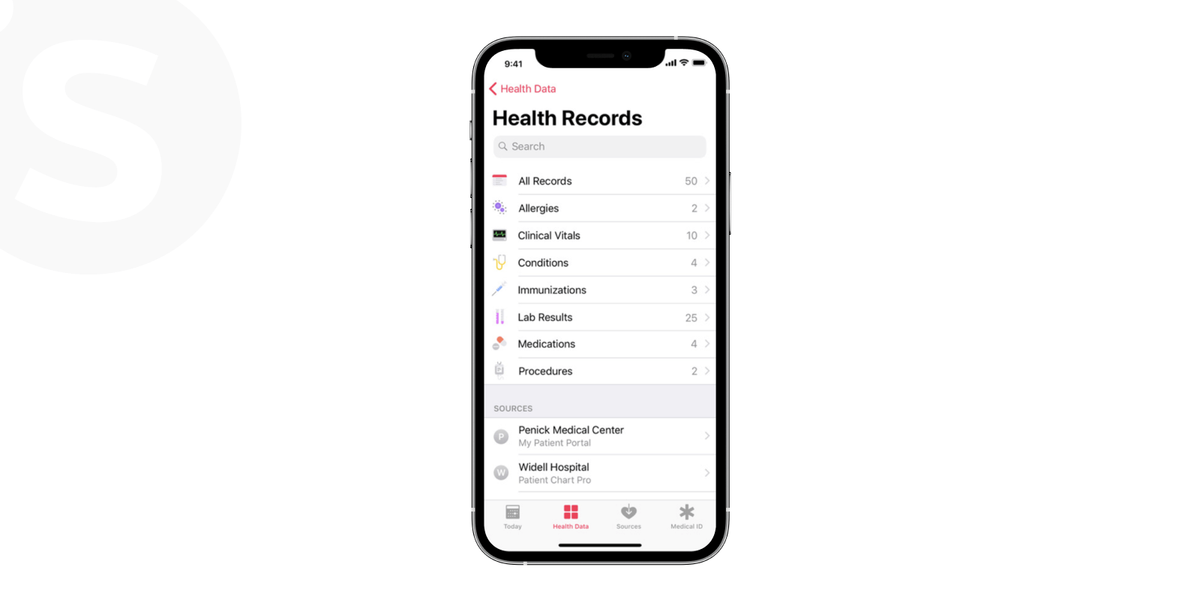
When doctors get notified about an appointment, they should be granted access to the patient’s medical file. This is absolutely necessary in order to provide an accurate consultation and diagnosis. The telemedicine solution can be further enriched with additional features such as the patient’s treatment history, graphs with treatment dynamics, and eRx.
Doctor’s Calendar
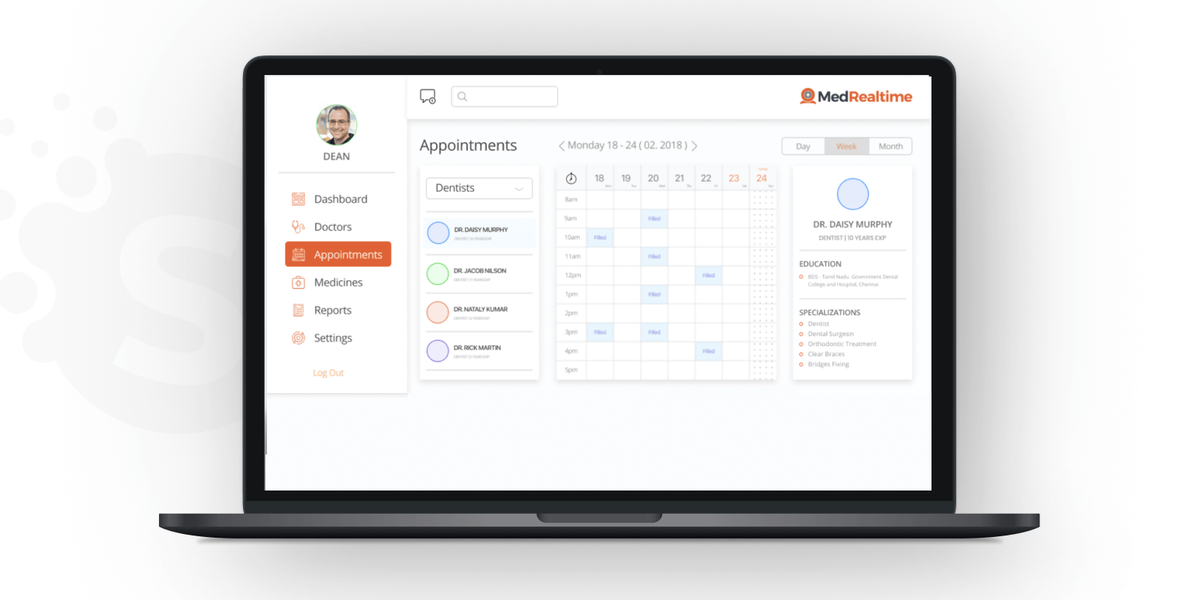
With this feature, physicians can easily schedule, reschedule or cancel appointments, view patient histories and notes, and automatically update the doctor's calendar to avoid double booking. It helps manage professional activity and reduces the administrative burden for doctors and clinics.
Video and Text Communication
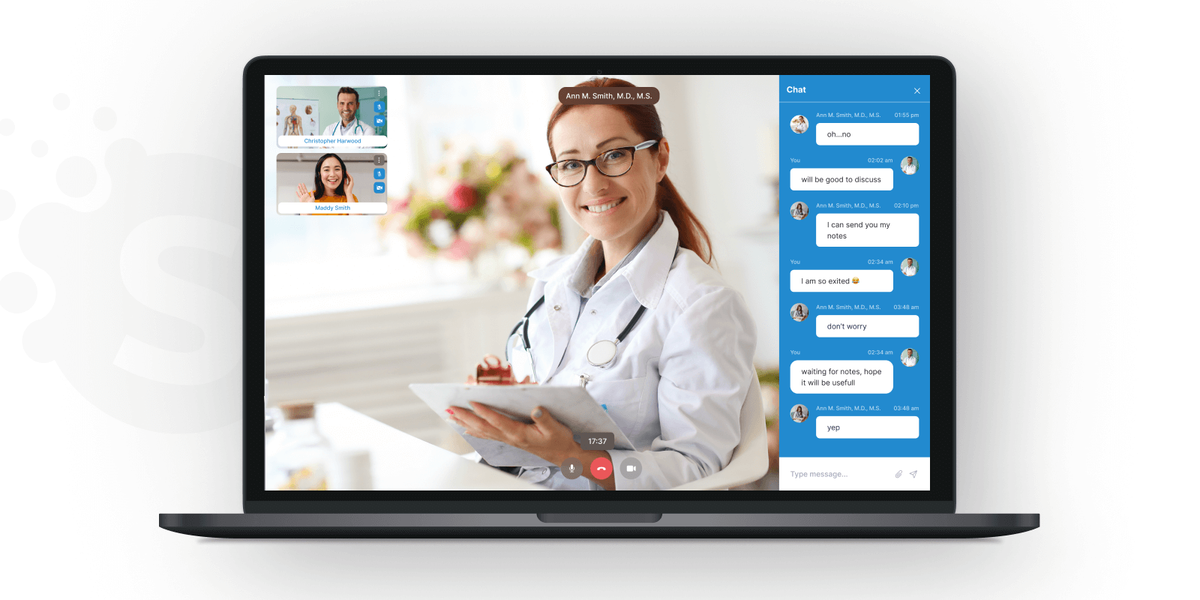
Doctors, like patients, will also need video and text connectivity. Keep in mind that doctors may need to contact patients after an appointment for follow-ups or results. Thus, text messages are critical because they enable the doctor to communicate directly and immediately with the patient without the need for another appointment.
Billing and Payment Processing
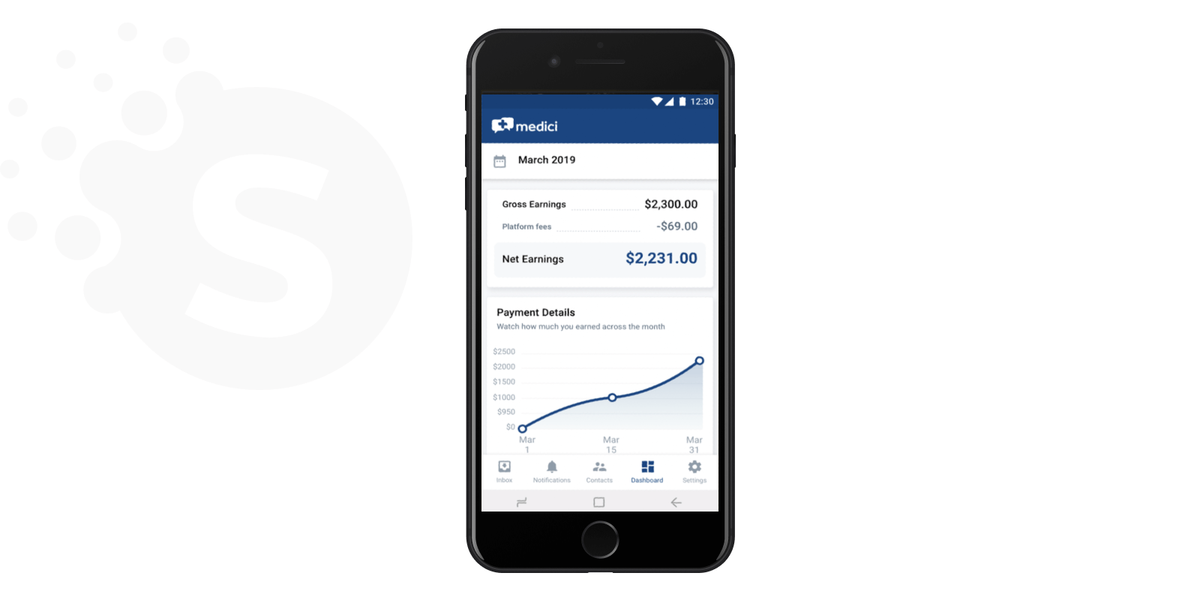
This feature enables physicians to create and send invoices to patients, track payments, and process them securely within the app. It helps streamline the payment process, reduce errors, and improve financial management. Also, you can include the ability to generate reports on revenue and payments, track outstanding balances, and automate reminders.
Nice-to-Have Features
Internal Data Exchange
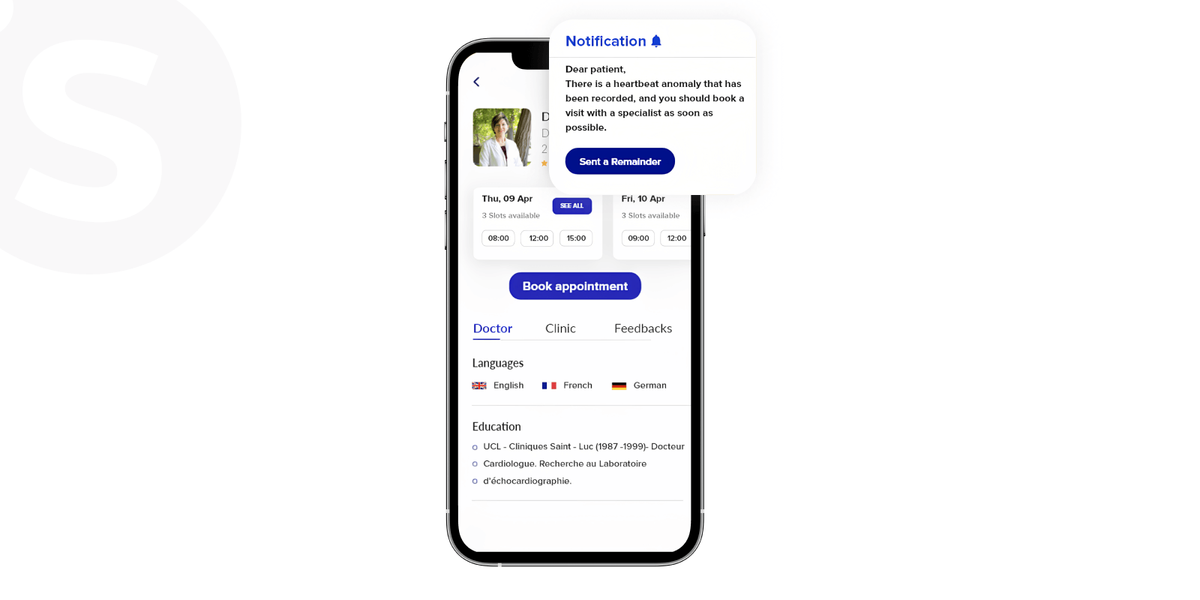
In your telemedicine mobile app, physicians can also need to exchange data between departments — for example, to transfer their patients to other specialists. The feature typically includes tools, such as messaging and file-sharing capabilities. Data exchange allows for collaborative care, better decision-making, and improved patient outcomes.
Integration with Medical Devices
Internet of Medical Things (IoMT) provides the ability to connect with medical devices such as blood pressure monitors, glucose meters, and EKG machines to collect real-time patient data. It allows for remote patient monitoring, reducing the need for in-person visits and improving treatment efficiency.
AI-Powered Diagnosis
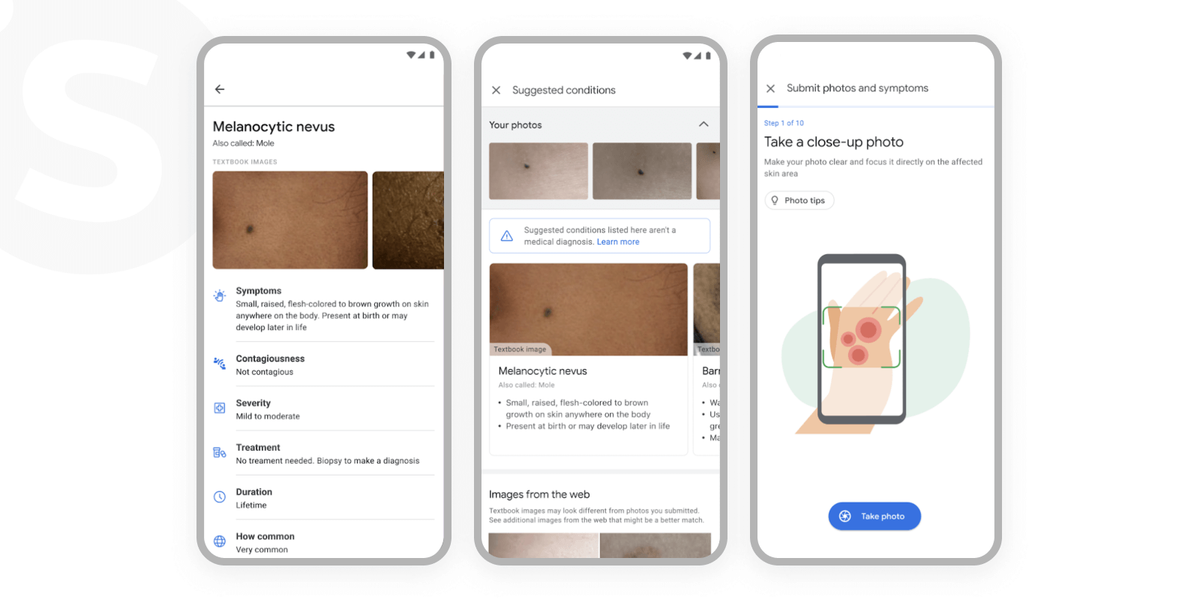
Artificial intelligence (AI) algorithms can analyze data from patients' medical records, lab results, and other sources to provide doctors with crucial insights. It helps specialists make more accurate and timely diagnosis, improve patient outcomes, and reduce medical errors.
Customized Treatment Plans
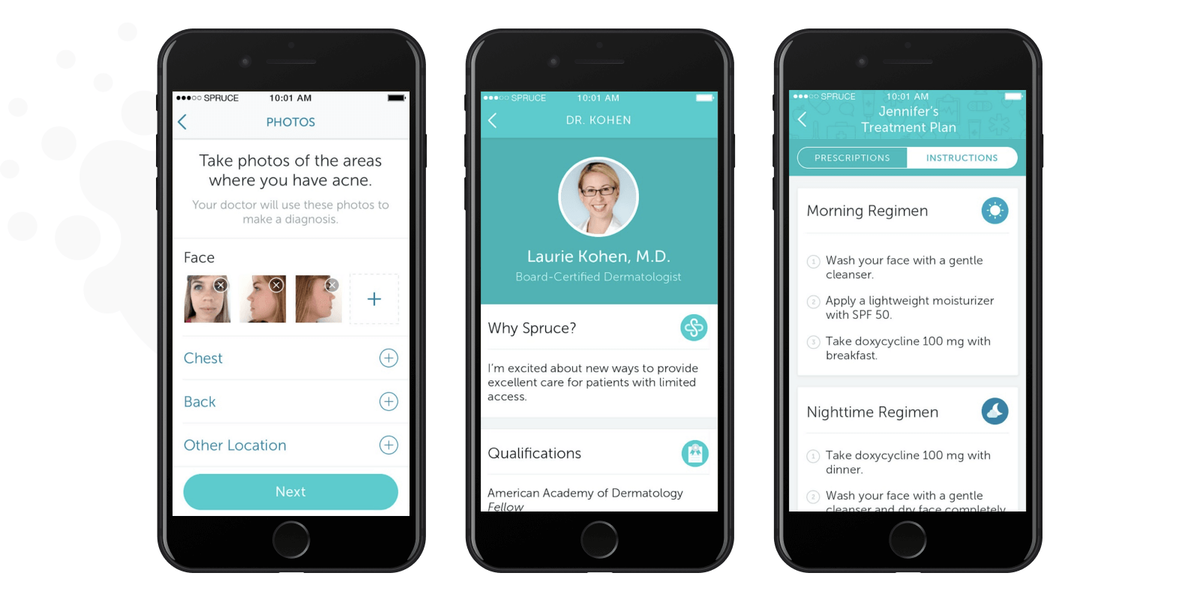
These plans are based on the patient's unique health conditions, medical history, and preferences. They can include recommendations for lifestyle changes, medication management, follow-up appointments, and other treatment options. This way, doctors provide more personalized and effective patient care, improving health outcomes.
What Is Usually Included in Telemedicine App Development Cost?
There is no one number to speak of when it comes to app creation cost since there are so many variables in this equation. The chief factor among these is whether you will go for remote telemedicine mobile app development or use an in-house team. But beyond that, any building process will be unique, save for the general outline.
Discovery
All the groundwork related to creating an application in the healthcare space goes on in the very first phase, called the Discovery stage. The scope of work includes market research and creating a go-to-market plan, figuring out the infrastructure and choosing the architecture for the application. This is also the part of the process where telemedicine app design takes place — the wireframing of the entire MVP. All the work done in this stage is necessarily concurrent because of how each part influences the others.
The Discovery stage of product development will involve, at a minimum, a Business Analyst, a Designer, and an Architect. Depending on the scope and depth of their work, it may take from weeks to months and cost anywhere between $5,000 to $15,000.
This work can be done in as little as two weeks and can potentially go on for months, if not years. We've developed a fair few telemedical applications, so why not get in touch with us and let us help?
MVP Production
Once everything is squared away on the business end, we can start to develop custom telemedicine software. Depending on the scope of the project, you'll need one or several of each: a Project Manager, Tech Architect, Developers, Quality Assurance Engineers, and Designers on your team.
As all first versions, MVPs are there to test the concept and whether the idea can find footing in the market.
Let’s evaluate the mandatory components of creating an application:
*Hereinafter, we will calculate the cost considering the $50/hour rate.
| Component | Estimated Time | Estimated Cost |
|---|---|---|
| Architecture | 40-60 hours | $2,000 - $3,000 |
| Server interaction & API | 20-30 hours | $1,000 - $1,500 |
| Database | 30-40 hours | $1,500 - $2,000 |
| Admin panel | 230-250 hours | $11,500 - $12,500 |
| Total | 320-380 hours | $16,000 - $19,000 |
And here are the time and money costs for creating core app features:
| Feature | Estimated Time | Estimated Cost |
|---|---|---|
| Registration | 40-60 hours | $2,000 - $3,000 |
| Personal Profile | 40-60 hours | $2,000 - $3,000 |
| Filters | 40-60 hours | $2,000 - $3,000 |
| Video Calls | 120-160 hours | $6,000 - $8,000 |
| Text Messaging | 80-120 hours | $4,000 - $6,000 |
| Scheduling | 40-60 hours | $2,000 - $3,000 |
| Notifications | 40-60 hours | $2,000 - $3,000 |
| Reviews | 40-60 hours | $2,000 - $3,000 |
| Payment integration | 80-120 hours | $4,000 - $6,000 |
| Total | 520-760 hours | $26,000 - $38,000 |
The length of this stage depends on the depth of groundwork done in product discovery, typically more than two months. It's important to remember that from a business perspective, making it exist and putting it out there is much more important than making it perfect. Therefore, MVPs are notoriously buggy and lacking in features. Which brings us to the next phase:
Support
After launch, work on support and further development begins. The QA team works through existing bugs, while BAs work on the flow of the product and figure out the next steps. At this stage, the developer team is sometimes smaller than the original developer team, but their work on the app continues in a similar vein, same as designers.
This stage of development is continuous and goes on as long as the product exist, so no real timeline or cost can be defined. Typically, ongoing maintenance and support can cost 10-20% of the total app cost per year.
For more information on the step-by-step of developing a telehealth product, the cost of developing an MVP and adding new features to it, check out our guide.
Best Tech Stack for Telehealth App Development
Now that we've seen how to build a telemedicine platform, let's look at what technologies are best used to get to that goal.
Telemedicine App Beck-End Tech Stack
The back-end of a telehealth app typically consists of a server, a database, and an API. For it, you can use:
- Programming languages: Java, Python, Ruby, PHP, Node.js
- Frameworks: Spring Boot, Django, Ruby on Rails, Laravel, Express.js
- Databases: MySQL, PostgreSQL, MongoDB, Cassandra
- Cloud platforms: AWS, Google Cloud, Microsoft Azure
- APIs: RESTful APIs, GraphQL
- Communication protocols: WebRTC, SIP
Telemedicine App Front-End Tech Stack
The front-end of a telehealth app covers the user interface, which is what patients and doctors interact with. These popular tools may be helpful:
- Programming languages: JavaScript, TypeScript, HTML, CSS
- Frameworks: React, Angular, Vue.js
- Telemedicine mobile app development: React Native, Flutter
- Libraries: Redux, React Native WebRTC
- Design tools: Sketch, Figma, Adobe XD
It's worth noting that the specific tech stack used for a telehealth app may vary depending on factors such as the app's functionality, scalability needs, and development team's expertise.
But that's just the foundation — there is more tech to consider when developing a healthcare app for doctors and patients.
| WebRTC | WebRTC is a technology enabling web and mobile applications. It provides real-time communication via simple application programming interfaces. WebRTC helps users connect directly into the user experience you create. Implementing it through the development of a telehealth mobile app allows deploying text chats, secure voice exchange, screen sharing, live videos, and store-and-forward data transfer. |
| EHR | They are often built on Rails, GraphQL, et al. They make information available instantly and secure information to be accessed only by authorized users. There are already several existing options on the market that you can integrate with. |
| Interactive Voice Response (IVR) | IVR is an automated telephony system technology, like a chatbot that talks. It works in a way that enables computers to interact with humans through an IVR script, with the use of voice and DTMF tones. |
| HealthKit Integration | Google Fit is a health-tracking platform developed by Google for the Android operating system (and recently available on iOS devices too). Apple HealthKit is developed for iOS and consists of HealthKit, CareKit and Research Kit that form the ecosystem. There are also numerous other devices and ecosystems your product can hook up to. |
| Chatbots | Programmable conversation bots can look as simple as interactive intake forms or as complex as diagnostic tools, checking if patients experience one symptom or another. There are also a number of existing systems that you can integrate into your product. |
Tips and Challenges to Watch Out for While Building a Telehealth App
We've got some experience developing and launching healthcare products and want to share the biggest three of the common pitfalls we see in the process of providing telehealth app development services.
Pay Special Attention to the UX
If you want to know how to build a telemedicine platform, do not forget about UX design. Since the mission of telehealth is to make better healthcare more widely available, your app shouldn't get in the way of it. Keep simplicity and ease of use as your biggest goals.
Poor usability of telehealth software reduces the chances that this platform can be successful even if it’s a revolutionary idea in medicine.
Hire a Cybersecurity Specialist
Look at this list of the biggest security breaches in history. See how many of the companies are in the healthcare industry? And the reasons for the breach — "hacked" and "poor security" are the top two options. As a healthcare business, the last place you want to be is that list. Hiring a cybersecurity expert will help you solve this issue before it occurs.
20.5%
According to a Mordor Intelligence report , between 2022 and 2027, the CAGR of the telemedicine market will become 20.5%.
Listen to Users
Too many businesses fail because the decision makers are too mired in all the spreadsheets and analysts pulling them in different directions to listen to common sense. And your users are willing to give it for free — so make sure you listen and make sure they know you're listening. By the way, if your business model differentiates "users" and "service providers", listen to your doctors, too.
Softermii Experience
New and existing businesses that want to capitalize on current telehealth trends in the healthcare industry need an experienced partner to guide them through the intricacies of such development.
Softermii has the necessary experience to bring your idea to market. We have a proven track record of success, as seen in these case studies highlighting our work on the HIPAA Video and MedRealtime projects.
Partnering with developers experienced in the healthcare app development industry is a great strategy for companies breaking into the lucrative telehealth market. They will have already addressed many issues that will materialize during product development and streamline project completion.
HIPAA Telmed
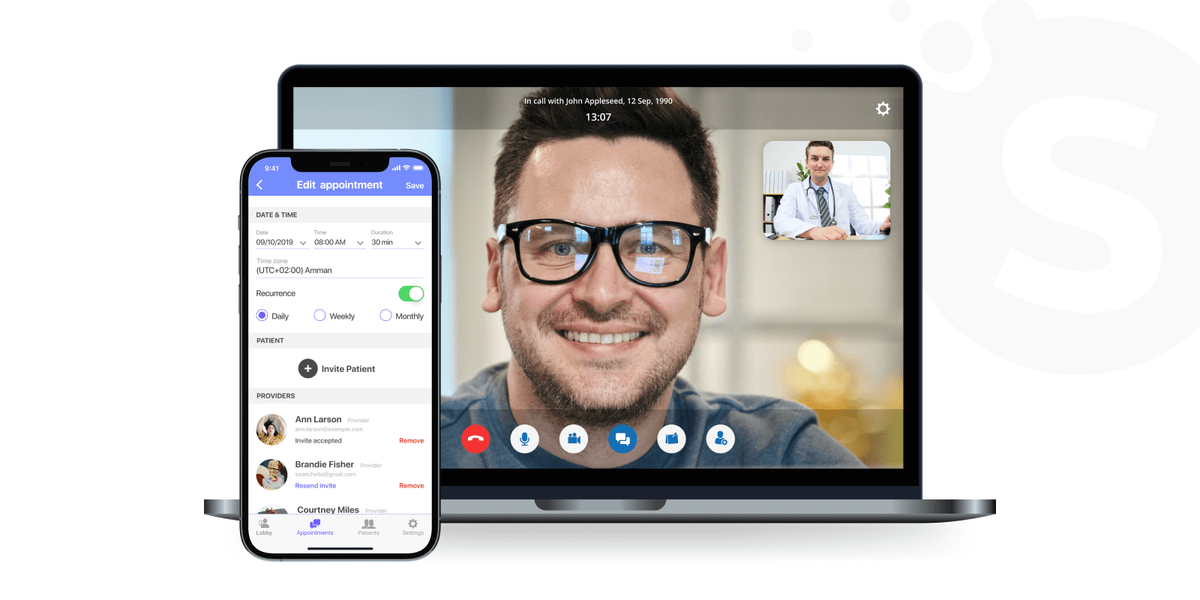
HIPAA Telmed is our telemedicine application that helps conduct video conferences and ensures better communication between patients and doctors.
Challenges
Development of an application that improves communication and reduces healthcare costs in the US and the entire world. Implementation of legacy technologies to create a HIPAA-compliant app.
Read also: Cost of Telemedicine Software
Solution
Implementation of WebRTC, TSL, TDL and Role-based Authorization technologies allowed us to comply with all HIPAA regulations and create multi-peer video conference connections.
Basic features
- Full-HD real-time video streaming
- HIPAA compliance
- Portable device compatibility
- Security encryption of all data
- Appointment scheduling
- Whiteboard functions
- Read more here
MedRealtime
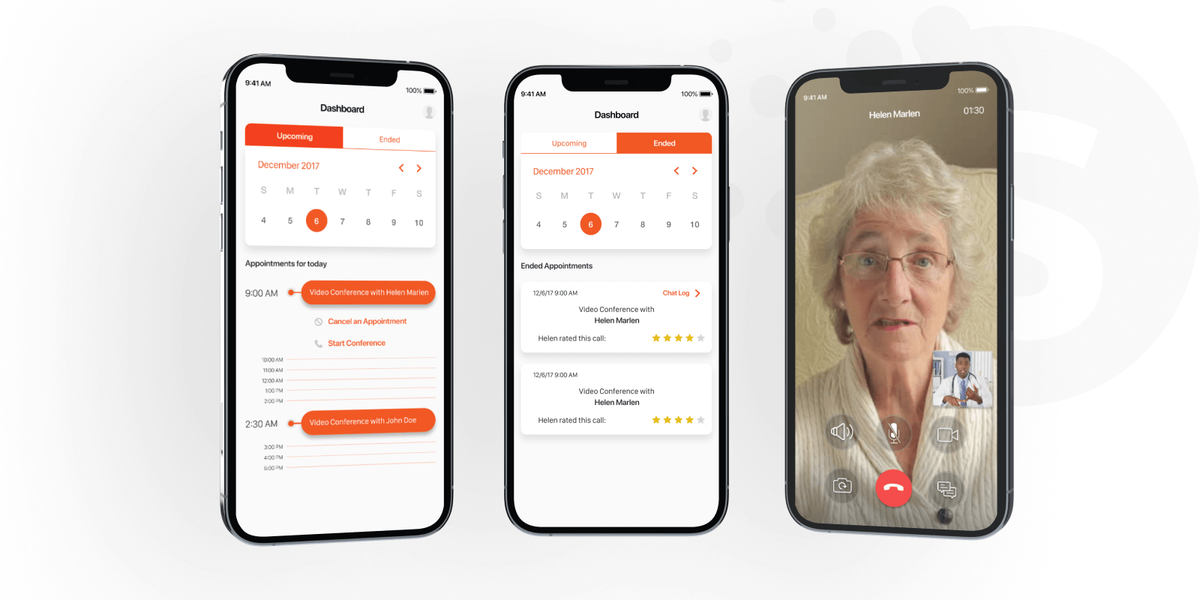
MedRealtime is an online application developed by Softermii that helps to host real-time video consultations, schedule appointments, and send reminders for doctors and patients.
Challenges
The development of the application simplifies appointment booking and consultation payments while making data management effective for physicians. Optimization of hospital workloads. Creative, efficient solutions for patients and doctors.
Solution
Implementing the latest technologies helped create an HD-video conferencing platform for private and secure video consultations, integrated messaging, online & offline appointment booking with real-time synchronization of the doctor calendar, and automated reminders.
Basic features
- Map integration
- Secure video and a messaging room built-in NAT, Firewall, and encrypted protection
- Only PIN-access
- Secure payments gateway
- Synchronization of the platform with other internal office solutions
- Read more here
Softermii's CEO Takeaway
There is no denying we are living in a time of digital transformation and that the healthcare industry is at the forefront of it. Analysis of this industry varies, but the main takeaway is nearly unanimous: telehealth has gone from "future goal" to "mainstream" in less than a year. There is a time in the not-too-distant-future where medicine and telemedicine may be indistinguishable from one another.
And we know this from experience: in the past, we've landed our hand in creating several telemedicine platforms like MedRealTime and a HIPAA-compliant Video app. For a business looking to develop a telemedicine app, what will make or break this project is a partner with expertise who can get them a secure and modern solution fast.
Final Thoughts
The approach to seeking therapy has been altered by the pandemic. Nowadays, individuals are more inclined to utilize mobile apps and online services to connect with their healthcare providers. With the advent of telemedicine, the realm of online communication has been elevated to new heights.
However, it is crucial to collaborate with professionals in creating online telemedicine services. Softermii is among the select few companies that possess the necessary experience in designing video conferencing solutions for eHealth. We are eager to leverage our expertise to develop your project.
So, if you want to know how to develop a telemedicine Teladoc like app, please feel free to contact us at any time to discuss the creation of your telemedicine application. We are committed to elevating your company's telemedicine capabilities to the next level!
Businesses that want to capitalize on current telehealth trends in the healthcare industry need an experienced partner to guide them through the intricacies of such development.
Frequently Asked Questions
How much does it cost to develop a telehealth app?
A telemedicine app with a basic list of features can cost approximately 45 000 - 50 000 while a version of the app with a more comprehensive list of features can cost you $90,000 or more.
How long does it take to build a telemedicine app?
Creating a telemedicine application in the absence of ready-to-use APIs can easily take from 1 to 2 years. But since the components are not always available on the market, a telemedicine application can be created in 3-6 months.
How do telemedicine apps make money?
The most popular way to make money with a telemedicine app is to charge a monthly usage fee. In this case, there are many options, you can offer annual packages, charge once a quarter, and create memberships offering discounts.
How to choose telemedicine application developers?
As with many other applications, developing a telemedicine application requires really experienced professionals. You need to make sure that the developers you trust to create a telemedicine application have already encountered similar solutions and know how to do it faster, better, and with fewer problems. In addition, we recommend paying attention to dedicated teams and looking for them on outsourcing.
Can I hire telemedicine app developers from Softermii?
Sure! Our tech specialists provide various healthcare solutions for physicians, patients, and staff management. You can order end-to-end app development, hire our dedicated team, or extend your in-house staff with our IT experts. Contact us to discuss the options.
What to consider before starting telehealth app development?
To know how to build a telemedicine system, consider the needs of patients and healthcare providers. This includes determining the core and nice-to-have features, as well as ensuring that the app is secure, compliant with regulations, and integrates with existing healthcare systems. Additionally, it's crucial to have a clear understanding of the target market, budget, and timeline for development and launch.
What are the basic inclusions in the MVP of a telemedicine app?
The primary inclusions in the MVP of a telemedicine app include features such as registration, personal profile, video/text communication, scheduling, and payment processing. They allow patients to easily register, communicate with doctors, schedule appointments, and pay for services.
How about to rate this article?
608 ratings • Avg 4.9 / 5 · Thanks for rating!
Written by:

CEO & Co-Founder
Slava Vaniukov is the CEO and Co-Founder of Softermii, with more than 10 years on the front lines of software development. He has spent that decade helping founders and enterprises turn ambitious ideas into products that ship — and that perform. Apps built by his teams have been featured on multiple “Top 10 Best App…