



Want to know more? — Subscribe
Hospital management software development allows healthcare facilities to enhance their operational efficiency and financial management.
Hospital management software development allows healthcare facilities to enhance their operational efficiency and financial management. HMS equips doctors with the necessary tools to navigate the challenges of today's healthcare delivery. It can improve patient outcomes, optimize backend workflows, and ensure regulatory compliance.
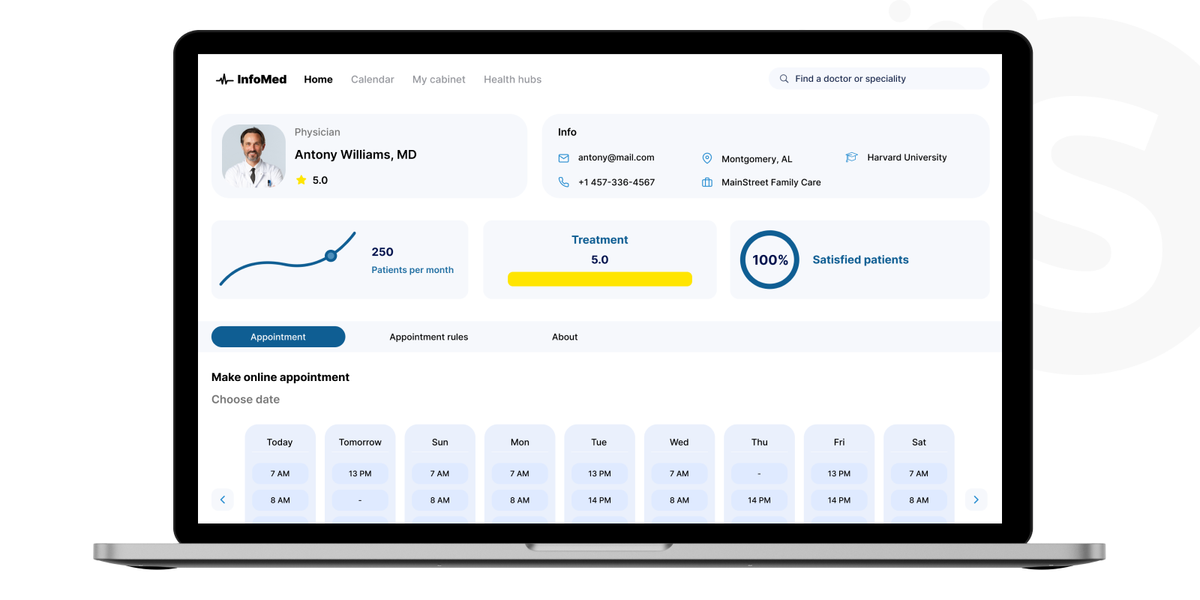
In recent years, Softermii has developed multiple HMSs, meeting the unique needs of different healthcare facilities. MedRealTime, HIPAA Telmed, and InfoMed Telehealth foster a transformative strategy for healthcare institutions. This article provides insights into the key steps and associated expenses of creating an HMS. You'll discover hospital management software's features, benefits, challenges, and development stages.
Want a skimmable version?
Get a quick overview of our article with AI to access all the important information quickly.
Generate AI SummaryHide summary
Want a skimmable version?
Get a quick overview of our article with AI to access all the important information quickly.
Generate AI SummaryHide summaryHow to develop hospital management software (HMS) — the need it fills, the modern features it should have, and its benefits.
Understanding the Need for Hospital Management Systems
In healthcare, scheduling, billing, and patient data management can be complex tasks. Each facet demands precision, as any misstep can have far-reaching implications on patient care.
The growing demand for streamlined healthcareservices is palpable in this dynamic environment. Hospital management systems are more than just a part of healthcare IT trends; they are essential tools in the modern healthcare ecosystem. They serve a dual purpose: enhancing patient outcomes and boosting operational efficiency.
Managing patient data is one of the more difficult parts due to the sheer volume and sensitivity of the information handled. An HMS provides a secure and efficient way to store, retrieve, and update patient records.
It also ensures that patient records are updated in real time, leading to informed clinical decisions. HMS guarantees timely access to accurate information for providers through robust data management. Integrating clinical pathways and treatment protocols can also guide practitioners in delivering evidence-based care. This approach directly influences the quality of patient outcomes.
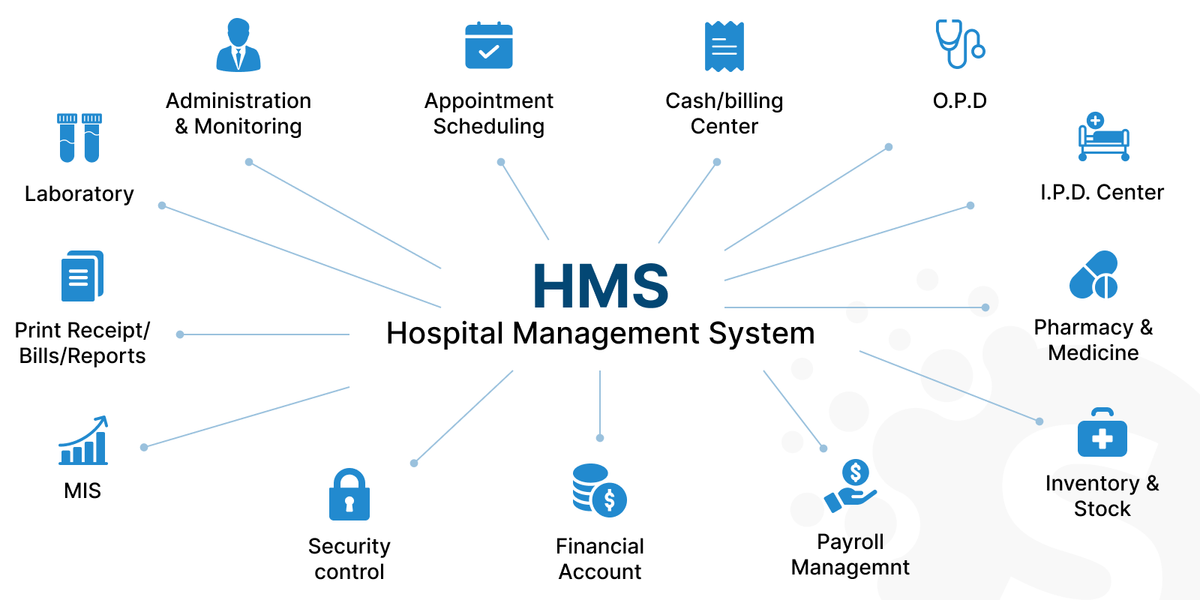
Operational efficiency is another sphere where HMS brings transformative changes. HMS improves hospital efficiency by decreasing administrative tasks, eliminating duplication, and minimizing errors. This effectiveness positively impacts financial performance, patient satisfaction, and the institution's reputation.
Features of a Modern Hospital Management System
Nowadays, building hospital management system is fundamental to the operational efficacy of healthcare institutions. They enable hospitals to streamline their processes and enhance patient care. Here, we explore critical features that modern HMS should encompass to cater to the evolving healthcare landscape.
Automation Modules
Modern HMS implements automation modules to achieve operational excellence. These systems can eradicate manual errors and enhance clinical and administrative efficiency. Automating patient data entry, medication administration records, and report generation allows physicians to concentrate on patient care.
Knowledge Repositories
Access to comprehensive knowledge repositories is essential for informed decision-making in healthcare. This centralized database can store information on diseases, treatments, and hospital protocols. Thus, healthcare professionals can access the latest research, clinical guidelines, and drug information.
Analytical Tools
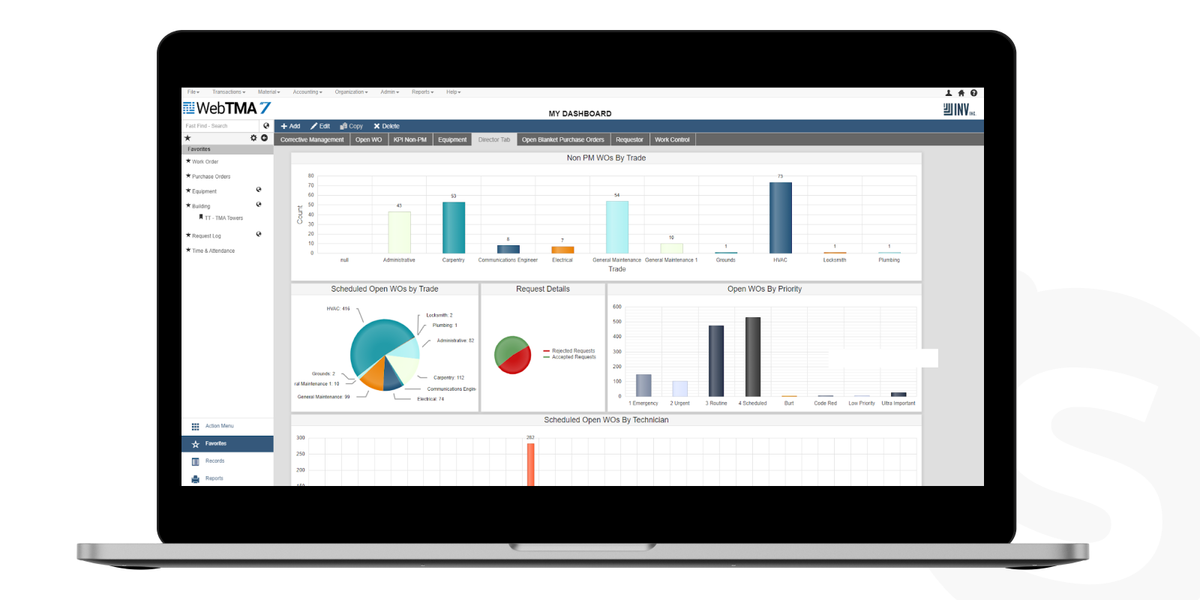
Analytical tools provide critical insights, helping with operations, patient care, and financial performance. They can forecast patient admission rates and identify patterns in diseases. Hospital administrators can make data-driven decisions, improving patient outcomes and optimizing hospital operations.
Integrated Patient Profiles
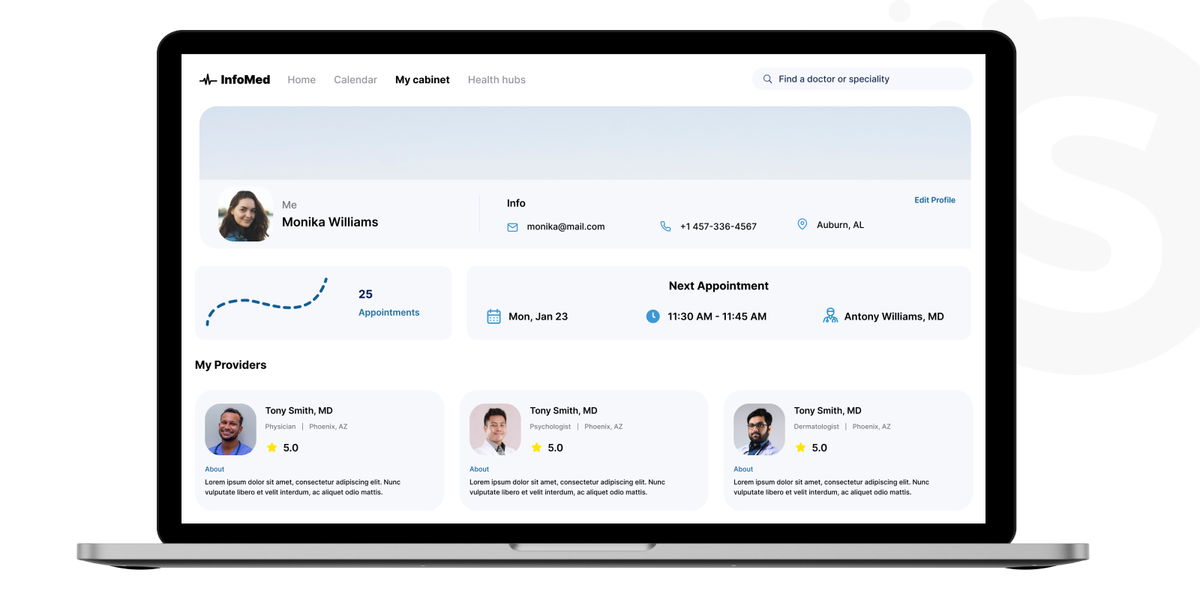
A unified patient profile gathers all their data, allowing for a cohesive patient management approach. Healthcare providers can access medical history, ongoing treatments, laboratory results, and billing details. A complete view of the patient's medical history is essential for coordinated care and consistent treatment.
Efficient Billing Mechanisms
Sophisticated billing mechanisms within HMS streamline the financial transactions of a hospital. They handle complex billing cycles, process insurance claims, and support various payment methods. Also, these mechanisms can reduce administrative costs, minimizing billing and coding errors.
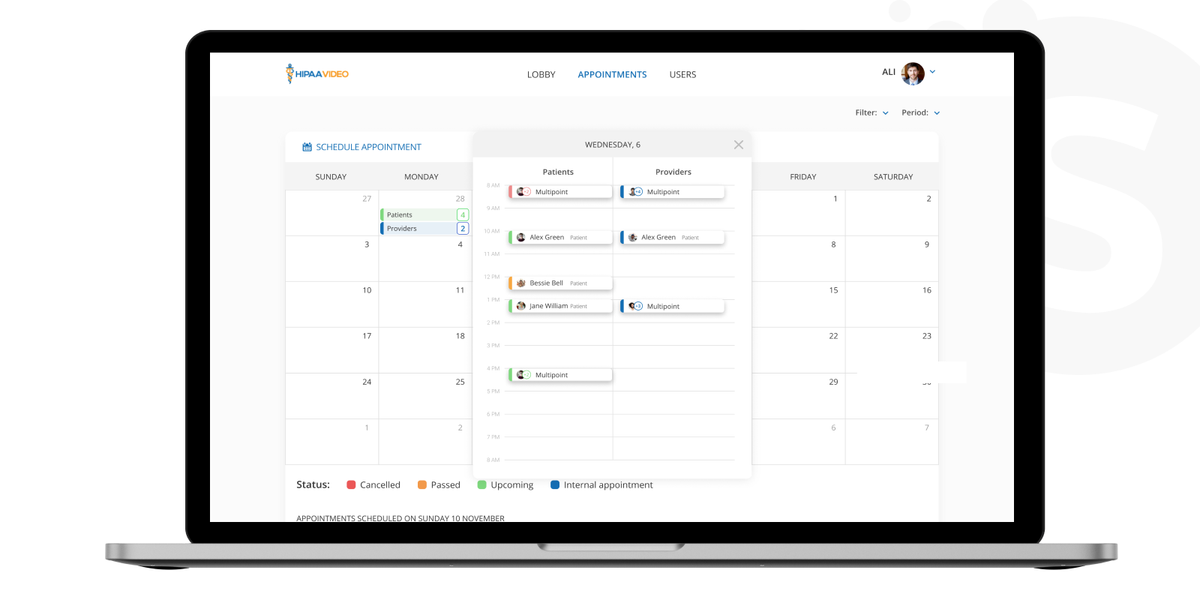
Dynamic Appointment Scheduling
Such a system maximizes resource utilization and reduces patient wait times. It adjusts to patient inflow, prioritizes urgent appointments, and synchronizes with doctors'schedules. This flexibility enhances patient satisfaction and ensures that clinics operate with high efficiency.
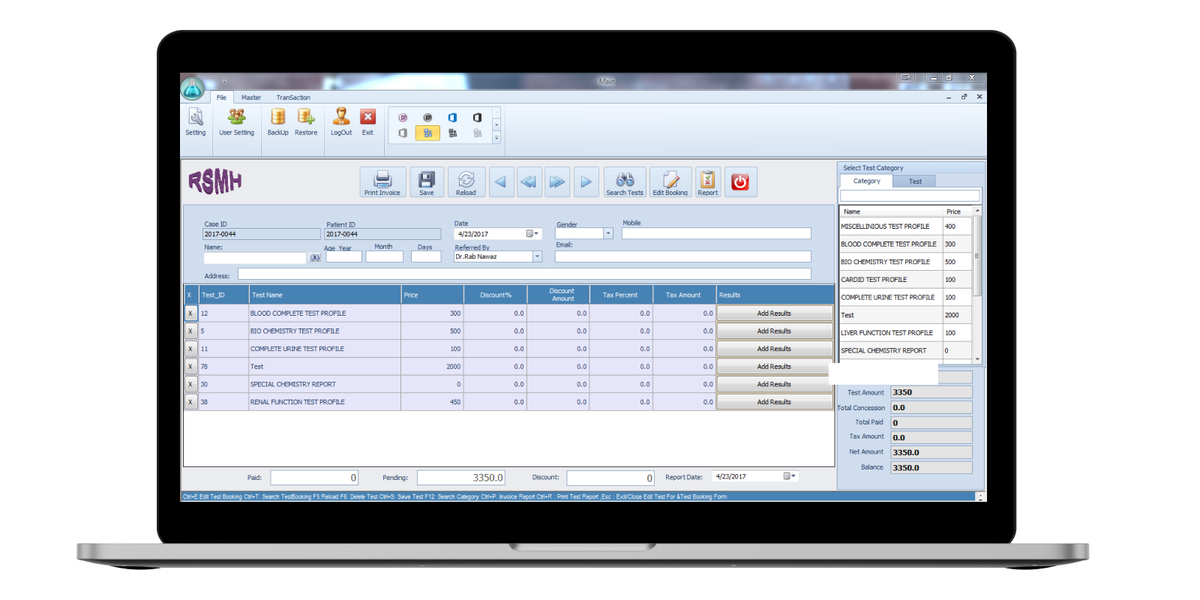
Laboratory Management
Today, HMS tools can manage laboratory workflows, track specimens, and ensure the precise delivery of test results. They maintain high-quality control standards and simplify the communication between the lab and doctors.
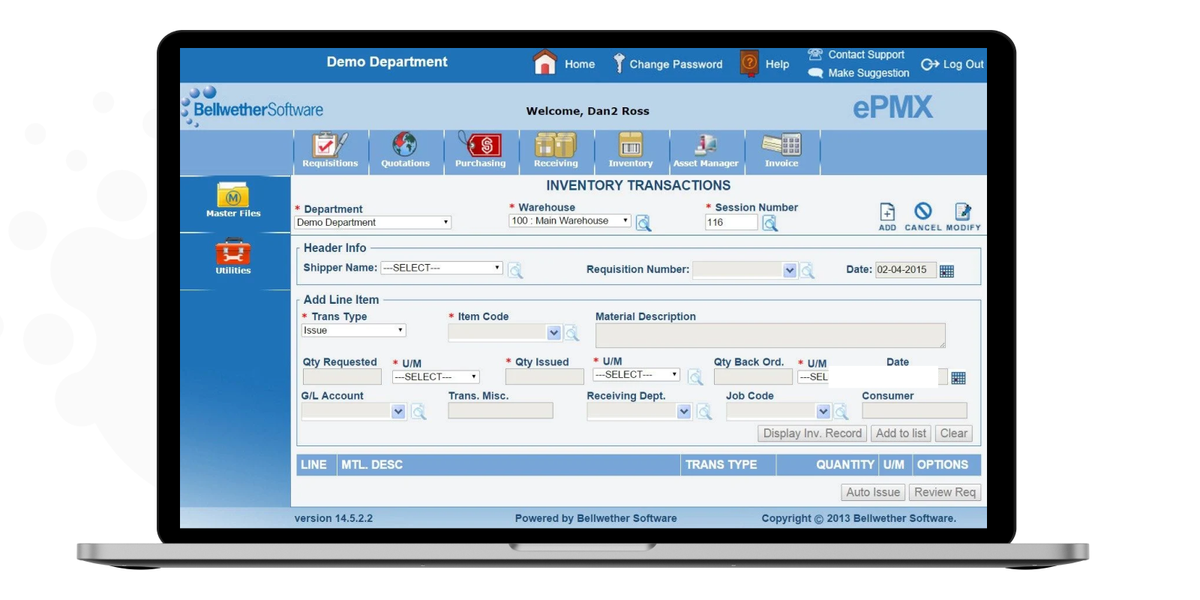
Inventory Oversight
Inventory oversight mechanisms ensure that essential medical supplies and pharmaceuticals are readily available. These systems track usage patterns, predict future needs, and automate reordering processes. Efficient inventory management avoids stockouts and excess, ensuring the balance between cost control and patient care quality.
Comprehensive Financial Tools
It’s important to make a hospital management system with financial tools that assist in budgeting, forecasting, and financial reporting. These tools ensure hospitals can make informed financial decisions, maintain profitability, and invest strategically in patient care services and infrastructure.
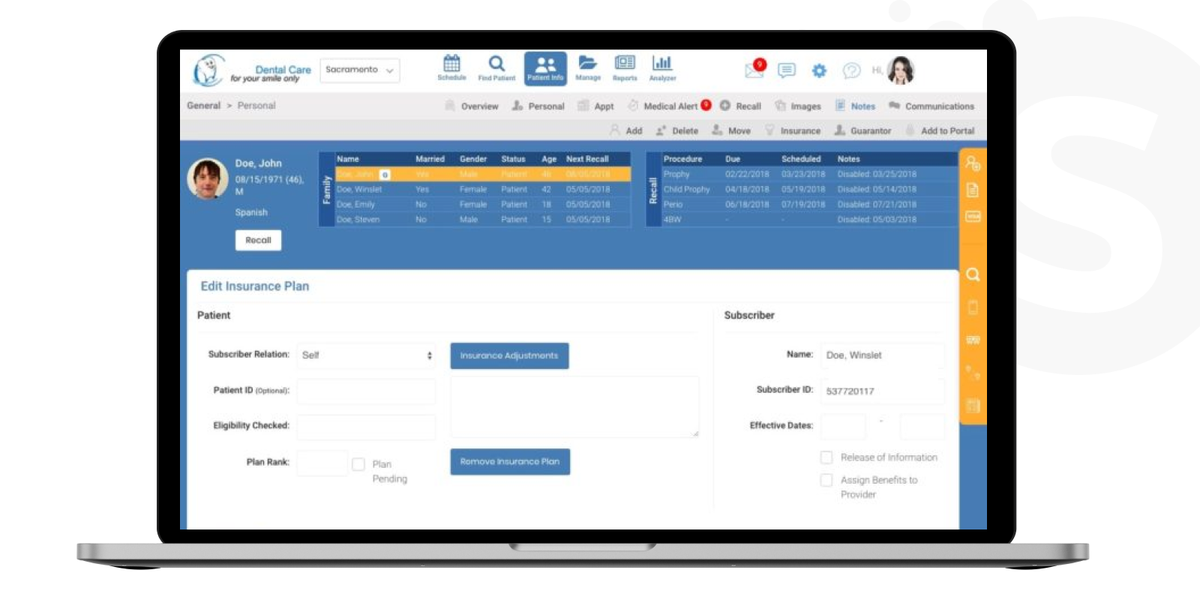
Insurance Integrations
Insurance integrations simplify the interactions between healthcare providers and insurance entities. They automate insurance eligibility verification, coverage details, and claims processing. By doing so, they reduce administrative overhead, prevent delays in care delivery, and enhance patient satisfaction by providing transparent billing solutions.
Treatment Protocols
Standardizing care through evidence-based treatment protocols helps in delivering consistent and high-quality care. This sharing of new guidelines ensures that all doctors are up-to-date with current practices.
Telemedicine
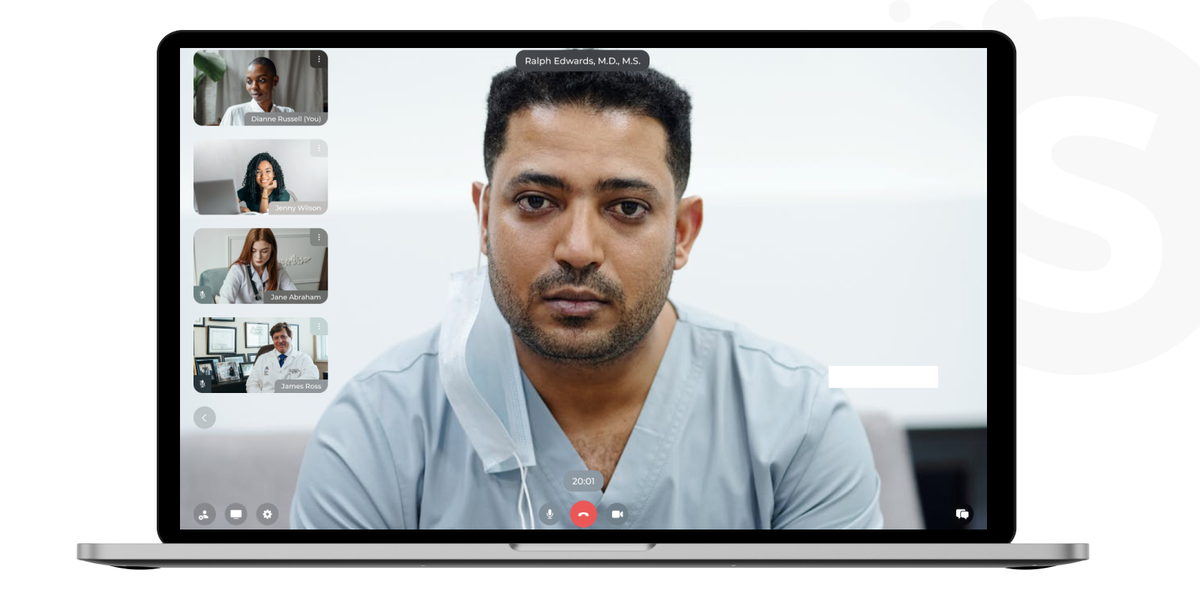
Telemedicine app development with HMS addresses the growing demand for remote care services. They offer virtual consultations to remote locations and enable remote patient monitoring.
The Undeniable Benefits of HMS
Hospital management systems offer numerous benefits for healthcare organizations in service and administration. From patient interactions to operational strategies, here are some of their undeniable advantages:
Enhanced Patient Profiling
A well-designed HMS creates robust patient profiles, leading to better care management. They centralize demographic information, detailed medical histories, and treatment plans. Dynamic profiling allows for continuous updates, reflecting real-time changes in patient status. Thus, providers can easily access and understand patient needs, leading to personalized and timely care.
Operational Efficiency
HMS automates routine tasks, minimizes manual data entry, and streamlines department communication. The outcomes include reduced wait times, lighter administrative workloads, and the elimination of unnecessary steps in patient care delivery.
Financial Management
HMS provides sophisticated tools for managing a healthcare institution's financial health. Hospitals can reduce errors and optimize revenue cycles with automated billing, budgeting, and financial reporting. These features ensure hospitals effectively allocate resources and plan for long-term financial stability.
Improved Patient Experience
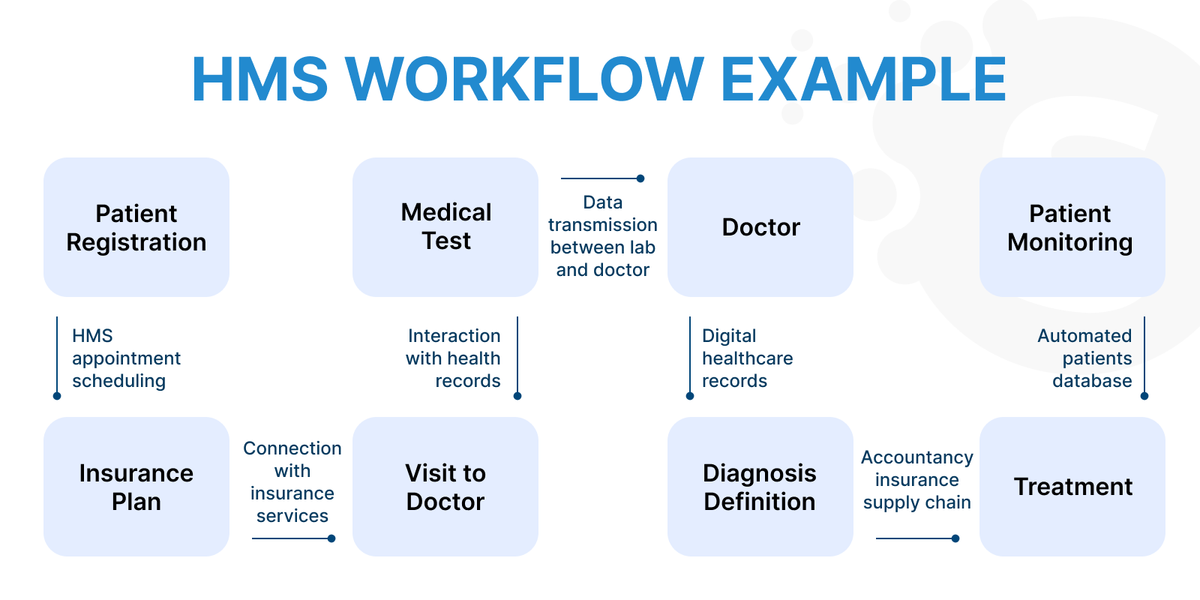
From the moment someone enters the hospital for patient registration to the post-care follow-up, HMS ensures their smooth journey. Patients can spend less time on administrative processes and more on actual care. This integration ensures they feel attended to, valued, and understood. It can also lead to more efficient patient-physician interactions and higher satisfaction rates. HMS with patient portal development directly impacts the patient experience by providing platforms for feedback and engagement.
Streamlined Communication
HMS enables seamless interactions among different departments. Thus, all relevant parties can be kept in the loop regarding patient care and hospital operations. Reducing the risks associated with miscommunication leads to better patient care coordination.
Decision Support
The advanced analytics integrated into HMS provide valuable insights that aid in decision-making. Healthcare administrators can track performance metrics and make decisions that align with the hospital's strategic goals.
Centralized Control and Management
HMS offers a centralized platform for managing all hospital operations, providing a single control point. Administrators can effectively manage multiple departments and services. This approach leads to better coordination and reduced administrative overhead.
Environmental Sustainability
The move from paper-based records to electronic systems has a considerable environmental impact. By reducing the need for paper, HMS contributes to a decrease in the hospital's carbon footprint, promoting eco-friendly care.
Disaster Recovery
HMS often includes robust backup and disaster recovery features. They ensure that the hospital can keep running with minimal disruptions in case of an unexpected catastrophe.
Steps to Develop Hospital Management Software
The process of building hospital management software requires careful planning and execution. Here are the key stages involved in creating a robust and effective HMS:
Requirement Analysis
The initial phase is to conduct a comprehensive requirement analysis. You need to understand the needs of hospital administrators, healthcare providers, and patients. It's crucial to identify the challenges faced by current systems and outline the objectives that the HMS must meet. This step ensures that the final product is tailored to the specific environment in which it will operate.
Choose among 120 software specialists
Hire an offshore dedicated team or a few team members for your project. We guarantee 10% of deviation in deadlines and cost.
Hire a teamChoosing the Right Technology Stack
The performance and scalability of the HMS directly depend on the choice of the tech stack. Consider software requirements, security concerns, and the anticipated scale of the application.
Designing the Architecture
When designing the architecture of the HMS, ensure that the system is reliable and scalable. This architecture must support the integration with hospital systems while allowing for modularity. It allows individual components to be updated or replaced without disrupting the entire system. The design must ensure data integrity and confidentiality and be resilient to various weak points.
Integrating Essential Features
Next, developers will integrate patient management, appointment scheduling, billing, and EHR features. For the effectiveness of the HMS, they must remain user-friendly and facilitate a seamless flow of information.
Testing and Deployment
Before deployment, the HMS must undergo rigorous testing to ensure functionality and security. This phase includes automated and manual testing strategies to identify any issues. After that, the system can be deployed within the hospital's IT ecosystem, often with a phased approach to manage the transition.
Ongoing Maintenance and Updates
The launch of an HMS is not the end of the development process. Continuous maintenance and regular updates can address emerging needs, incorporate feedback, and protect against security threats. This commitment to ongoing improvement ensures the longevity and relevance of the HMS.
Technical Documentation and User Guide
Creating comprehensive technical documentation is essential for future developers and maintenance teams. It provides detailed insight into the system's architecture, codebase, and features. The user guide features a comprehensive overview of the system, offers solutions to common issues, and describes the functionalities of the HMS.
Development Challenges and Ways to Overcome Them
Developing an HMS can be fraught with challenges that may impede its effectiveness and adoption. Here are some of the common obstacles and strategies to navigate through them:
Integration with Existing Systems
HMS must integrate with existing systems, ranging from outdated programs to cutting-edge technologies. Ensuring its compatibility can be complex due to differing formats and standards.
It's important to use middleware and data integration tools to create interoperable layers. Developers must understand the interfaces and data formats of existing systems. Establishing a robust API strategy can also help with seamless data exchange.
9%
The hospital management software market value is expected to grow at a CAGR of 9% during the forecast period of 2024-2032
Compliance with Health Regulations
HMS must adhere to strict health regulations like HIPAA in the USA. They can complicate the development process, especially as these regulations vary across regions.
Engaging with legal experts in the healthcare domain early in the hospital management system development process is critical. Regular compliance audits can also help maintain standards as regulations evolve.
Training and Adaptation
The success of HMS also depends on its adoption by the hospital staff. Resistance to change and varying levels of technical literacy can impede the smooth transition to a new system.
Develop a training program that caters to different user groups within a hospital. You can provide clinical staff with hands-on sessions, video tutorials, and reference materials. Including stakeholders in the development process can ensure it meets actual workflow needs. A phased rollout of the HMS can allow users to adapt to the system gradually.
Security Concerns
Data breaches can have severe consequences in the healthcare industry. Ensuring the security of patientdata within HMS against cyber threats is a non-negotiable challenge.
Implement robust security measures, including encryption, access controls, and regular security audits. Involving cybersecurity professionals and adopting a 'security by design' approach can mitigate risks.
Customization and Scalability
Each hospital has unique needs and may require specific customizations. Additionally, the system must be scalable to accommodate growth and future needs.
Cloud services and flexible system architecture allow for easy customization and scalability. Performance testing helps to ensure HMS can handle increased loads without compromising speed or functionality.
Data Migration
Migrating data from old systems to a new HMS can be risky, with potential data loss or corruption.
It's crucial to have a carefully planned and executed data migration strategy. Consider creating data backups, cleansing data for inconsistencies, and employing tools specializing in data migration.
System Downtime and Backup
System downtime may disrupt hospital operations, and data loss may have critical consequences.
Implement robust backup and disaster recovery protocols. Plan for regular system maintenance during off-peak hours to reduce disruptions.
Interoperability
Ensuring data exchange between the HMS and other health systems is essential for high-quality care.
Adherence to HL7 or FHIR standards allows for interoperability between disparate health systems.
Cost of Developing a Hospital Management System
When budgeting for an HMS, it's crucial to consider the diverse elements that contribute to the total cost. Understanding these factors sets realistic expectations for the healthcare software development project.
System Features and Customization
The features' complexity and depth are among the most significant cost determinants. AI-driven analytics, telemedicine, and custom modules for patient engagement will drive up costs. The level of customization directly affects the cost, as more personalized systems require a higher budget.
$379.05 billion
It is anticipated that by 2024, the worldwide market for health technology will attain a value of $379.05 billion
Software Development Region
Regions with a lower cost of living may offer more competitive rates for development work. Meanwhile, teams in high-cost areas will charge more for the same services. This variation in labor costs can result in significant differences in project investments.
Integration with Existing Systems
The extent to which the HMS needs to integrate with existing systems can lead to extra costs. Connection with electronic health records, accounting software, or other operational tools requires meticulous planning and execution. The complexity of these systems can increase the technical resources needed, thus affecting the cost.
Training and Implementation
Effective training and smooth implementation are essential for the adoption of HMS. Factor in extra costs for training materials, instructional design, and potentially hiring consultants. Remember that the more intuitive the system, the less training will be necessary, reducing associated costs.
Compliance and Security
Your HMS must meet all regulatory compliance standards and security protocols. This aspect is essential for protecting patientdata and avoiding legal issues but may require expert consultants and rigorous testing.
Ongoing Maintenance and Updates
The initial development cost is just part of the financial picture. Ongoing maintenance, updates, and support are recurrent expenses that must be accounted for.
Scalability
If the HMS is expected to scale up for future expansions, initial development must account for this scalability. Investing in scalability can be more cost-effective in the long term, as it avoids the need for complete system overhauls.
Softermii Experience in the Development of Hospital Management Software
With nearly a decade of experience in software development, Softermii prioritizes innovation, user experience, and compliance. Our portfolio includes multiple projects related to hospital management software development. The adoption of AI and machine learning ensures that our systems remain innovative and future-proof.
The intelligent design of our solutions allows for their quick adoption and increased efficiency. We also ensure patientdata safety and help our clients to comply with HIPAA regulations. Our expertise in cloud services and data analytics enables us to build hospital management software that enhances care.
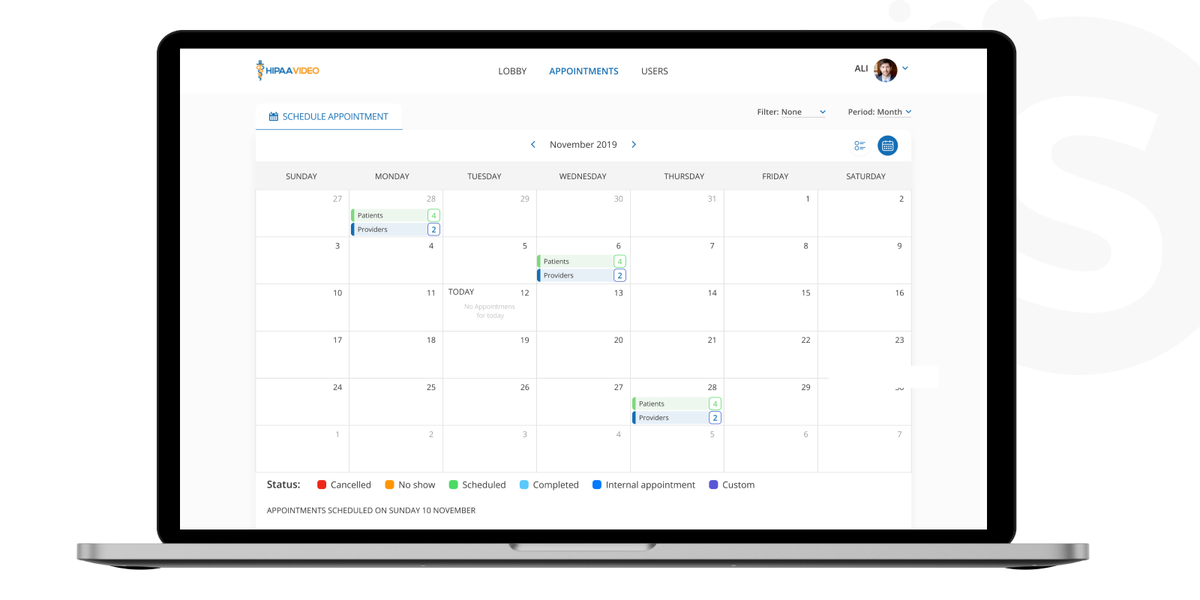
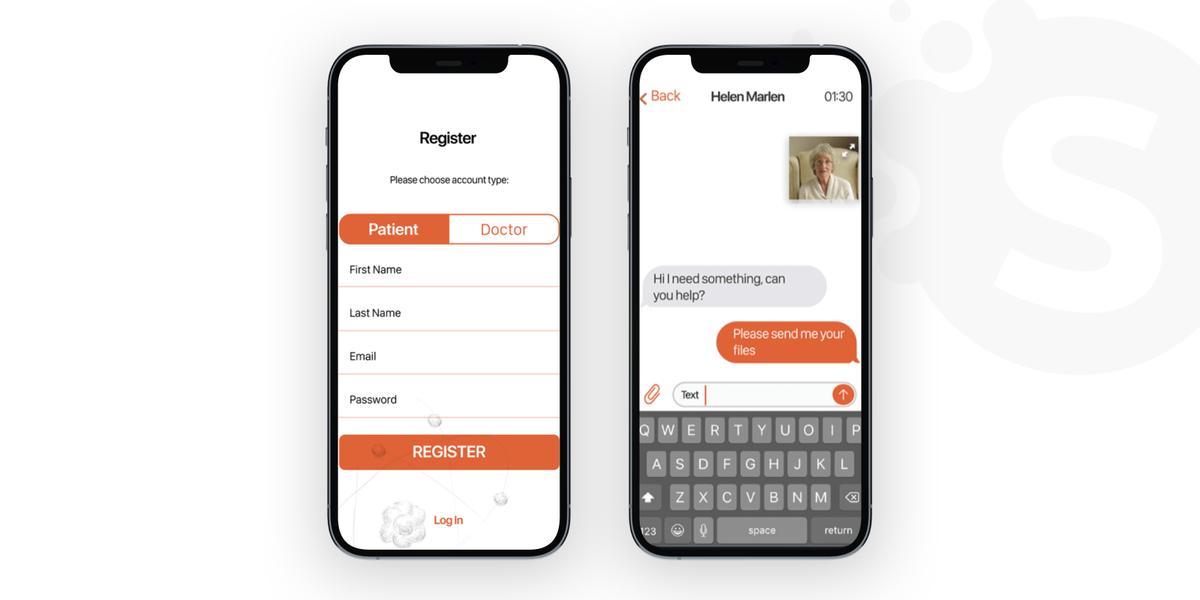
HIPAA Telmed is an application that offers a range of healthcare management features. It facilitates secure video consultations, streamlines appointment management, and integrates with electronic health records. Patients can schedule appointments online, reducing the administrative burden on medical facilities. The application also supports data security, making it compliant with healthcare regulations.
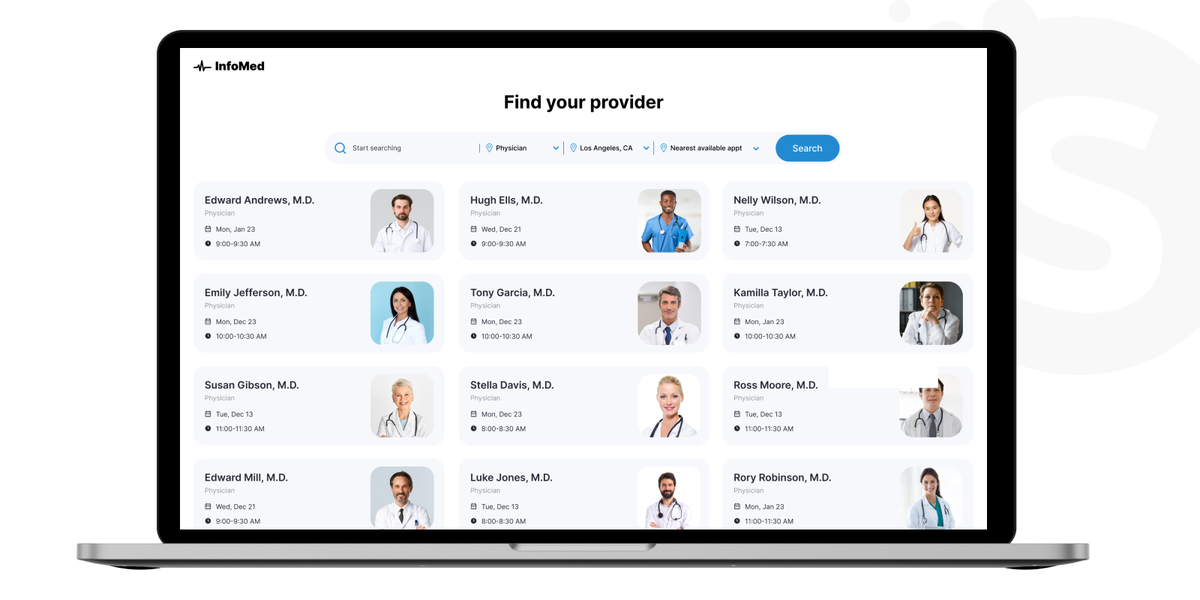
InfoMed Telehealth provides telemedicine services with advanced search capabilities for healthcare providers. It offers robust search capabilities for healthcare providers and complies with HIPAA and GDPR. Healthcare facilities can access and protect patientdata and easily locate suitable providers. This comprehensive functionality makes InfoMed Telehealth a valuable tool for optimizing healthcare operations.
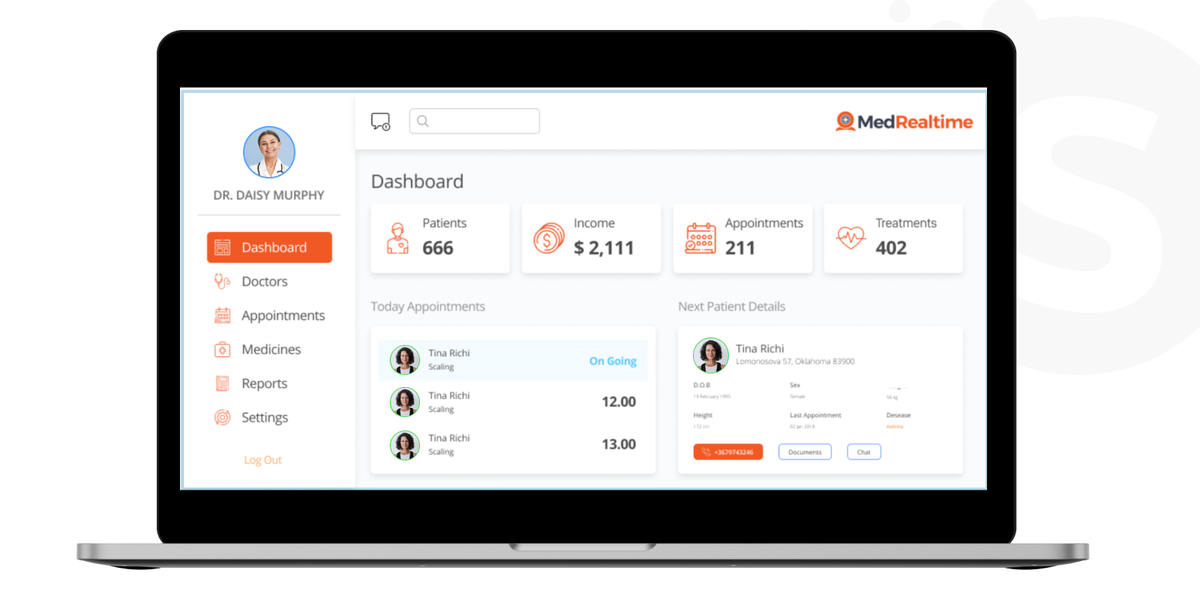
MedRealTime is a dedicated platform for enhancing hospital management. It simplifies appointment scheduling and integrates with medical records systems. This application securely handles medical data, improving the efficiency of hospital processes.
Conclusion
Hospital management software development is essential for ensuring seamless patient care and operational efficiency. These systems can streamline processes, minimize errors, and foster a more patient-centric approach. Today, investing in custom software tailored to certain facility requirements is no longer an option but a necessity. They combine scheduling, billing, and clinical data functions into a unified system.
With Softermii, clinics can be certain they have access to the most advanced HMS solutions. These scalable and secure systems also adhere to all required healthcare regulations. Ready to invest in a hospital management system development that aligns with their mission? Contact us and pave the way for a future where technology and healthcare work together to deliver the best possible outcomes for every patient.
Hospital management software development enhances operational efficiency and financial management of the healthcare facilities
Frequently Asked Questions
Which software process model is best for a hospital management system?
The selection of a software process model for a hospital management system (HMS) depends on various factors, for example:
Agile can be suitable for building hospital management software due to its flexibility and iterative approach. But, for clinics with clear requirements and strict regulations, the V-Model can be a better choice to ensure thorough documentation and compliance.
How does hospital management software work?
HMS streamlines the everyday administrative and clinical operations of a healthcare facility. It functions as an integrated system that manages the following aspects:
The software facilitates information flow between different departments. It also provides a centralized database for easy access to critical information.
How long does it typically take to create a hospital management software?
This timeline depends on the system's complexity, customization level, and hospital size. A smaller HMS with fewer customizations can be deployed within several months. Meanwhile, a large, complex system with extensive integrations could take over a year to fully implement. It's also important to factor in time for staff training and data migration.
What is the role of mobile devices in hospital management software?
Mobile devices offer greater flexibility and efficiency for healthcare professionals. Practitioners can access patient information, schedule appointments, receive alerts, and communicate with colleagues on the go. They enhance the responsiveness of care teams and contribute to better patient management.
How does hospital management software handle >patient privacy?
Hospitals must adhere to various regulations, such as HIPAA in the US, which mandate the protection of patientdata. HMS software incorporates user authentication, role-based access control, data encryption, and audit trails. These security protocols ensure that patientdata is only accessible by authorized personnel.
How about to rate this article?
0 ratings • Avg 0 / 5 · Thanks for rating!
Written by:

CEO & Co-Founder
Slava Vaniukov is the CEO and Co-Founder of Softermii, with more than 10 years on the front lines of software development. He has spent that decade helping founders and enterprises turn ambitious ideas into products that ship — and that perform. Apps built by his teams have been featured on multiple “Top 10 Best App…